The possible role of Butyricicoccus bacteria is various conditions

IBS is co-morbid (70-85%) with Chronic Fatigue Syndrome and often become other forms of inflammatory bowel disease (IBD) over time.

“Patients with inflammatory bowel disease have lower numbers of Butyricicoccus bacteria in their stools. Administration of B pullicaecorum attenuates TNBS-induced colitis in rats and supernatant of B pullicaecorum cultures strengthens the epithelial barrier function by increasing the TER.” [2013]

This species of bacteria is named because it produces butyric acid.  This acid is significant:

“Several recent studies have identified butyric acid as a potential therapeutic agent for IBD. Some gut bacteria produce butyric acid naturally in the intestines, but in IBD patients some of these strains are heavily depleted. Trials in mice have shown that injecting one such strain Faecalibacterium prausnitzii into the digestive tract is effective at restoring normal levels of gut bacteria and treating the symptoms of IBD. In addition, novel identified butyrate-producing strains, such as Butyricicoccus pullicaecorum, have been shown to exert similar effects.” [2010]

This leads logically into two directions:

  • Bacteria that produces butyric acid
  • Supplementing with butyric acid

Bacteria producing butyric acid

The species cited above is just one bacteria (which does not appear to be available as a commercial product at the moment). There appear to be a group working on producing Butyricicoccus pullicaecorum as a probiotic according to this presentation and a related patent application assigned to the University of Gent, Belgium (any Belgium readers may wish to make some phone calls… )

The known species producing butyric acid are:

  • Faecalibacterium prausnitzii ( low in IBD [2014], [2014]
    • ” this bacterium is highly oxygen-senstive, making it notoriously difficult to cultivate and preserve”[2014]
    • cysteine can facilitate the survival of F. prausnitzii upon exposure to air,” – unknown if cysteine supplements would help it grow.
  • Butyricicoccus pullicaecorum
  • Roseburia hominis [2013], first identified in [2006]

  • Clostridium butyricum [2000] [1990] [1990] – is easily available in Japan. An application to sell it in the UK was made in 2012. It is available OTC in Japan (so if you have friend going there — tell them what you want to have brought back!). None of the online shops that I could find will ship to the US (Amazon.co.jp lists it – but will not ship it).
    • Summary of studies here.

Butyric Acid Supplements

This is available as a supplement (GABA), for example on Amazon. There are many articles proposing it for treatment of FM, CFS, etc. for example, this article. Another form, sodium butyrate,  is also available as a supplement and a 2011 study found

“In conclusion, our results show that oral administration of sodium butyrate improves mucosa lesion and attenuates the inflammatory profile of intestinal mucosa, local draining lymph nodes and Peyer’s patches of DSS-induced UC. Our results also highlight the potential use of butyrate supplements as adjuvant in UC treatment.”

A new probiotic: Advanced Orthomolecular Research AOR, Advanced Series, Probiotic-3,

A friend sent me this link and it meets my basic criteria of containing no lactobacillus species.

This is available on Amazon and elsewhere. What is in it and what do we know about the species? Unfortunately, the strains names appears to be marketing names (too common).

It appears to be based on probiotics developed and sold in Japan. One of the characteristics is the suppression of evil E.Coli (good news for Crohn’s suffers) and promotes the growth of Bifidobacterium (good news for CFS folks too).

The bad news is that it contains lactose — which some people cannot tolerate.

Streptococcus faecalis 

The use of perioperative probiotics reduced postoperative infectious complications after pancreaticoduodenectomy, making it a promising potential adjunct therapy for patients undergoing high-risk hepato, biliary, and pancreatic surgery. [2007]

Note: this is also available in Threelac.


Clostridium butyricum

“These results suggest that calves given a probiotic had stable ruminal pH levels (6.6-6.8), presumably due to the effects of the probiotic on stabilizing rumen-predominant bacteria, which consume greater lactate in the rumen.” [2014]

“dietary supplementation of CB promotes growth performance, improves immune function, and benefits the cecal microflora in Escherichia coli K88-challenged chickens.” [2014]

“Probiotic therapy restored intestinal flora involved in 7 alpha-dehydroxylation in the dUC group, but not in the pUC group.“[two different subpopulations of ulcerative colitis] [2012]

the probiotic bacterium C. butyricum MIYAIRI strain 588 has preventive and therapeutic effects on EHEC O157:H7 infection in gnotobiotic mice. [2004]

Clostridium butyricum MIYAIRI is effective for both the treatment and the prophylaxis of AAD in children, as it normalizes the intestinal flora disturbed by antibiotics.[2003]

These results suggested that the inhibition of Shigella in the mixed culture with C. butyricum was not due to a single factor such as pH or fatty acid etc. but due to multifactors including live cells of C. butyricum. [1990]

The use of perioperative probiotics [TO-A] reduced postoperative infectious complications after pancreaticoduodenectomy, making it a promising potential adjunct therapy for patients undergoing high-risk hepato, biliary, and pancreatic surgery. [2007]

 “This study suggested that butyrate produced by C. butyricum TO-A downregulates TLR4 mRNA level in human colonic epithelial cells.” [2007]

. Stimulation of bacterial growth of some strains of Bifidobacterium by a crude preparation of metabolites from Bacillus mesentericus TO-A

– Biomedical Letters; 48, 73-78, 1993

Bacillus mesentericus TO-A

The use of perioperative probiotics [TO-A] reduced postoperative infectious complications after pancreaticoduodenectomy, making it a promising potential adjunct therapy for patients undergoing high-risk hepato, biliary, and pancreatic surgery. [2007]

was identified as 3,3-dihydroxyazetidine, and it promoted the growth of several strains of Bifidobacterium. [2000]

“Money is the Root of all Evil (Microbiome)”

Often people wonder how they acquired the bad bacteria that is the cause of many symptoms. The answer is the environment — and one very likely source is money!

From: http://www.the-scientist.com//?articles.view/articleNo/39805/title/Money-Microbiome/

The Scientist » The Nutshell Money MicrobiomeSwabbing cash circulating in New York City reveals more than 3,000 different types of bacteria.By Jef Akst | April 24, 2014

FLICKR, IMAGES MONEYAnalyzing the genetic material on 80 $1 bills sampled from a Manhattan bank, researchers from New York University (NYU) have discovered a diverse array of microbes, most of which are relatively harmless to humans, but a few that may leave you washing your hands after every cash transaction. It total, they found more than 3,000 bacterial types, including some drug-resistant species, and known microbes accounted for just 20 percent of the non-human DNA the researchers isolated; the rest belongs to as-yet unidentified species.

“The idea is [that] traces of DNA which are left on the money can tell us about the state of health of New Yorkers,” project leader Jane Carlton of NYU’s Center for Genomics and Systems Biology told The Scientist late last year, as the work was still underway.

While the numbers may seem startling, the presence of microbes on money should not come as a surprise, said Philippe Etienne, managing director of Innovia Security Pty Ltd., which makes bank-note paper. “A body-temperature wallet is a Petri dish,” he told The Wall Street Journal.

The most abundant species the researchers identified were those that cause acne, followed by benign skin flora. More alarming discoveries included pathogenic Staphylococcus species as well as bacteria associated with gastric ulcers, pneumonia, and food poisoning. The researchers also found DNA from antibiotic-resistance genes, such as those carried by the deadly methicillin-resistant Staphylococcus aureus (MRSA).

The researchers even found evidence of anthrax, although Carlton notes this shouldn’t necessarily be cause for concern. “Anthrax is a very common bacteria in soil,” she told NPR’s Shots. “People who work with soil, like farmers, are often exposed to it.”

Nevertheless, the microbial diversity identified highlights the likelihood that cash—one of the most common items to be distributed internationally—could spread disease around the world. A 2010 study that investigated currencies from 10 different countries, including Australia, China, the U.K., Ireland, Mexico, and the U.S., found similarly dirty money, and the authors recommended “that current guidelines as they apply in most countries with regard to the concurrent hygienic handling of foods and money should be universally adopted.”

It is relatively easy to install UV sterilizers in cash draws…

Some new articles of general interest

“Commensal bacterial communities residing within the intestinal lumen of mammals have evolved to flourish in this microenvironment. To preserve this niche, commensal bacteria act with the host to prevent colonization by invasive pathogens that induce inflammation and disrupt the intestinal niche commensal bacteria occupy. Thus, it is mutually beneficial to the host and commensal bacteria to inhibit a pathogen’s ability to establish an infection. Commensal bacteria express factors that support colonization, maximize nutrient uptake, and produce metabolites that confer a survival advantage over pathogens. Further, commensal bacteria stimulate the host’s immune defenses and drive tonic expression of anti-microbial factors. In combination, these mechanisms preserve the niche for commensal bacteria and assist the host in preventing infection.” Commensal bacteria mediated defenses against pathogens

“Research over the past decade has demonstrated a surprising role for the gut microbiome in normal brain development and function. In this review we postulate that perturbations in the gut microbial-derived nutrient supply, driven by environmental variation, profoundly impacts upon normal brain development and function.”[2014]

“Increasing evidence suggests that perturbations in the intestinal microbiota composition of infants are implicated in the pathogenesis of food allergy (FA), while the actual structure and composition of the intestinal microbiota in human beings with FA remain unclear. “[2014]

“The way in which our gut bacteria interact with each other may have vital implications for the risk of developing type 1 diabetes, according to new research.”[2014]

“Pooperoni? Spanish researchers produce low sodium and fat probiotic stool sausage. A fermented sausage product that is made with probiotic lactobacilli bacteria isolated from infant faeces could transform the meat product in to a health food, according to new research.” [2014]

“Bacteriocins, which are antimicrobial peptides produced by certain bacteria, might warrant serious consideration as alternatives to traditional antibiotics. These molecules exhibit significant potency against other bacteria (including antibiotic-resistant strains), are stable and can have narrow or broad activity spectra. Bacteriocins can even be produced in situ in the gut by probiotic bacteria to combat intestinal infections. Although the application of specific bacteriocins might be curtailed by the development of resistance, an understanding of the mechanisms by which such resistance could emerge will enable researchers to develop strategies to minimize this potential problem” [2014]

“”Contrary to this view, recent findings suggest that IBS is linked to clearly detectable gut microbiota alterations. Additionally, bloating can be related to specific kinds of diet, thus opening up promising paths towards an efficient disease management,” says Professor Giovanni Barbara (University of Bologna, Italy). ..there is a lot of evidence showing that IBS is associated with an imbalanced composition of the gut microbiota. This means that the system of checks and balances between beneficial and potentially harmful bacteria, which characterizes a healthy gut microbiota, is disturbed in IBS patients… those IBS patients who have several clear-cut gut symptoms have also more profound changes in their gut microbiota, as compared to other patients whose bowel physiology is less disturbed, but instead combined with mood disorders. “[2014]

“Bacteria alter the gut permeability by tight junction disassembling and/or actin contraction”[2014] i.e. Leaky Gut may be caused by bacteria.

” Industry must do more to understand the inter-species interactions of multi-strain probiotic products rather than assuming that ‘more is better’, warns Professor Gregor Reid.” [2014]

“We all rely on trillions of bacteria in our gut to break down certain components of our diet. One example is phytate, the form phosphorus takes in cereals and vegetables. Broken down phytate is a source of vital nutrients, but in its undigested form it has detrimental properties. It binds to important minerals preventing them being taken up by the body, causing conditions like anemia, especially in developing countries. Phytate also leads to excess phosphorus leaching into the soil from farm animal waste, and feed supplements are used to minimize this.” [2014]

“Modifications to the microbiota could lead to changes in health and lifespan that are associated with aging” [2014]

” Here we show that the short-term consumption of diets composed entirely of animal or plant products alters microbial community structure and overwhelms inter-individual differences in microbial gene expression. The animal-based diet increased the abundance of bile-tolerant microorganisms (Alistipes, Bilophila and Bacteroides) and decreased the levels of Firmicutes that metabolize dietary plant polysaccharides (Roseburia, Eubacterium rectale and Ruminococcus bromii). Microbial activity mirrored differences between herbivorous and carnivorous mammals, reflecting trade-offs between carbohydrate and protein fermentation” [2014]

“Streptococcus salivarius is one of the first colonizers of the human oral cavity and gut after birth and therefore may contribute to the establishment of immune homeostasis and regulation of host inflammatory responses. The anti-inflammatory potential of S. salivarius was first evaluated in vitro on human intestinal epithelial cells and human peripheral blood mononuclear cells. We show that live S. salivarius strains inhibited in vitro the activation of the NF-κB pathway on intestinal epithelial cells. We also demonstrate that the live S. salivarius JIM8772 strain significantly inhibited inflammation in severe and moderate colitis mouse models. ” [2014] – this is available as an oral probiotics.

” Using a mouse model, US researchers have linked neurodevelopmental symptoms similar to those seen in autism spectrum disorder (ASD) patients to changes seen in the bacteria in the animals’ guts.ASD is diagnosed when individuals exhibit characteristic behaviours that include repetitive actions, decreased social interactions, and impaired communication. Many individuals with ASD also suffer from gastrointestinal (GI) issues, such as abdominal cramps and constipation”[2014]

“It’s a landmark study,” Rob Knight, a microbial ecologist at the University of Colorado, Boulder, who was not involved with the work, told ScienceNOW. “It changes our view of how rapidly the microbiome can change.”
In 2009, Turnbaugh’s team had shown a similar effect in mice: a change in diet could affect the murine gut microbiome in a single day, in fact. To see if the results would hold up in people, Turnbaugh, along with Lawrence David from Duke University and their colleagues, fed five volunteers a high-protein diet, with meals of bacon and eggs for breakfast, spareribs and brisket for lunch, and salami and cheese for dinner. This group could also snack on pork rinds and string cheese. The high-fiber group, on the other hand, got fruits, vegetables, grains, and beans. Before, during, and after the diet change, the team collected stool samples from each participant to assess the bacterial composition of their guts, as well as the gene expression activity of those microbes.

Before the week was up, the researchers found noticeable differences in the gut bacteria of the two treatment groups. The meat-eaters harbored more bacteria that are able to tolerate high levels of bile acids, which are secreted by the body to help digest meat. The bacteria isolated from this group also appeared to increase expression of genes involved in breaking down proteins. Plant-eaters, on the other hand, had fewer bile-resisting bacteria and higher expression levels of gene associated with carbohydrate digestion”[2013]

” In humans, having a severe viral infection raises the risk that a
pregnant woman will give birth to a child with autism. Patterson and his lab
reproduced the effect in mice using a viral mimic that triggers an
infection-like immune response in the mother and produces the core
behavioral symptoms associated with autism in the offspring…. the researchers treated the mice with Bacteroides fragilis, a bacterium that has been used as an experimental probiotic therapy in animal models of GI disorders. The result? The leaky gut was corrected.

In addition, observations of the treated mice showed that their behavior had
changed. In particular, they were more likely to communicate with other
mice, had reduced anxiety, and were less likely to engage in a repetitive
digging behavior. “The B. fragilis treatment alleviates GI problems in the mouse model and also improves some of the main behavioral symptoms,” Hsiao says. “This suggests that GI problems could contribute to particular symptoms in
neurodevelopmental disorders.”” [2013]

My favorite probiotic: E.Coli Nissle 1917 (Mutaflor)

In NOTE: There is an alternative E.Coli probiotic available, Symbioflor-2, less studied but in terms of demonstrated and reported traits desired for CFS, superior.

I thought it was time to revisit what is on PubMed for Mutaflor (the probiotic E.Coli Nissle 1917). There are 213 studies at the moment.

  • “Probiotics as E. coli Nissle could be used as alternative to mesalazine for maintenance of remission in patients with ulcerative colitis. “[2014]
  •  The probiotic E. coli strain Nissle 1917 (EcN) is known to be effective in the treatment of several gastro-intestinal disorders. While both in vitro and in vivo studies have described strong inhibitory effects of EcN on enteropathogenic bacteria including pathogenic E. coli, the underlying molecular mechanisms remain largely unknown.” [2014]
  • Our results indicate that EcN can inhibit many of the pathological effects of C. perfringens in vitro conditions.”[2014]
  • “Its beneficial effects in the treatment of UC have been demonstrated in several controlled clinical studies” [2014]
  • The data can be explained according to our “restaurant” hypothesis for commensal E. coli strains, i.e., that they colonize the intestine as sessile members of mixed biofilms, obtaining the sugars they need for growth locally, but compete for sugars with invading E. coli pathogens planktonically.“[2014]
  • “Our results show that coseasonal treatment with EcN in grass pollen-allergic subjects was not superior to placebo” [2014] – i.e. does not cure allergies – no big deal
  • “By administering Escherichia coli strain Nissle 1917, which assimilates iron by similar mechanisms, we show that this nonpathogenic bacterium can outcompete and reduce S. Typhimurium colonization“[2013]
  • Intestinal bacteria compete for the essential nutrient iron, leading to replacement of pathogenic Salmonella by the probiotic Escherichia coli Nissle, which is better equipped with iron acquisition systems, and resolution of infectious colitis.” [2013]
  • The combination of Lactobacillus, Bifidobacterium, Saccharomyces boulardi and the treatment with Escherichia coli Nissle were found beneficial in inducing and maintaining remission of disease activity of gut inflammation and moderately severe ulcerative colitis.” [2014]
  • EcN “ consumed on average 65% glucoiberin and 78% glucoraphanin, transforming them into glucoiberverin and glucoerucin, respectively, and small amounts of iberverin nitrile and erucin nitrile. The lactic acid bacteria did not accumulate reduced glucosinolates, consuming all at 30-33% and transforming these into iberverin nitrile, erucin nitrile, sulforaphane nitrile, and further unidentified metabolites. ” [2013]
  • Probiotic EcN shows effects in irritable bowel syndrome, especially in patients with altered enteric microflora, e.g. after gastroenterocolitis or administration of antibiotics.”[2012]
  • In conclusion, EcN supplementation to minocycline treatment improves the recovery of the intestinal damage and prevents the reactivation of experimental colitis.” [2011]
  • In the mouse model E. coli Nissle can not be used alone to eradicate IBD associated E. coli; rather, 3 days of ciprofloxacin are apparently efficient in eradicating these strains, but surprisingly, after ciprofloxacin treatment (3 or 7 days), the introduction of E. coli Nissle may support re-colonization with IBD associated E. coli.” [2011] – interesting but some distinct study issue.
  •  oral administration of EcN might be an effective strategy in prevention and potentially therapy of allergic inflammatory skin diseases.” [2011]

Do NOT take with C. butyricum MIYAIRISAN Probiotics

“1.1 C. butyricum MIYAIRI antagonistic effects on toxinogenic Escherichia coli and 20 E. coli strains isolated from live stocks (cows, pigs and chickens) were evaluated by the plating method. C. butyricum MIYAIRI inhibited the growth of all E. coli strains tested” [Source]

Concerning Mutaflor, a reader wrote:

Here is one places to get Mutaflor in the US:

No longer available…Uriel Pharmacy in Wisconsin, if ordering as a prescription item. 100 mg. tablets are $2.95 ea. and 20 mg. tablets are $2.15 each (at March 2014). The 100 mg. tablets can be cut if one wants to start at a smaller dose. The pharmacy number is 866 642 2858.

http://urielpharmacy.com/index.php

Feel Good Natural Health Store in Canada
You MUST pay for the Express shipping if you live outside Canada, which is about $23. Even though the sales page says “Canada Only”, when you get to the shopping cart, you can select any state in the U.S. I ordered from here and received my order in a couple of days.

Home page:

Home

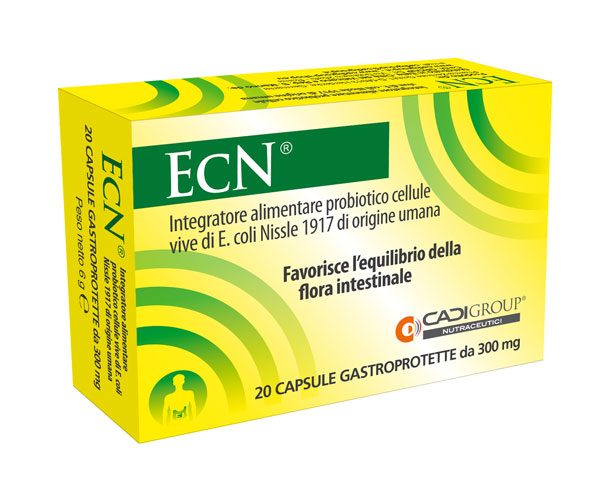
In Italy it is also being manufactured.

ecn-web

20 Euros for 20 capsules.

http://cadigroup-shop.eu/shop2/colite-ulcerosa/ecn-p-27.html