

A reader asked on Inherited Factors for ME/CFS:
Which of your posts gives the clearest explanation of how someone might begin addressing one or more possible contributors to ME/CFS? What is the most practical “how-to” guide for following the steps that led to your remission?
I understand that remission may not be possible for everyone. Still, people may want to know what I tried so they can decide whether any of those steps are appropriate for them.
I would answer this in two parts.
First, I will describe what contributed to my original recovery. Much of that approach may be difficult or impossible for many people to duplicate today because of cost, insurance limitations, and the way medical care is commonly delivered.
Second, I will describe a more practical approach that attempts to follow the same general reasoning as closely as possible.
My Original Recovery
When I was first diagnosed with ME/CFS, around 2000, I was in an unusually fortunate situation:
- I received disability pay for one year.
- My employer-covered medical plan paid 100% of costs, including out-of-network care, prescriptions, and dental care.
- My physician could spend as much time with me as needed, bill for that time, and be reimbursed without major administrative barriers.
At that time, two sets of papers had been published reporting remission rates of roughly 80% to 90% using different approaches. My physician and I decided to pursue both approaches at the same time.
The plan included:
- Extensive coagulation testing through a specialist laboratory. This included testing for inherited clotting-related factors, followed by treatment based on the results.
- The Dr. Cecil Jadin protocol.
- A monthly rotation of different antibiotics.
Many of the antibiotics caused a strong die-off reaction, often described as a Herxheimer or “herx” reaction. After the reaction settled down, we added substances intended to improve penetration or effectiveness, such as bromelain.
Over several months, this approach worked for me. However, because genetic factors appeared to be involved, I did not regard it as a permanent cure. I considered it a remission.
I also came to believe that stress was an important trigger for my symptoms. As a result, I made significant lifestyle changes. In particular, I changed the kind of work I did and developed a much lower tolerance for persistently stressful work environments or managers. If a job became harmful to my health, I made it a priority to leave rather than remain in that situation.
Later Relapses
My later relapses did not always appear to have the same immediate trigger. Stress was one trigger. A flu vaccination seemed to be another in at least one instance.
There was, however, one important difference from my earlier illness: I developed gastrointestinal symptoms.
That led me back to the research literature. I found a 1999 paper describing shifts in bacterial populations associated with ME/CFS. When I reviewed the antibiotics used in my earlier treatment, I realized that they may also have corrected most of the bacterial shifts described in that paper.
Jadin’s protocol described the issue as an “occult infection,” meaning an underlying infection or infection-like process that can produce symptoms similar to those caused by the original infection. That idea helped clarify my thinking.
My interpretation was that the initial infection may have caused shifts in the gut microbiome. Even after the original infection resolved, those bacterial shifts may not have returned to a healthy baseline. In other words, some continuing symptoms may have been driven less by the original pathogen and more by the lasting changes it caused in the gut ecosystem.
That realization led me into microbiome research.
A More Practical Starting Approach
For people who want to explore this line of thinking, I would suggest a practical, lower-cost approach centered on microbiome testing and data-guided interventions.
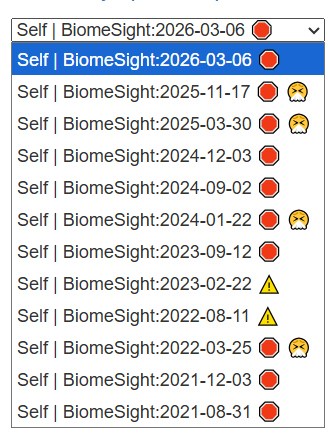
- Obtain a microbiome test from Biomesight. The discount code is Micro. Use of the code provides a contribution toward the costs of maintaining the site.
- I prefer Biomesight primarily because we have the largest number of uploads from that testing service. A larger comparable dataset makes it easier to identify bacterial patterns that may be relevant.
- Transfer your Biomesight data to Microbiome Prescription.
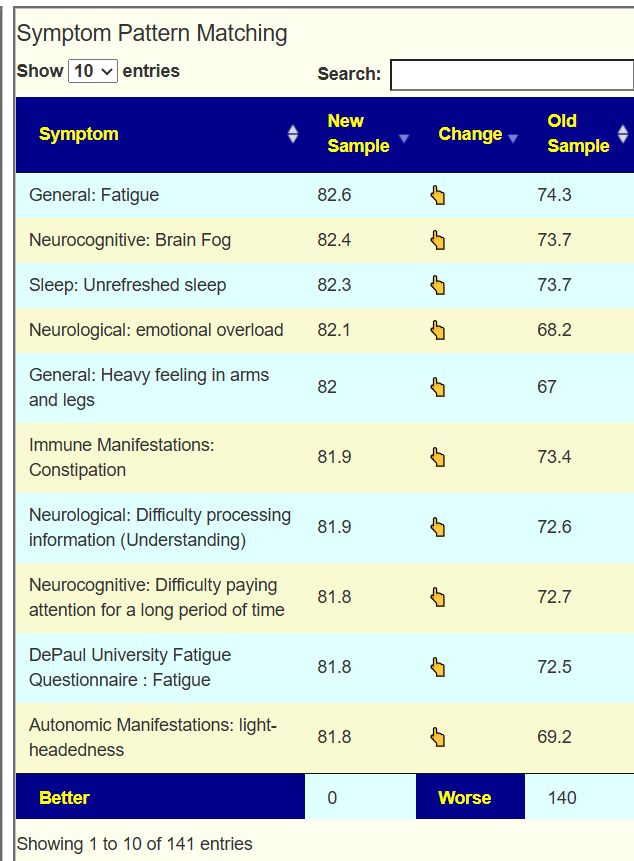
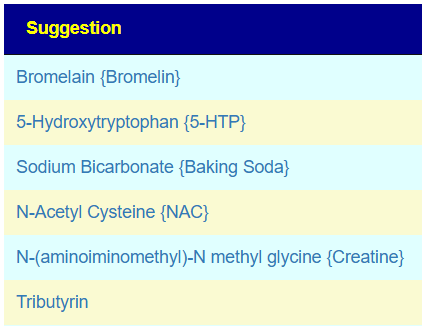
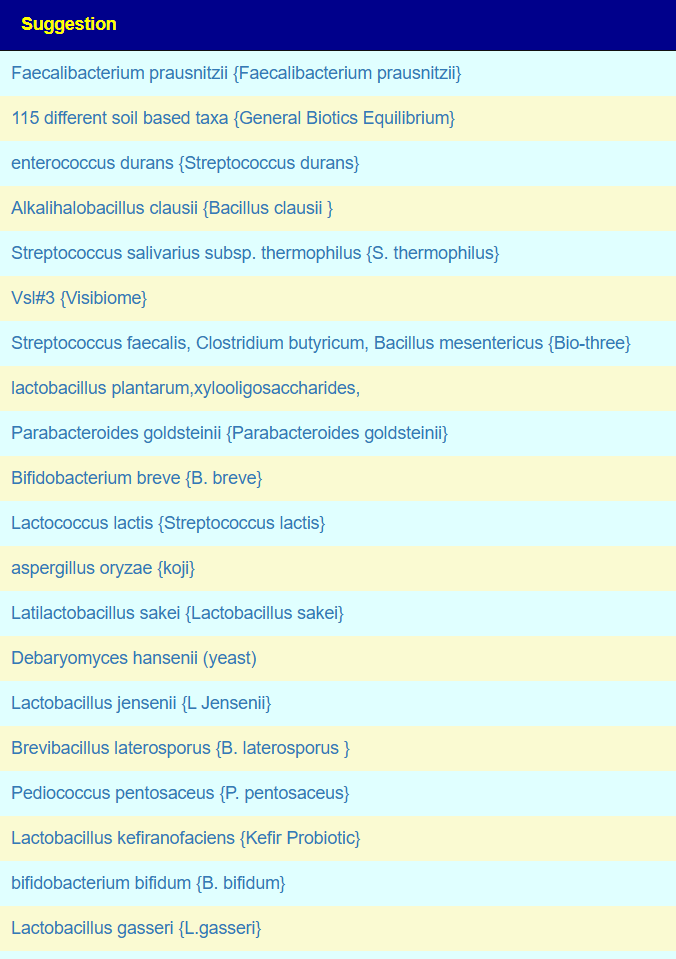
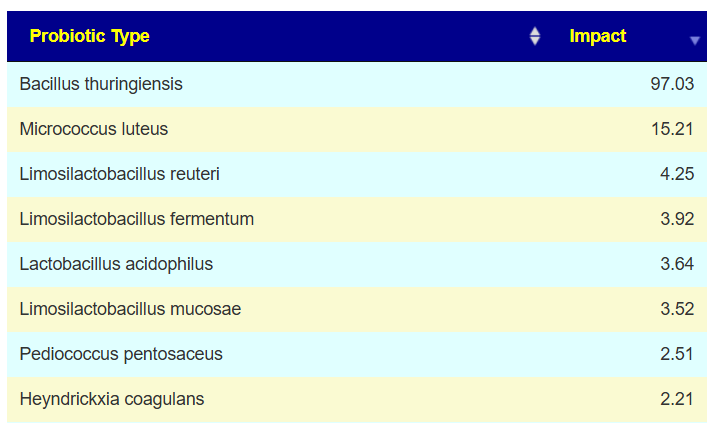
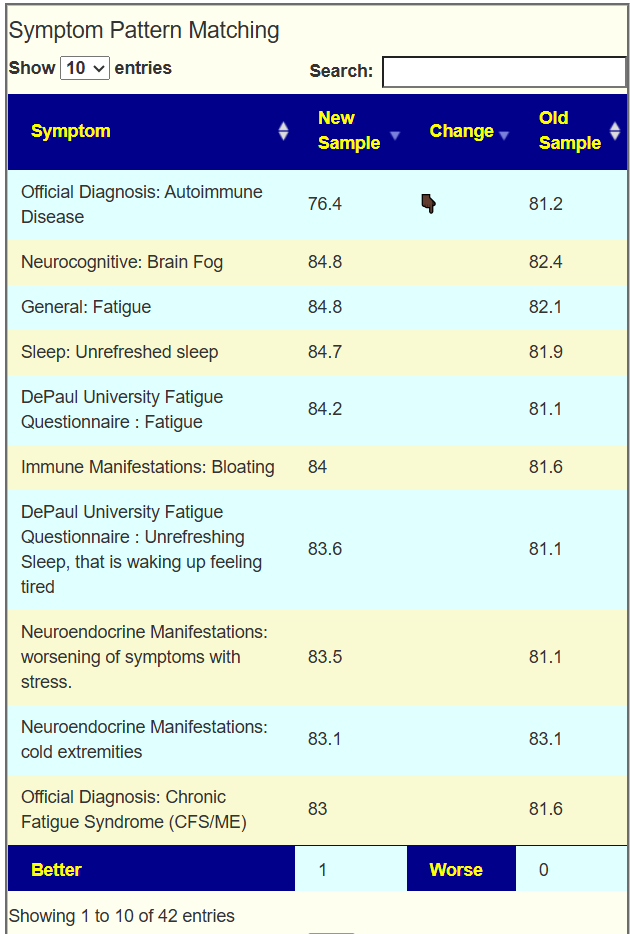
- Log in to Microbiome Prescription, enter your symptoms, and review the suggestions it generates.
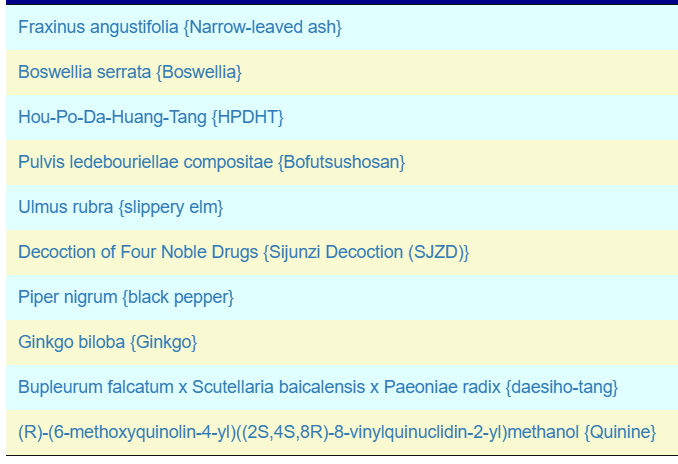
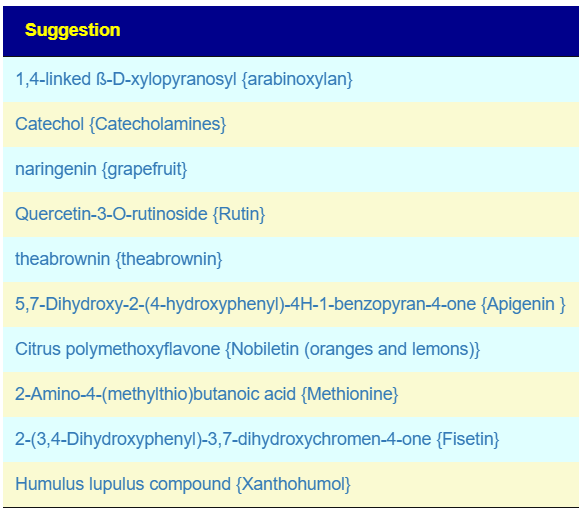
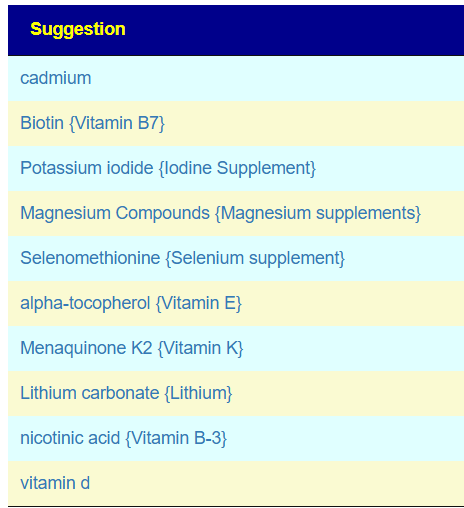
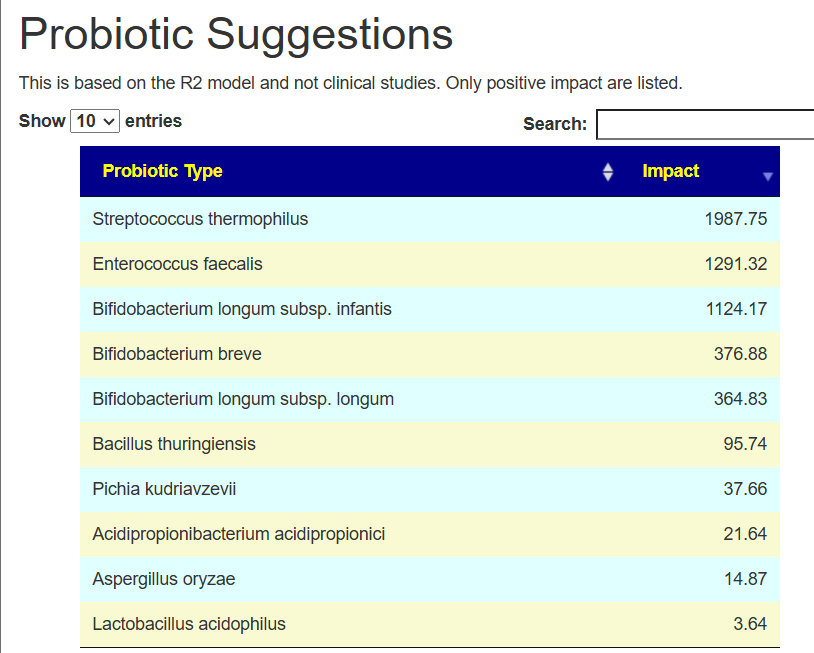
- You should also receive an Odds Ratio list of suggested interventions within about a day. I would start with those suggestions for approximately two weeks.
- If you see no meaningful improvement after two weeks, consider switching to the symptom-based suggestions generated by the site.
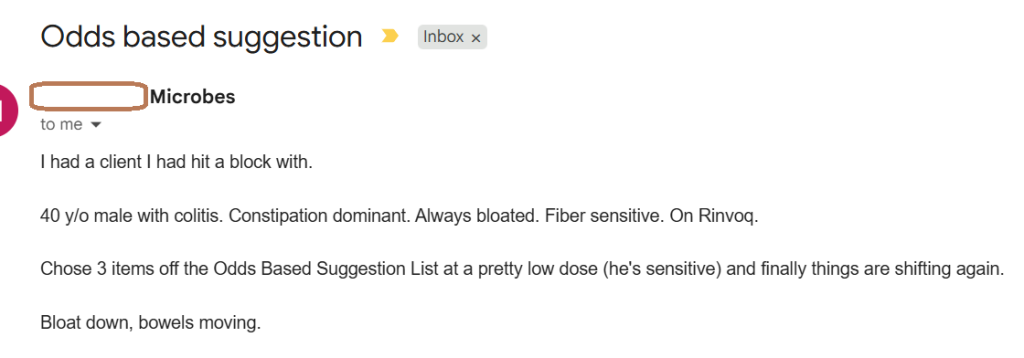
The Odds Ratio approach has received encouraging reports from several people, including some health professionals. Individual responses vary greatly, however, so it is important to introduce changes carefully, track symptoms, and involve an appropriately qualified clinician when considering prescription medicines, anticoagulants, or antibiotics.
Summary
In my experience, two areas appear to be the most promising paths to investigate:
- Deep coagulation testing, especially where there is reason to suspect clotting-related or inherited factors.
- 23andMe is an option: its Hereditary Thrombophilia Genetic Health Risk report covers the two common inherited clot-risk variants—Factor V Leiden in F5 and prothrombin G20210A in F2. Not complete but better than no information.
- Microbiome testing and targeted efforts to correct unfavorable bacterial patterns.
For many people, microbiome testing may be the more accessible starting point. It is often less expensive, less confrontational, and more practical than trying to obtain extensive specialist testing or persuade clinicians to pursue less conventional treatment pathways.
One probiotic of note: Mutaflor — it is one of those bacteria found deficient in the 1999 study. My own experience is that it can cause a significant herx; on the plus side, if things are a little off, I will often use it as a preventative and take for 1-2 weeks.
This is not a promise of remission, and it should not replace individualized medical care. But it is the closest practical version of the path that led me from severe illness toward remission.



 CFS Remission