

This is an update of my post from 10 years ago, CFS: Appropriate Brain Scans. I will focus on studies in those 10 years. Short version of these studies below.
Data showed that MRI studies frequently reported structural changes in the white and gray matter. Abnormalities of the functional connectivity within the brainstem and with other brain regions have also been found. The studies have suggested possible mechanisms including astrocyte dysfunction, cerebral perfusion impairment, impaired nerve conduction, and neuroinflammation involving the brainstem, which may at least partially explain a substantial portion of the ME/CFS symptoms and their heterogeneous presentations in individual patient
Brainstem Abnormalities in Myalgic Encephalomyelitis/Chronic Fatigue Syndrome: A Scoping Review and Evaluation of Magnetic Resonance Imaging Findings [2021]
In our family dealing with ME/CFS, we were fortunate is having brain scans done by and interpreted by Doctor Daniel Amen. Our effective treatment was focused on shifting bacteria, addressing coagulation, and reducing inflammation.
For more information on metabolites, see this post.
Magnetic Resonance Imaging
- Chronic fatigue and headache in post-COVID-19 syndrome: a radiological and clinical evaluation [2025]
“T2-hyperintense lesions are common in patients with post-COVID-19 syndrome,” - Hippocampal subfield volume alterations and associations with severity measures in long COVID and ME/CFS: A 7T MRI study [2025]
“we found significant associations between hippocampal subfield volumes and severity measures of ‘Pain’, ‘Duration of illness’, ‘Severity of fatigue’, ‘Impaired concentration’, ‘Unrefreshing sleep’, and ‘Physical function’ in both conditions. These findings suggest that hippocampal alterations may contribute to the neurocognitive impairment experienced by long COVID and ME/CFS patients.” - Hypothalamus Connectivity in Adolescent Myalgic Encephalomyelitis/Chronic Fatigue Syndrome [2024]
“We observed weak-to-moderate evidence of increased degree, but not strength, of connections from the bilateral anterior-inferior (left: pd [%] = 99.18, median [95% CI] = -22.68[-40.96 to 4.45]; right: pd [%] = 99.86, median [95% CI] = -23.35[-38.47 to 8.20]), left anterior-superior (pd [%] = 99.33, median [95% CI] = -18.83[-33.45 to 4.07]) and total left hypothalamus (pd [%] = 99.44, median [95% CI] = -47.18[-83.74 to 11.03]) in the ME/CFS group compared with controls. Conversely, bilateral posterior hypothalamus degree decreased with increasing ME/CFS illness duration (left: pd [%] = 98.13, median [95% CI]: -0.47[-0.89 to 0.03]; right: pd [%] = 98.50, median [95% CI]:-0.43[-0.82 to 0.05]). Finally, a weak relationship between right intermediate hypothalamus connectivity strength and fatigue severity was identified in the ME/CFS group (pd [%] = 99.35, median [95% CI] = -0.28[-0.51 to 0.06]), which was absent in controls. These findings suggest changes in hypothalamus connectivity may occur in adolescents with ME/CFS, warranting further investigation.” - Six-Week Supplementation with Creatine in Myalgic Encephalomyelitis/Chronic Fatigue Syndrome (ME/CFS): A Magnetic Resonance Spectroscopy Feasibility Study at 3 Tesla [2024]
“Creatine supplementation over six weeks in ME/CFS patients increased brain creatine and improved fatigue and some aspects of cognition. “ - A Multimodal Magnetic Resonance Imaging Study on Myalgic Encephalomyelitis/Chronic Fatigue Syndrome: Feasibility and Clinical Correlation [2024]
“The study demonstrates the feasibility of combining MRS and fMRI to capture neurochemical and neurophysiological features of ME/CFS in female participants.” - Imbalanced Brain Neurochemicals in Long COVID and ME/CFS: A Preliminary Study Using MRI [2025]
“Our study identified significantly elevated glutamate and N-acetyl-aspartate levels in long COVID and ME/CFS patients compared with healthy controls. “ - Blood-brain barrier disruption and sustained systemic inflammation in individuals with long COVID-associated cognitive impairment [2024]
- Cluster analysis to identify long COVID phenotypes using 129Xe magnetic resonance imaging: a multicentre evaluation [2024]
“We identified four 129Xe MRI long COVID phenotypes with distinct characteristics. 129Xe MRI can dissect pathophysiological heterogeneity of long COVID to enable personalised patient care.” - Brain-regional characteristics and neuroinflammation in ME/CFS patients from neuroimaging: A systematic review and meta-analysis [2023]
“These abnormalities, occurring in pivotal network hubs bridging reason and emotion, disrupt connections with the limbic system, contributing to the hallmark symptoms of ME/CFS. Furthermore, we discuss the regions where neuroinflammatory features are frequently observed and address critical neuroimaging limitations, including issues related to inter-rater reliability. This systematic review serves as a valuable guide for defining regions of interest (ROI) in future neuroimaging investigations of ME/CFS.” - A prospective randomized, double-blind placebo-controlled study to evaluate the effectiveness of neuroprotective therapy using functional brain MRI in patients with post-covid chronic fatigue syndrome [2023]
“ the study demonstrates the potential effectiveness of CCSA therapy in relation to a wide range of symptoms (chronic fatigue syndrome/ asthenic syndrome and cognitive impairment) in patients with post-COVID syndrome. The first time demonstrated the effectiveness of neuroprotective therapy after post-COVID asthenic syndrome with the use of high-tech neuroimaging techniques.” - Hypothalamus volumes in adolescent Myalgic Encephalomyelitis/Chronic Fatigue Syndrome (ME/CFS): impact of self-reported fatigue and illness duration [2023]
“preliminary evidence was identified to suggest greater fatigue severity and longer illness duration were associated with greater right anterior-superior and superior-tubular volumes, respectively. “ - What lies beneath: White matter microstructure in pediatric myalgic encephalomyelitis/chronic fatigue syndrome using diffusion MRI [2023]
“our findings suggest that white matter abnormalities may not be predominant in pediatric ME/CFS in the early stages following diagnosis. The discrepancy between our null findings and white matter abnormalities identified in the adult ME/CFS literature could suggest that older age and/or longer illness duration influence changes in brain structure and brain-behavior relationships that are not yet established in adolescence.” - Brainstem volume changes in myalgic encephalomyelitis/chronic fatigue syndrome and long COVID patients [2023]
” Our study demonstrated an abnormal brainstem volume in both ME/CFS and long COVID consistent with the overlapping symptoms.” - Connectivity Between Salience and Default Mode Networks and Subcortical Nodes Distinguishes Between Two Classes of Myalgic Encephalomyelitis/Chronic Fatigue Syndrome [2023]
“This work reports the remarkable finding that functional magnetic resonance imaging connectivity can differentiate between these two classes of ME/CFS.” - Multimodal MRI of myalgic encephalomyelitis/chronic fatigue syndrome: A cross-sectional neuroimaging study toward its neuropathophysiology and diagnosis [2022] Study Proposal
- Volumetric differences in hippocampal subfields and associations with clinical measures in myalgic encephalomyelitis/chronic fatigue syndrome [2022]
“we detected positive correlations between fatigue and hippocampus subfield volumes and a negative correlation between sleep disturbance score and the right CA1 body volume. In ME/CFSICC patients, we detected a strong negative relationship between fatigue and left hippocampus tail volume. Strong negative relationships were also detected between pain and SF36 physical scores and two hippocampal subfield volumes (left: GC-ML-DG head and CA4 head). Our study demonstrated that volumetric differences in hippocampal subfields have strong statistical inference for patients meeting the ME/CFSICC case definition and confirms hippocampal involvement in the cognitive and memory problems of ME/CFSICC patients.” - Limbic Perfusion Is Reduced in Patients with Myalgic Encephalomyelitis/Chronic Fatigue Syndrome (ME/CFS) [2021]
” the patient group showed significant hypoperfusion (uncorrected voxel wise p ≤ 0.001, FWE p ≤ 0.01) in several brain regions of the limbic system, including the anterior cingulate cortex, putamen, pallidum, and anterior ventral insular area. For the ME/CFS patients, the overall symptom severity score at rest was significantly associated with a reduced rCBF in the anterior cingulate cortex. The results of this study show that brain blood flow abnormalities in the limbic system may contribute to ME/CFS pathogenesis.” - Neurochemical abnormalities in chronic fatigue syndrome: a pilot magnetic resonance spectroscopy study at 7 Tesla [2021]
“The changes in glutathione and creatine are consistent with the presence of oxidative and energetic stress in CFS patients and are potentially remediable by nutritional intervention. “ - Subcortical brain segment volumes in Gulf War Illness and Myalgic Encephalomyelitis/Chronic Fatigue Syndrome [2021]
“CFS and GWI were appropriate “illness controls” for each other. The different patterns of adjusted segment volumes suggested that sexual dimorphisms contributed to pathological changes. Previous volumetric studies may need to be reevaluated to account for gender differences.” - High Prevalence of Perineural Cysts in Patients with Fibromyalgia and Chronic Fatigue Syndrome [2021]
“ In patients diagnosed with FM or CFS, the prevalence of TCs was three times higher than that in the general population” - Neuroimaging characteristics of myalgic encephalomyelitis/chronic fatigue syndrome (ME/CFS): a systematic review [2020]
“ Neuroimaging studies of ME/CFS have frequently observed additional brain area recruitment during cognitive tasks and abnormalities in the brain stem. The frequent observation of additional brain area recruitment and consistent observation of sluggish fMRI signal response suggest abnormal neurovascular coupling in ME/CFS.” - Using structural and functional MRI as a neuroimaging technique to investigate chronic fatigue syndrome/myalgic encephalopathy: a systematic review [2020]
“The most consistent finding was CFS/ME exhibited increased activations and recruited additional brain regions. Tasks with increasing load or complexity produced decreased activation in task-specific brain regions.” - Mapping of pathological change in chronic fatigue syndrome using the ratio of T1- and T2-weighted MRI scans [2020]
“he voxel-based group comparison with sub-millimetre resolution voxels detected very significant clusters with increased T1w/T2w in ME/CFS, mostly in subcortical grey matter, but also in brainstem and projection WM tracts. “ - Neuroimaging markers of chronic fatigue in older people: a narrative review [2021]
“Fatigue was associated with reduced hippocampus volumes and with hippocampal amyloid deposition. Regarding the association between fatigue and the circuit of basal ganglia, putamen and thalamus were associated with physical fatigability, whereas amygdala and thalamus with mental fatigability” - Machine Learning Detects Pattern of Differences in Functional Magnetic Resonance Imaging (fMRI) Data between Chronic Fatigue Syndrome (CFS) and Gulf War Illness (GWI) [2020]
“We concluded that CFS and GWI are significantly differentiable using a pattern of fMRI activity based on an ensemble machine learning model.” - Altered Structural Brain Networks Related to Adrenergic/Muscarinic Receptor Autoantibodies in Chronic Fatigue Syndrome [2020]
“Our findings suggest that β1 AdR-Ab and β2 AdR-Ab are potential markers of ME/CFS.” - A systematic review of neurological impairments in myalgic encephalomyelitis/ chronic fatigue syndrome using neuroimaging techniques [2020]
“Changes in gray and white matter volumes, cerebral blood flow, brain structure, sleep, EEG activity, functional connectivity and cognitive function.” - A Machine Learning Approach to the Differentiation of Functional Magnetic Resonance Imaging Data of Chronic Fatigue Syndrome (CFS) From a Sedentary Control [2020]
“This study was able to uncover a pattern of activated neurological regions that differentiated CFS from Control. “ - Intra brainstem connectivity is impaired in chronic fatigue syndrome [2019]
“In ME/CFS, connections were absent between medulla and midbrain nuclei, although hippocampal connections with these nuclei were enhanced. When corresponding correlations from HC and ME/CFS were compared, ME/CFS connectivity deficits were detected within the brainstem between the medulla and cuneiform nucleus and between the brainstem and hippocampus and intralaminar thalamus, but only during task. “ - Evidence of widespread metabolite abnormalities in Myalgic encephalomyelitis/chronic fatigue syndrome: assessment with whole-brain magnetic resonance spectroscopy [2020]
- Severe posterior hypometabolism but normal perfusion in a patient with chronic fatigue syndrome/myalgic encephalomyelitis revealed by PET/MRI [2019]
- Hyperintense sensorimotor T1 spin echo MRI is associated with brainstem abnormality in chronic fatigue syndrome [2018]
“the T1wSE group comparison detected decreased signal-levels in CFS in a brainstem region (cluster-based inference controlled for family wise error rate, PFWE= 0.002), and increased signal-levels in large bilateral clusters in sensorimotor cortex white matter (cluster PFWE < 0.0001). Moreover, the brainstem T1wSE values were negatively correlated with the sensorimotor values for both CFS (R2 = 0.31, P = 0.00007) and healthy controls (R2 = 0.34, P = 0.0009), “ - Brain abnormalities in myalgic encephalomyelitis/chronic fatigue syndrome: Evaluation by diffusional kurtosis imaging and neurite orientation dispersion and density imaging [2019]
“In the ME/CFS patients, we observed significant FA decreases in the genu of the corpus callosum and the anterior limb of the right internal capsule (P < 0.05),” - Brain function characteristics of chronic fatigue syndrome: A task fMRI study [2018]
“The results suggest the brain responds differently to a cognitive challenge in patients with CFS, with recruitment of wider regions to compensate for lower information capacity.” - Intracranial compliance is associated with symptoms of orthostatic intolerance in chronic fatigue syndrome [2018]
“Within the patient group, higher severity of OI symptoms were associated with lower intracranial compliance (r = -.346, p = .033) and higher resting perfusion (r = .337, p = .038). In both groups intracranial compliance was negatively correlated with cerebral perfusion.” - Structural brain changes versus self-report: machine-learning classification of chronic fatigue syndrome patients [2018]
“The sMRI model achieved 79.58% classification accuracy. The SR (accuracy = 95.95%) outperformed both sMRI models. Estimates from multiple brain areas related to cognition, emotion, and memory contributed strongly to group classification. “ - Cortical hypoactivation during resting EEG suggests central nervous system pathology in patients with chronic fatigue syndrome [2018]
“The implications of abnormal cortical sources in patients with CFS are discussed.” - Elevations of Ventricular Lactate Levels Occur in Both Chronic Fatigue Syndrome and Fibromyalgia [2017]
“Mean CSF lactate levels in CFS, FM and CFS+FM did not differ among the three groups, but were all significantly higher than the mean values for control subjects.” - Decreased Connectivity and Increased Blood Oxygenation Level Dependent Complexity in the Default Mode Network in Individuals with Chronic Fatigue Syndrome [2018]
“This study showed that DMN activity is more complex and less coordinated in CFS, suggesting brain network analysis could be potentially used as a diagnostic biomarker for CFS.” - Grey and white matter differences in Chronic Fatigue Syndrome – A voxel-based morphometry study [2017]
“patients had larger GM volume and lower WM volume. The voxel-wise analysis showed increased GM volume in several structures including the amygdala and insula in the patient group. Reductions in WM volume in the patient group were seen primarily in the midbrain, pons and right temporal lobe.” - Altered right anterior insular connectivity and loss of associated functions in adolescent chronic fatigue syndrome [2017]
“These results suggest a distinct biological signature of adolescent CFS and might represent a fundamental role of the dAI in motivated behavior.” - Multimodal and simultaneous assessments of brain and spinal fluid abnormalities in chronic fatigue syndrome and the effects of psychiatric comorbidity [2017]
“Thirteen of 26 patients had abnormal values on two or more of these 4 brain-related variables.” - Prefrontal Structure Varies as a Function of Pain Symptoms in Chronic Fatigue Syndrome [2017]
“Individual variation in the presence of pain, rather than fatigue, is associated with neuronal alterations in the dorsolateral prefrontal cortex of patients with CFS.” - Chronic fatigue syndrome in women assessed with combined cardiac magnetic resonance imaging [2016]
“In patients with CFS, CMR demonstrated lower LV dimensions and a mildly reduced LV function. The presence of myocardial fibrosis in some CFS patients suggests that CMR assessment of cardiac involvement is warranted as part of the scientific exploration, which may imply serial non-invasive examinations.” - Autonomic correlations with MRI are abnormal in the brainstem vasomotor centre in Chronic Fatigue Syndrome [2016]
“Abnormal regressions were detected in nuclei of the brainstem vasomotor centre, midbrain reticular formation and hypothalamus, but also in limbic nuclei involved in stress responses and in prefrontal white matter.” - Evidence in chronic fatigue syndrome for severity-dependent upregulation of prefrontal myelination that is independent of anxiety and depression [2015]
“MRI regressions with depression itself only detected associations with WM volume, also located in prefrontal WM”
Bottom Line Model
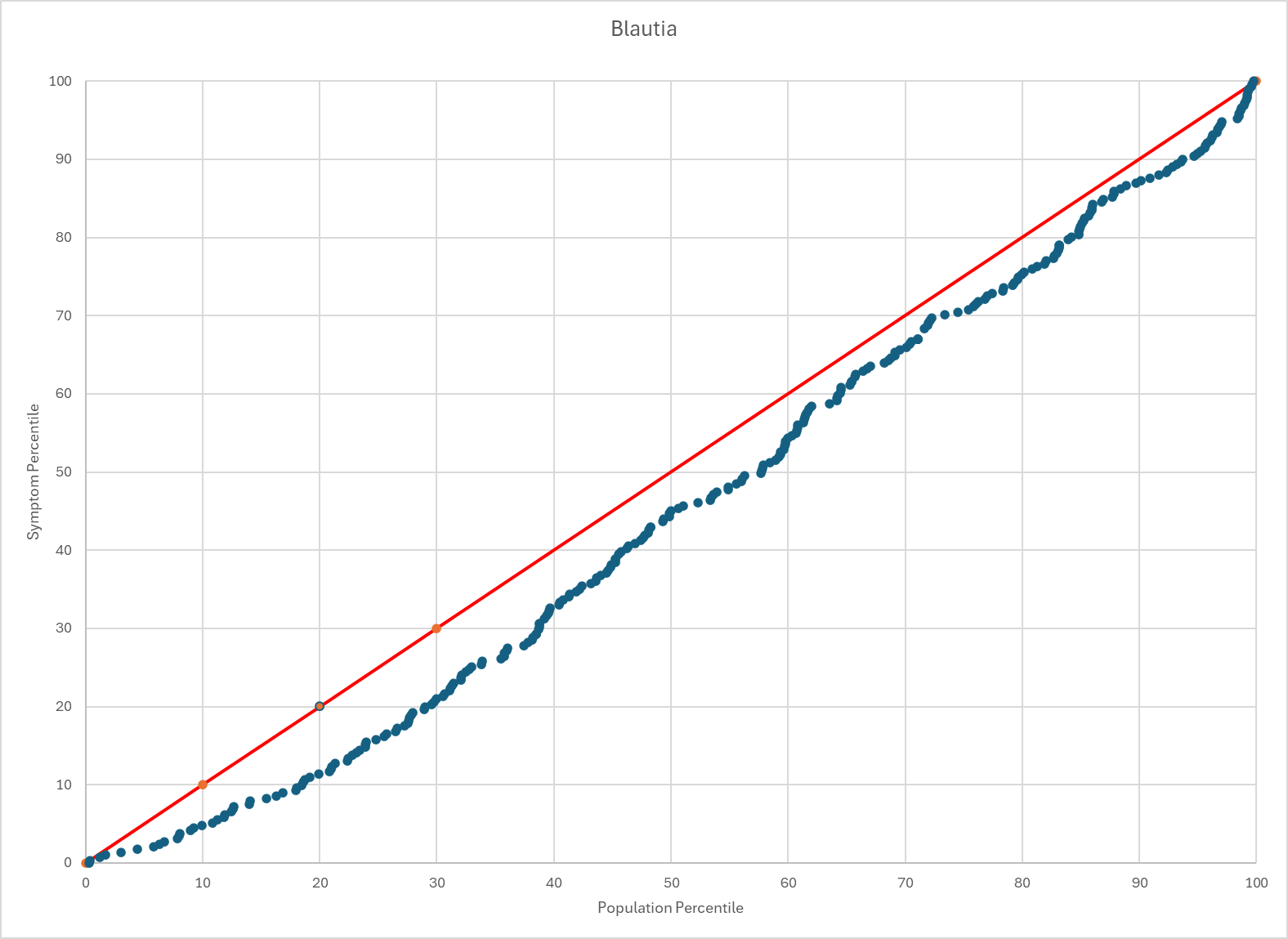
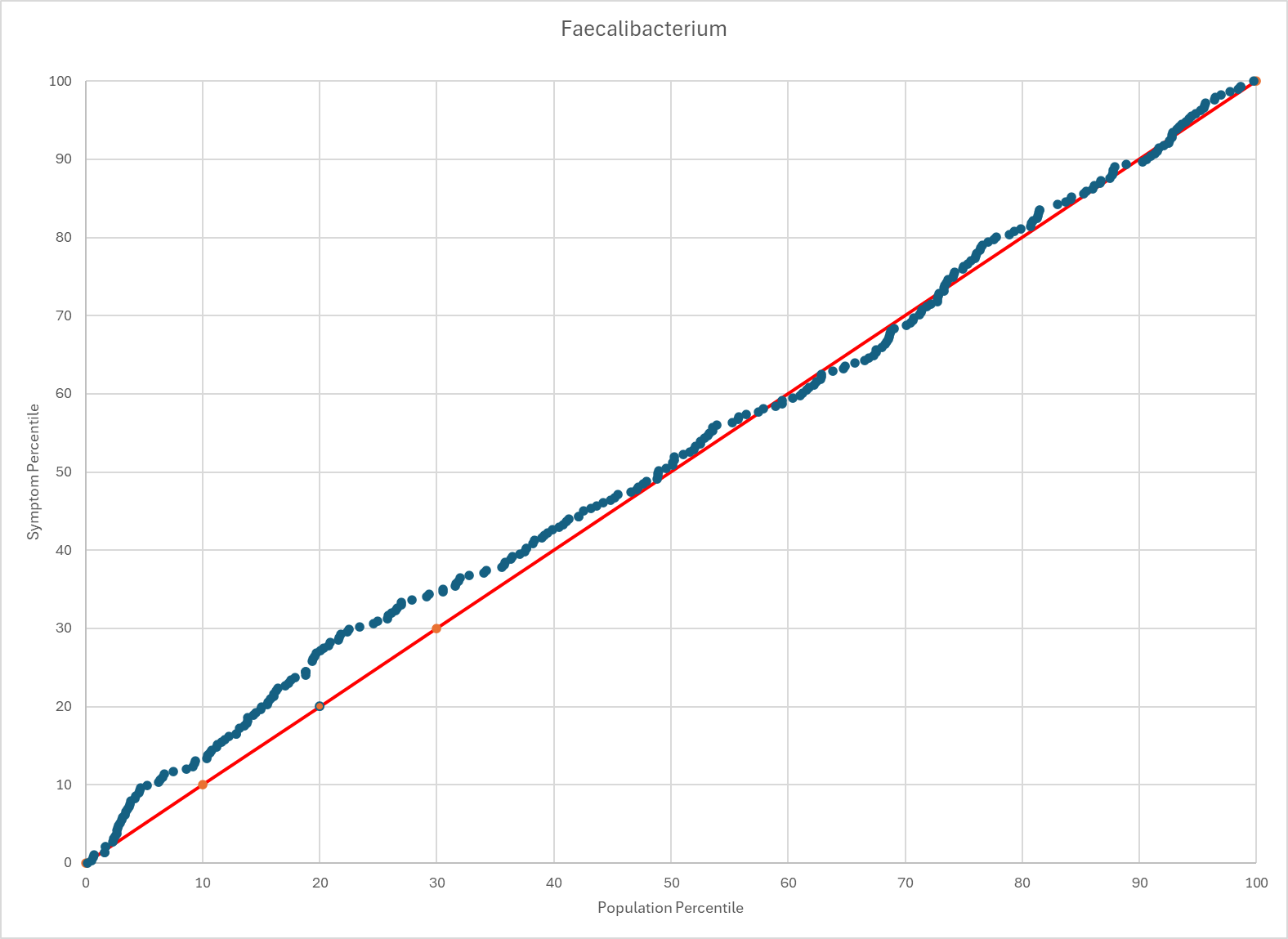
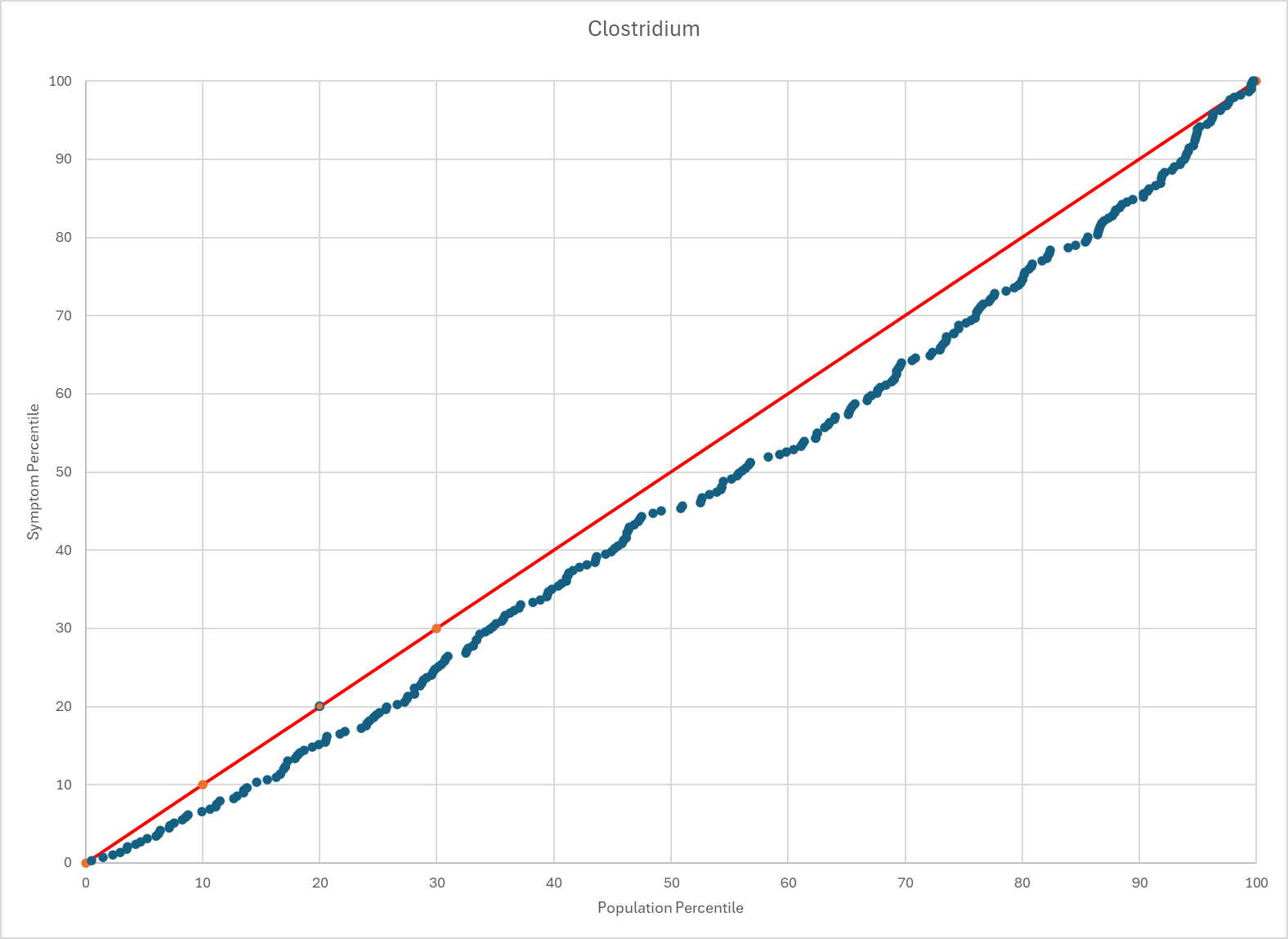
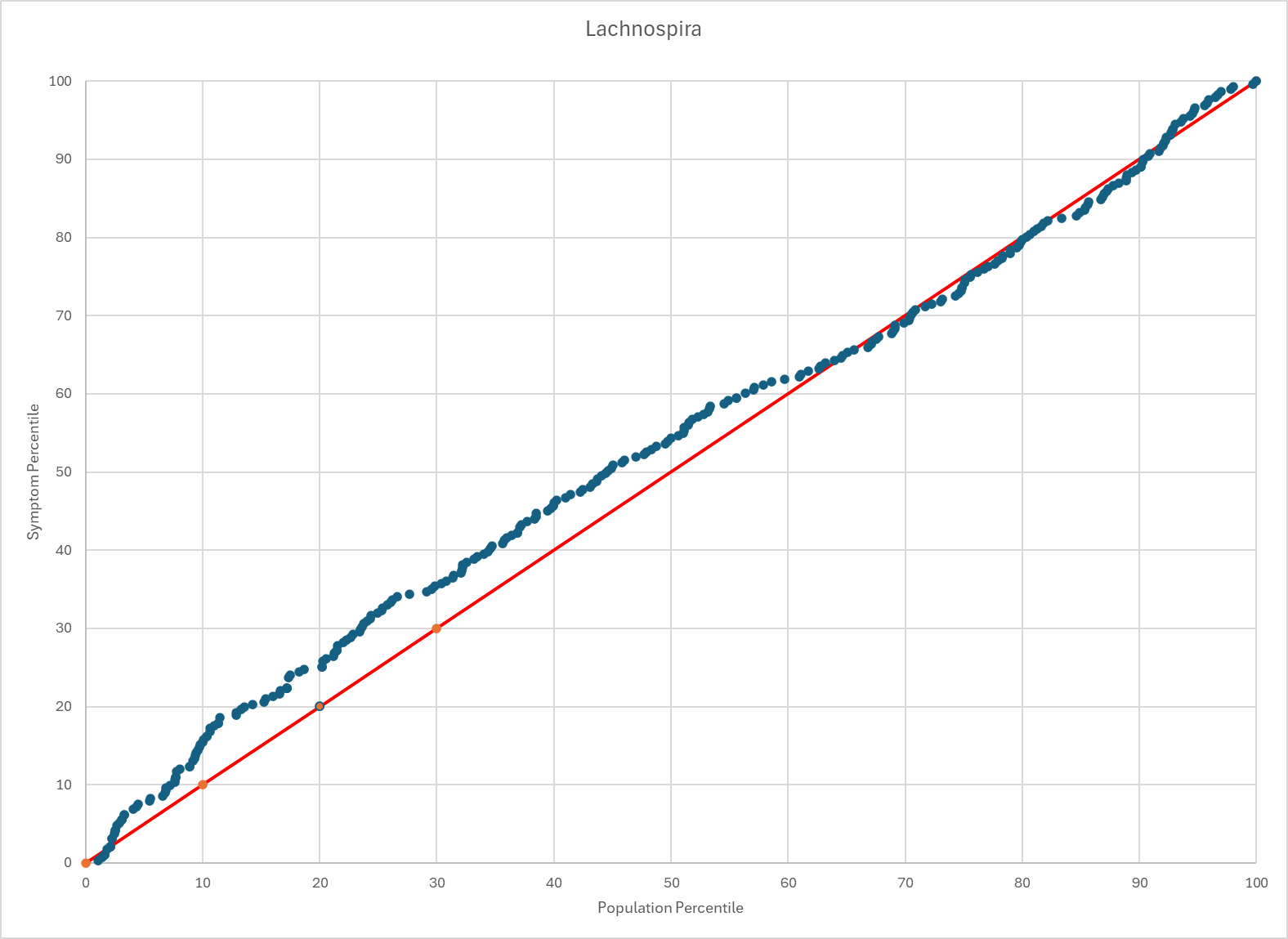
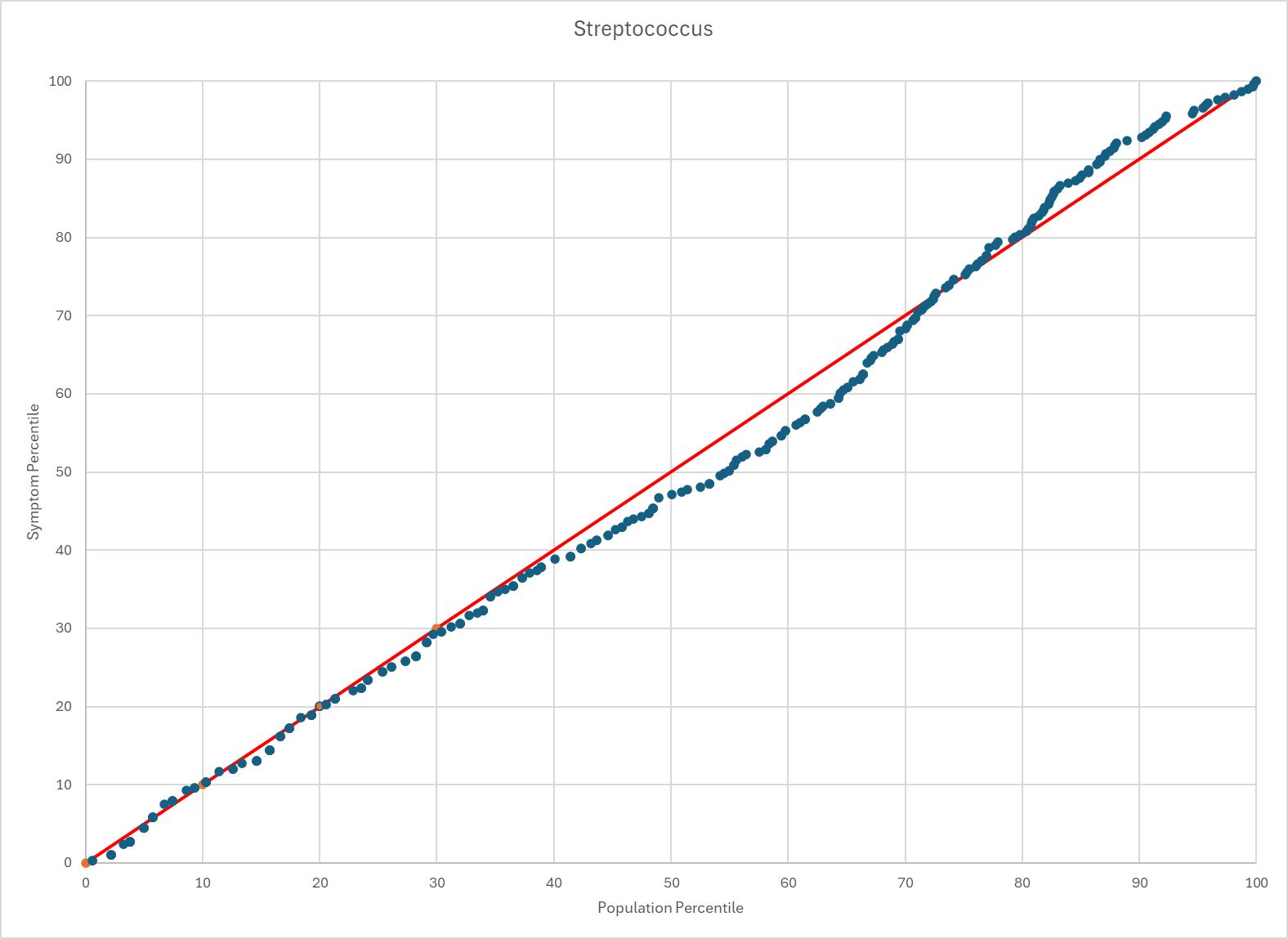
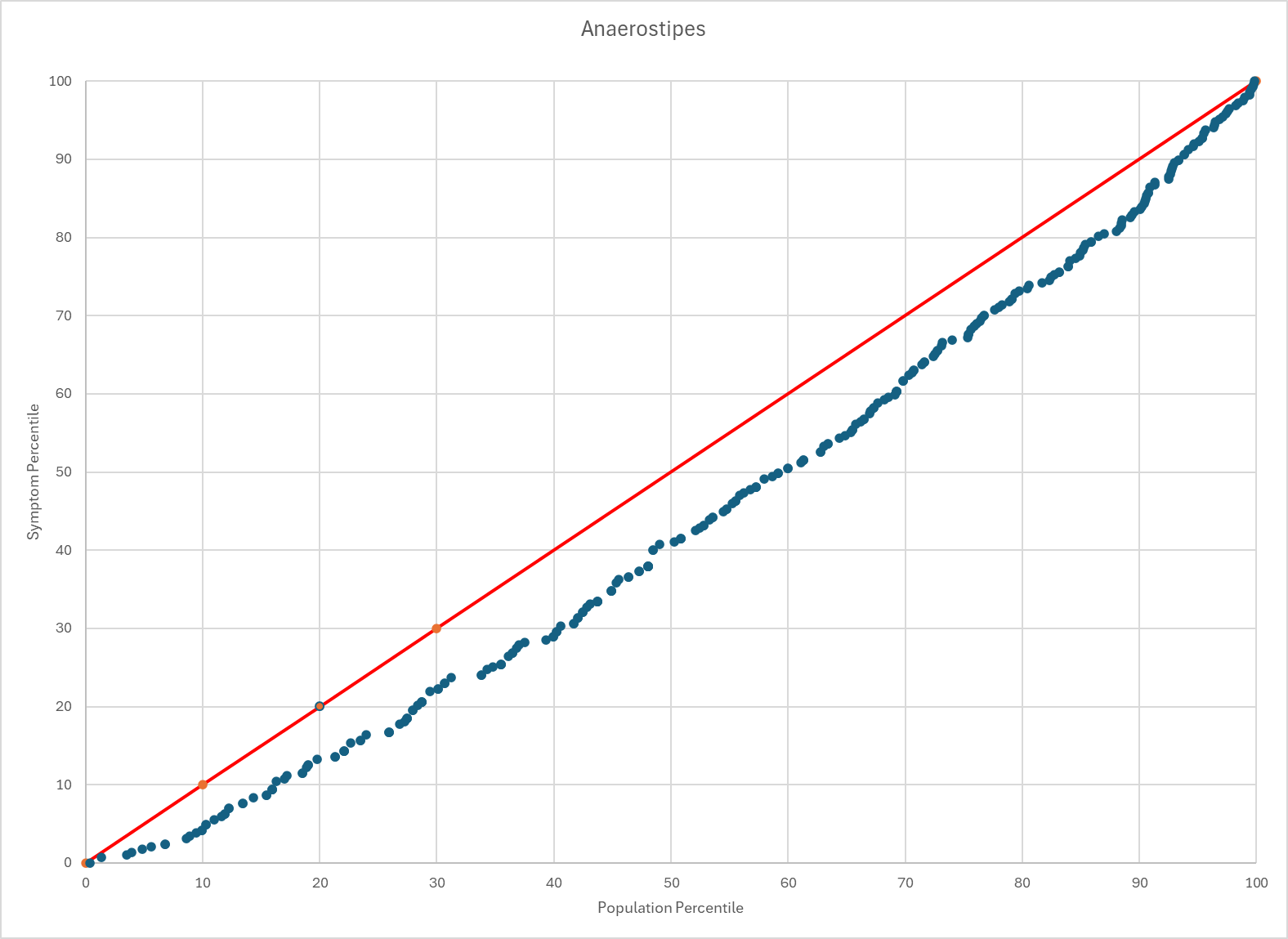
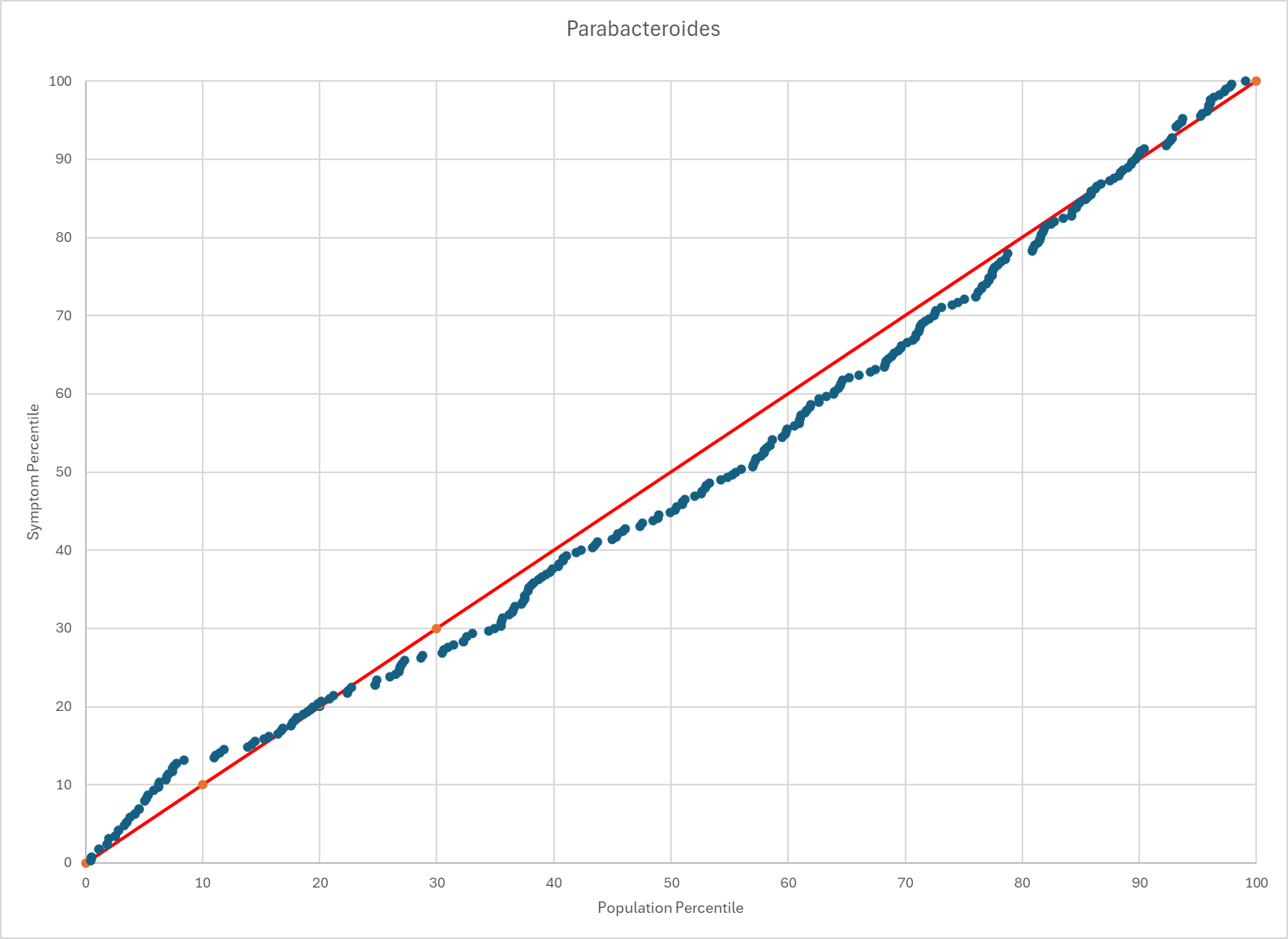
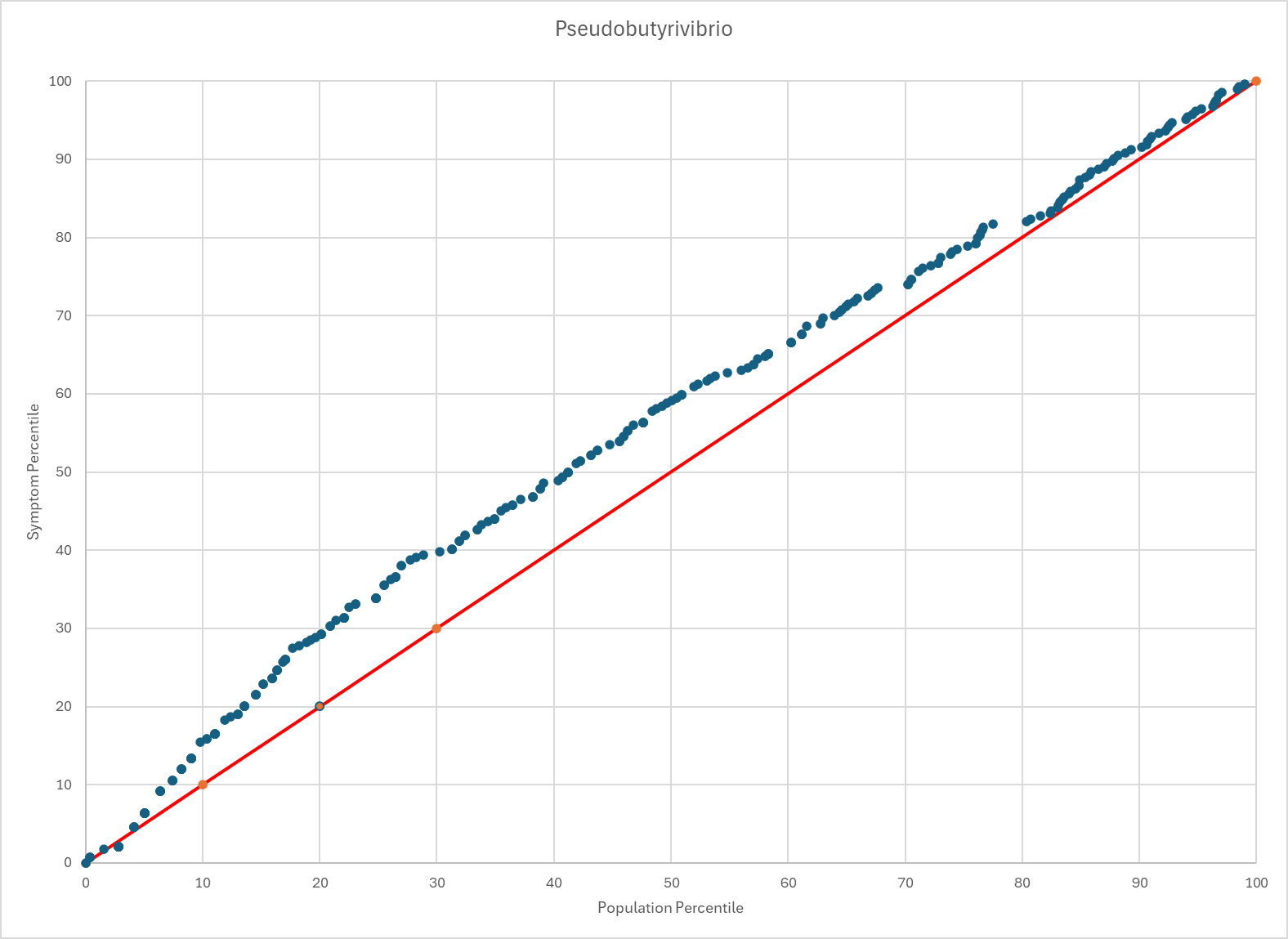
I believe the best model is based on Evidence of widespread metabolite abnormalities in Myalgic encephalomyelitis/chronic fatigue syndrome: assessment with whole-brain magnetic resonance spectroscopy [2020]. Metabolite abnormalities can be a direct result of microbiome dysfunctions. Those abnormalities are very treatable using microbiome tests and expert systems such as generated by Microbiome Prescription.










 CFS Remission