Update on Parkinson’s and the Microbiome

A reader asked me to update my earlier posts (as well as

Blautia coccoides and Clostridium leptum produced the largest amount of hydrogen. Escherichia coli and Bacteroides fragilis constituted the second group that produced hydrogen 34- to 93-fold lower than B. coccoides. Bifidobacterium pseudocatenulatum and Atopobium parvulum constituted the third group that produced hydrogen 559- to 2164-fold lower than B. coccoides. Lactobacillus casei produced no detectable hydrogen. Assuming that taxonomically neighboring strains have similar hydrogen production, we simulated hydrogen production using intestinal microbiota that we previously reported, and found that PD patients produce a 2.2-fold lower amount of intestinal hydrogen compared to controls. 

Quantification of hydrogen production by intestinal bacteria that are specifically dysregulated in Parkinson’s disease [2018]

For what increases Blautia coccoides see this summary. In short:
arabinoxylan oligosaccharides (prebiotic) with rosemary, bernine, and cholic acid! No more red wine, smoking or walnuts!

Changes of Colonic Bacterial Composition in Parkinson’s Disease and Other Neurodegenerative Diseases. Several studies showed an increase of LactobacillusBifidobacterium, Verrucomicrobiaceae and Akkermansia in PD. A decrease of Faecalibacterium spp., Coprococcusspp., Blautia spp., Prevotella spp. and Prevotellaceae was observed in PD. 

Changes of Colonic Bacterial Composition in Parkinson’s Disease and Other Neurodegenerative Diseases. [2018]

Chronic stress-induced gut dysfunction exacerbates Parkinson’s disease phenotype and pathology in a rotenone-induced mouse model of Parkinson’s disease[2018].

Gut microbiome-based secondary metabolite biosynthetic gene clusters detection in Parkinson’s disease.[2018]

Although most of these differences were associated with disease duration, lower abundance in Lachnospiraceae was the only difference between de novo PD and HC (remaining lower across almost all PD duration strata). Decreased Lachnospiraceae and increased Lactobacillaceae and Christensenellaceae were associated with a worse clinical profile, including higher frequencies of cognitive impairment, gait disturbances, and postural instability. When compared with HC, MSA and PSP patients shared the changes in PD, with a few exceptions: in MSA, Lachnospiraceae were not lower, and Prevotellaceae were reduced; in PSP, Lactobacillaceae were similar, and Streptococcaceae were reduced.

Unraveling gut microbiota in Parkinson’s disease and atypical parkinsonism.

The following genera were enriched in the blood of PD patients: IsoptericolaCloacibacteriumEnhydrobacter and Microbacterium; whereas genus Limnobacter was enriched in the healthy controls after adjusting for age, gender, body mass index (BMI) and constipation. Additionally, the findings regarding these genera were validated in another independent group of 58 PD patients and 57 healthy controls using real-time PCR targeting genus-specific 16S rRNA genes. Furthermore, not only the genera Cloacibacterium and Isoptericola (which were identified as enriched in PD patients) but also the genera Paludibacter and Saccharofermentans were positively associated with disease duration. Some specific genera in the blood were related to mood disorders. We believe this is the first report to provide direct evidence to support the hypothesis that the identified microbiota in the blood are associated with PD. 

Detection of Microbial 16S rRNA Gene in the Blood of Patients With Parkinson’s Disease. [2018]

 In conclusion, the present meta-analysis revealed a higher prevalence of H. pylori infection in PD patients suggesting that H. pylori may contribute to PD pathophysiology. In addition, the significantly lower UPDRS scores in non-infected PD patients and in patients after H. pylori eradication therapy demonstrate that the infection may deteriorate the clinical severity of the disease.

H. pylori and Parkinson’s disease: Meta-analyses including clinical severity. [2018]

Caution: The treatment for H. pylori will also impact the microbiome and the changes may be due to side-effects on other bacteria.

Side Note on Suggestions from MicrobiomePrescription site vs Literature

However, it is not yet clear whether a specific dietary concept or the effects of the intestinal microbiota on the human metabolism could play a role in the course of the disease. Given the lack of prospective nutrition studies, only general recommendations can be given: a “balanced” seasonal regional diet with emphasis on vegetables, fruits, nuts, fish, low amount of red meat, and non-processed foods with a low level of simple carbohydrates may be helpful. 

[Nutritional aspects in Parkinson’s disease: disease risk, dietary therapy and treatment of digestive tract dysfunction] 2018.

From MicrobiomePrescription, based on bacteria shifts alone, we have very similar results, even on non-processed food:

http://microbiomeprescription.com/Library/ConditonAdjustments

Adherence to the Mediterranean diet is associated with lower probability of prodromal PD in older people. Further studies are needed to elucidate the potential causality of this association, potential relation of the Mediterranean diet to delayed onset or lower incidence of PD, as well as the underlying neurobiological mechanisms

Mediterranean diet adherence is related to reduced probability of prodromal Parkinson’s disease.

In terms of the analysis site, the Mediterranean diet has many plus and many minus. See Explaining Suggestions post for understanding why this may have occurred.

Bottom Line

Microbiome dysfunction and Parkinson’s is getting better and better established. There is a bit of a chicken and the egg situation between infections such as H. pylori or fungus [2017]. Did those pathogens triggered the microbiome dysfunction that lead to Parkinson’s OR did the Parkinson’s microbiome make it easier for those pathogen to occur?

Blind use of antibiotics or other drugs may make things worst. The following ones adversely impacts at least 50% of the microbiome shifts reported:

With literally dozens of drugs of antibiotics impacting 35% of the microbiome shifts adversely.

At the supplement level, we find that B vitamins adversely impact more microbiome shifts than they help:

  • Vitamin B3: Adverse 9, Helps 6
  • Vitamin B1: Adverse 9, Helps 5
  • Vitamin B7: Adverse 7, helps 4
  • Vitamin B6: Adverse 7, helps 4
  • Vitamin B9: Adverse 7, Helps 4

There was not a single clear “you should take” in the list of vitamins generated. At the amino acid and similar, melatonin had a 11 Adverse to 4 Helps. Proline was the exception: 4 increases and 1 adverse.

In terms of food: Whey, sesame cakemeal, red meat all were clean avoids, having adverse shifts for 25% of the known shifts and nothing known to help. (i.e. in the low protein diet above — exclude red meat)

Harsh bottomline: It seems that most of the things that helps CFS and many other conditions — may actually make Parkinson’s worst. “Cook book recipe for healthy living” may make things worst.

Explaining Suggestions

Suggestions on based on PubMed studies. I try to keep to the terms used in the study as much as possible.

When you go to the suggestions page, you may see for diet something like:

First, note that there ate SIXTEEN shifts that we are trying to correct. None of the diets impact more than 5. A lot of the suggestions appear to disagree with each other. The reason is simple – one impacts 3 of the 16 bacteria, another impacts 5 of the 16 bacteria. We do not have sufficient studies published to know more.

For the above, a little common sense and reasoning helps:

  • A low animal protein diet would appear to combining the first two items (plus hits the 5th item dead on) and actually agrees with the last one NOT a high animal protein diet.
  • Similarly, increase dietary fiber, decrease low fiber diet and decrease high processed food diet also work together nicely.

We do not know exactly what is a “low animal protein diet” – does it include eggs and milk product only, does it include fish? pork? beef? Are the sources organic or commercial? To answer that question, you need to read the actual studies, and in some cases, contact the authors.

How are suggestions computed?

Suppose you have 4 shifts (A and B is too high, Y and Z is too low). And we have a study on apples. This study found that it increases A, decreases B, Z (nothing about Y)

We would report it as Increase Apples: 2, Decrease Apples: 1. Why, because it improves 2 items and makes 1 item worst.

We find a study for peaches, but it only mentions A decreases. We would report it as Increase Peaches: 1, Decrease Peaches:0Because B,Y,Z are not mentioned — we really have no idea if it impacts them.

We discover another study on apples, and it mentions that Y and Z decreases. This study by itself, would be Increase Apples: 2

When we go to the net effect, we end up adding each study together:

  • Increase Apples: 2, Decrease Apples: 1
  • Increase Apples: 2

The net result is: Increase Apples: 4, Decrease Apples:1. (I do not actually add the numbers, I use a fuzzy logic aggregation). The value for increase apples is higher — because we have greater confidence. Studies often disagree, and this is how we handle the disagreement.

We are working with studies that are often vague and may be silent about things that were either not tested for, or had no impact. We are in the world of fuzzy logic.

Review of Autism, DNA and the Microbiome

It has been some 18 months since my last posts on autism

An update on new studies since then:

Right side is Autism Associated.

Treatment Implications

” we found that treatment with L. reuteri selectively rescues social deficits in genetic, environmental, and idiopathic ASD models. Interestingly, the effects of L. reuteri on social behavior are not mediated by restoring the composition of the host’s gut microbiome, which is altered in all of these ASD models. Instead, L. reuteri acts in a vagus nerve-dependent manner and rescues social interaction-induced synaptic plasticity in the ventral tegmental area of ASD mice, but not in oxytocin receptor-deficient mice. Collectively, treatment with L. reuteri emerges as promising non-invasive microbial-based avenue to combat ASD-related social dysfunction. ”

Mechanisms Underlying Microbial-Mediated Changes in Social Behavior in Mouse Models of Autism Spectrum Disorder.

There is promising evidence to suggest that probiotic therapy may improve gastrointestinal dysfunction, beneficially alter fecal microbiota, and reduce the severity of ASD symptoms in children with ASD. Future research is still warranted in this area because there are methodologic flaws in the available literature and optimal species, strains, dosages, and duration of treatment have not been identified.

Role of Probiotics in Managing Gastrointestinal Dysfunction in Children with Autism Spectrum Disorder: An Update for Practitioners. [2018]

The results showed that children on exclusion diets reported significantly lower scores of abdominal pain and bowel movement, as well as lower abundance of Bifidobacterium spp. and Veillonellaceae family, but higher presence of Faecalibacterium prausnitzii and Bacteroides spp. In addition, significant correlations were found between bacterial populations and faecal amino acids in this group, compared to children following an unrestricted diet. Following B-GOS® intervention, we observed improvements in anti-social behaviour, significant increase of Lachnospiraceae family, and significant changes in faecal and urine metabolites.

A prebiotic intervention study in children with autism spectrum disorders (ASDs). [2018]

Bottom Line

Autism appears to be associated with two major factors: mutations in the DNA, especially in mtDNA. and microbiome. DNA and the microbiome have intense interplay with microbiome shifts likely causing epigenetic changes in DNA in some cases.

Altering the microbiome (although complex to do), promises the greatest hope in moderating the symptoms of Autism and ASD.

I have updated my microbiome analysis site with additional information taken from the various articles cited above for those who have had microbiome done by ubiome.com or others.

For those that have not, there is a Apriori Adjustment page located here.

Hypothesis: Histamine issues caused by coagulation defect

In a correspondence today a reader wrote:

Conditions That Release Histamine
 1. Tissue injury: Any physical or chemical agent that injures tissue, skin or mucosa are particularly sensitive to injury and will cause the immediate release of histamine from mast cells. 
2. Allergic reactions: exposure of an antigen to a previously sensitized (exposed) subject can immediately trigger allergic reactions. If sensitized by IgE antibodies attached to their surface membranes will degranulate when exposed to the appropriate antigen and release histamine, ATP and other mediators. 
3. Drugs and other foreign compounds: morphine, dextran, antimalarial drugs, dyes, antibiotic bases, alkaloids, amides, quaternary ammonium compounds, enzymes (phospholipase C). Penicillins, Tetracyclines, Basic drugs- amides, amidines, diamidines, Toxins, venoms, Proteolytic enzymes, Bradykinin, Kallidin, & Substance P  [Src]

Missing the bacteria that produce DAO and having the MAO mutation is a major part of [someone] issues.

This triggered some lateral thinking (Edward de Bono fan here). Histamine comes from mast cells. Mast cells contains TWO items:

  • histamines
  • heparin

What it the histamine problem was not the primary effect but the side effect?

Suppose the body is sending out a chemical message for heparin and the histamine effect is just a side effect.

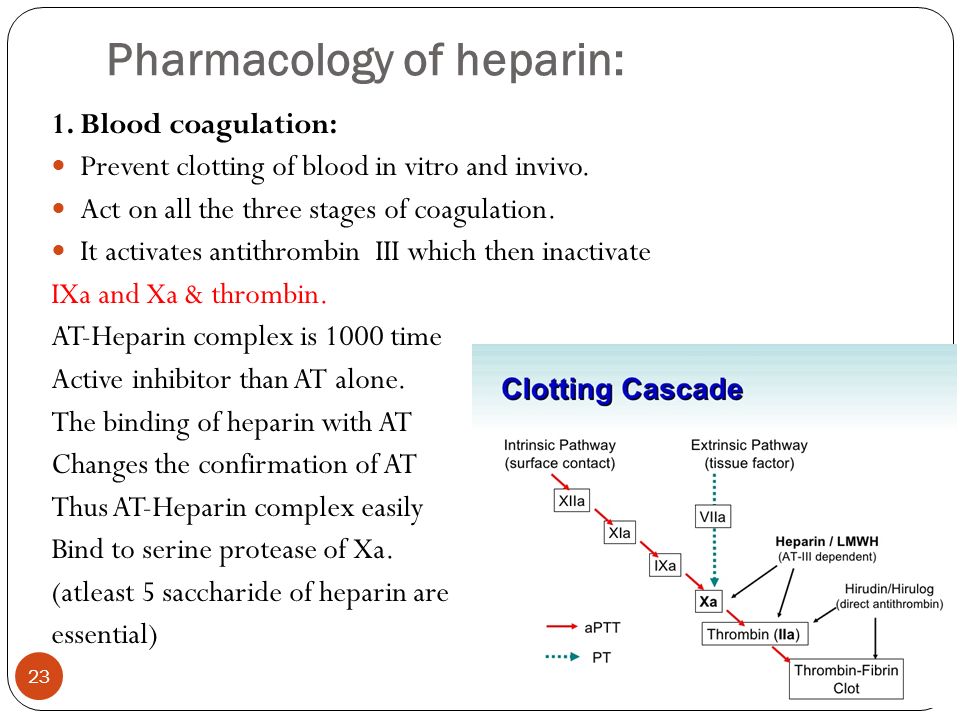
Heparin is something that I am familiar with, as well as mild coagulation defects. Heparin is not a single chemical but a complex mixture of chemicals. It impacts multiple stages of coagulation.

From Coagulation and Anticoagulants

Suppose that the natural heparin produced by the body has a defect. They do – I know from personal experience. I have the prothrombin G20210a-mutation and have been on heparin. The plead from the body for heparin provides the heparin — but it is not a complete heparin. The body keeps asking for heparin…. causing more and more histamine to be released.

The naive approach to test this hypothesis would be to take heparin!

Any Evidence?

The involvement of coagulation factors, such as tissue factor and fibrinogen, in the pathogenesis of asthma has been reported. The finding of platelet activation in asthma also indicates a link between bronchial inflammation and hemostasis. The pathogenesis of mast celldegranulation and CSU was also shown to be associated with the activation of hemostatic factors such as fibrinogen and FXIIa.

Hemostasis in Allergy. [2018]

Chronic spontaneous urticaria (CSU) [HIVES] is a common skin disorder characterized by daily or almost daily recurring skin edema and flare with itch. Recently, the activation of the blood coagulation cascade has been suggested to be involved in CSU, but the trigger of the coagulation cascade remains unclear.

Chronic spontaneous urticaria and the extrinsic coagulation system. [2018]

Mast cell heparin released upon activation provides negatively charged surfaces for factor XII (FXII) binding and auto-activation. Activated FXII, the initiating serine protease in both the contact and the intrinsic coagulation system, activates factor XI and prekallikrein, respectively. FXII-mediated bradykinin (BK) formation has been proven in the human plasma of anaphylactic patients as well as in experimental models of anaphylaxis.

The Mast Cell, Contact, and Coagulation System Connection in Anaphylaxis. [2017]

Has it been tried?

  • ” The inhibitory action of medium molecular weight heparinyl phenylalanine (MHF) on the type I allergic reaction was due to a reduction or delay in histamine release from mast cells. MHF may be a potent anti-allergic agent. ” [2019]
  • ” Chondroitin sulfate and Heparin may inhibit secretion of histamine from rat connective tissue MC, but their effect on human MC remains unknown.  ” [2018]

Bottom Line

This is just a hypothesis. I could not find any paper on testing for inherited coagulation defects of patients with histamine issues. The hypothesis is a feedback loop caused by ‘corrupt heparin’ being produced and the body asking for complete heparin. The over production of histamine is a side effect of this loop.

Mycotoxin and the Microbiome

While working on an email response to a reader’s question about mold/mycotoxins, I found this 2018 article: Mycotoxin: Its Impact on Gut Health and Microbiota.

Evidence of disturbance on gut microbiota modulation induced by mycotoxin only had been studied on animal and the results have been summarized (Table ​(Table1).1). The changes in gut microbiota can be observed up to species level in some of the studies using advance molecular approaches. However, the compositions of gut microbiota are greatly influenced by various factors during the experiment. Confounding factors affecting microbial composition and function may include diet (Cani and Everard, 2016), the exposure of environmental chemical and antibiotics (Claus et al., 2017), genetic background (Goodrich et al., 2016b), as well as the mental health condition (stress) of the host (Karl et al., 2017). These factors can explain that the microbiota in same species may not be able to reduce the level of mycotoxins. Besides, the changes in gut microbiota due to the presence of mycotoxin may contribute by some uncontrolled variables. 


Mycotoxin: Its Impact on Gut Health and Microbiota.

The highlighted text above is echo in natural observations. For example avocado cannot be handle by some bird species, chocolate and xylitol to dogs [src]. I suspect the same for humans — depending on the microbiome / DNA, sensitivity to mold is high in some and safely decomposed in others.

This may be due to explicit strains or epigenetic side-effects:

Interestingly, a study showed the ability to metabolize DON can be obtained via gut microbiota transfer in swine. However, the transfer of gut microbiota revealed no changes in the DNA-profiles of the gut bacterial composition (Eriksen et al., 2002).

Bacteria Able to Transform some toxins

From the above article, we have:

  • Anaerofilum, Bacillus Clostridiales, and Collinsella (Yu H. et al., 2010).
  • a significant increase of Bacteroides/Prevotella group and decreased concentration levels of Escherichia coli were observed after feeding the rats  with Deoxynivalenol  (DON)
  • The first study on the effect of Zearalenone (ZEA) on gut microbiota has been carried out by Piotrowska et al. (2014). …  the data showed the concentration of Clostridium perfringens, Enterobacteriaceae, and E. coli was significantly reduced 
  • showed that Lactobacillus reuteri present during the start-up period, was permanently disappeared at the end of the Ochratoxin A treatment period accompanied by some minor changes in the bifidobacteria population… the relative abundance of Lactobacillaceae was increased whereas the Bacteroidaceae was decreased. 
  • The exposure of gilts to ZEA and DON was found to pose an adverse impact on mesophilic aerobic bacteria. In particular, the amounts of C. perfringens, E. coli, and other bacteria in the family Enterobacteriaceae were reduced significantly after the 6th week of the experiment (P < 0.05)… , a study confirmed AF and fumonisin mixture increased Shiga Toxin-producing E. coli (STEC) level in fecal   

Probiotics

Prohep [Lactobacillus rhamnosus GG, heat-inactivated VSL#3, and viable E. coli Nissle 1917 (1:1:1)] successfully relieved the microbial imbalance and hepatic inflammation, which further decreased liver tumor growth (Li et al., 2016).  A human study by El-Nezami et al. (2006) demonstrated a statistically significant decrease (up to 55% at 5th week; P < 0.05) of urinary AFB-N7-guanine level in the probiotic (L. rhamnosus LC705 and Propionibacterium freudenreichii subsp. shermanii) mixture group compared to the placebo group. Similar finding was found by Mohd Redzwan et al. (2016) where serum AFB1-lys level were significantly lower (P < 0·05) in the Lactobacillus casei Shirota supplemented individuals. Besides, hepatic transcriptome in AFB1-induced HCC was positively altered by probiotics (Monson et al., 2015).

Bottom Line

From the above excellent review, I would infer the following treatment options:

  • For mold exposure, a FMT from a person subject to the same mold exposure that did not react. Why: They likely have bacteria that is able to decompose the toxins. The logic is akin to using serum from a survivor of an infection.
  • The following probiotics (I have ranked order them by my personal preference)
    1. Mutaflor – E.Coli Nissle 1917: Why: This is a robust probiotic that inhibits Shiga Toxin-producing E. coli (STEC)
    2. Lactobacillus casei Shirota (see this post on Yakult)
    3. Propionibacterium freudenreichii  (see this post)
    4. Lactobacillus rhamnosus GG (see this post “A MCS Probiotic?“)

The full text of the article is here, with links to earlier studies in the margin.