Microbiome: #4 Gut Bacteria Testing – Antibiotic shifts

A recent study on Microbiome and Crohn’s Disease included some interesting graphics.

Antibiotics impact on CD Microbiome

” we observed a strong effect on the microbial composition, and exposure to antibiotics generally amplified the dysbiosis.”

There was also a nice presentation of the shifts (NOTE: CD had excessive E.Coli, CFS has decreased E.Coli)

Screen Shot 2014-03-17 at 8.30.07 AM

Bottom Line

The above does not directly apply to CFS, but it is an excellent model of how studies on CFS dysfunctional microbiome should be studied.  For shifts in bacteria due to antibiotics, it should be done on a family by family basis.

Gut Bacteria Testings – Part 3: Available probiotics to address test results

After getting the results aggregated I reviewed the probiotics that I have suggested being beneficial, especially Prescript Assist (which I had recommended solely on the basis that it was effective for IBS).

I will call out the real interesting matches:

Bacteria Grouping Name Prescript Assist uBioma Ref Ubiome1 UBiome2 RedLab Ref RedLab1
Streptococcus Streptococcaceae Yes 0.75 -8.22 <1 Low
Corynebacteriaceae Yes (Kurha) 0.14 -24.00 -28.77
Streptococcaceae Yes (Streptomyces) 0.76 -8.23 3.51
Clostridiales Family XI Incertae Sedis Yes (Myrothecium) 2.19 -45.24 -26.99
Pseudomonadales Yes (Acinetobacter, Arthrobacter) 0.01 -7.00
Rhodospirillales Yes(Azospirillum) 0.79 -311.00 -320.00
Propionibacterium In Securil Probiotics 0.02 -16.00

This is awesome (and may explain why it works for IBS also).

Other Probiotics for low levels are:

  • Mutaflor (E.Coli Nissle 1917) – only source available
  • Securil Propio-Fidus Probiotics (for Propionibacterium, only source available
  • Align or any other ONLY bifidobacterium probiotics, for example
    • 4XProBiotic Caplets on Amazon (84 capsule for $35) – Bifidobacterium infantis, Bifidobacterium lactis, Bifidobacterium longum, Bifidobacterium bifidum. Note: Bifidobacterium infantis is the same species as Align, but not the same strain — it may be effective for IBS (no studies on pubmed)
  • Some Oral Probiotics, for example
    • Now Foods OralBiotic on Amazon (60 capsule for $14) – Streptococcus salivarius BLIS K12
    • Oragenics Evora Plus Probiotic on Amazon (30 mints for $16) – Streptococcus oralis, Streptococcus uberis, and Streptococcus rattus

You may also wish to review my earlier list of non-lactobacillus probiotics.

Time to flip the question?

Traditionally we view illness from bacteria as being caused by too much of some bacteria. After looking at these results, I am tempted to flip the question and ask “Is the illness due to too little of certain essential bacteria?”  Think of a city – garbage collectors and cops are essential but only a small percentage of the population. If they are eliminated or no one willing to do that job, the city becomes a very unhealthy place. The same analogy may apply to these bacteria that have had a major reduction in population.

Gut Bacteria Testing: Part 1 – what you get back from the labs

This is the first of a few posts looking at Gut Bacteria testings. There are many labs offering such with a wide variation of information on the information and what is tested.

The Ideal Report

Before looking at individual results, I would live to describe what I would love to see:

  • Measurements for each of the following containing:
    • Your reading,
    • Average reading of a healthy population
    • Standard deviation of a healthy population
    • Reading of the lowest 5% of a healthy population (why? I expect distributions to not be a normal bell curve)
    • Reading of the highest 5% of a healthy population (why? I expect distributions to not be a normal bell curve)
  • Measurement by the Gram-Positive species, Gram-Negative species
    • Measurement by Phylum
      • Measurement by Class
        • Measurement by Order
          • Measurement by Family
            • Measurement by Genus
              • Measurement by Species
                •  Measurement by Strain

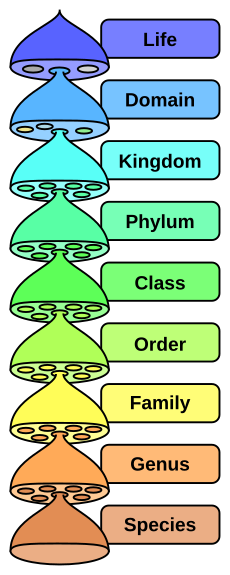
Nothing commercially available provides the above, but some are close. The diagram below is from Wikipedia commons and may help visual all of these terms.

Hierarchy

Sample Reports

My readers have been kind to send sample of their reports. All of these are for CFS patients. In my next post, I will try to create a unified view of all of the data in these samples (and any more that I get emailed to me at Ken@Lassesen.com ), combined with results from the literature. Added to this in my next post, I will also include probiotics that I am aware of that may help correct deficiencies.  

The bottom line is that it appears that the most detailed information is provided by American Gut and uBiome. No MD order is required and the cost is $100 or less. It will not be covered by medical insurance. Most MDs and NDs will likely not known what to do with the report and some may attack the significant of the report because of lacking knowledge.

Ubiome.com

At the highest level, you get a summary by phylum. They provide 18+ phylum levels. At each level they provide the average and how far from the average your are. Without any information on the range of the values seen in healthy individuals, it is hard to establish that a value is actually significant unless it is 10x or more off.

2013-11-09 uBiome - Phylum

  • At the Class level,  16+ items
  • At the Order level,  24+ items
  • At the Family level, 34+ items
  • At the Genus level, 34+ items

Total readings: 285 readings

The information is available in the JSON format and provide significant detail, one example is shown below:

{“taxon”:”186824″,”parent”:”1385″,”count”:”1″,”count_norm”:”5″,”avg”:”1.000000000000000″,”tax_name”:”Thermoactinomycetaceae”,”tax_rank”:”family”}

This allows information from different patients to be easily combined for group analysis.

Genova Diagnostics

This firm has been offering tests for many years, and appear to have kept to old technology which has limited information. Their typical report is only 8 items as shown below

Geneva Results

When known as Great Smokies (2000)
Great Smokies Report (2000)

IMHO, their measurements is very weak, they use a private rating system that appear to have tunnel vision.

AmericanGut

No sample report yet (I have ordered kits)

Red Laboratories

A sample report is below. It is much superior to Genova:

  • Far more species
  • Weakness is that the measures are “one sided” and do not provide the expected normal range.
    • Example: MD’s only give significance to High Temperatures, CFS having below (down to 96F -3F) temperature is often ignored as insignificance, while + +3F temperature is significant. 0 This one-sided perspective is seen in other tests (like SED).  When the expected value is < 25 and the patient has zero (0) – it suggests that something significant may be occurring.

Red

Bioscreen

Bio1bio2

Combating an Infection Defense Mechanism: Biofilms

Bio-films are an effective defense mechanism of both bacteria and viruses. A 2010 paper states “these extracellular infectious structures may protect viruses from the immune system and enable them to spread efficiently from cell to cell. “Viral biofilms” would appear to be a major mechanism of propagation for certain viruses. ” [2011 article] If you have reason to suspect that your CFS is related to EBV, HHV6 or other viruses, you should include treatment against biofilms. 60% to 85% of all microbial infections involve biofilms [2010]. Most, if not all, bacteria (and fungi) are capable of forming biofilms [2011]. There is evidence that HHV virus may use existing biofilms[2007]. Microorganisms growing in a biofilm are highly resistant to anti-microbial agents by one or more mechanisms [2002].

If you break down bio-films, more infections may be exposed and symptoms may increase. This is commonly called die-off or a herxheimer reaction. At the same time, having the infection exposed means that both your immune system and anti-infection agents can kill off the infections.

Classic Biofilm Breakers

  • N-acetylcysteine (NAC) is an effective biofilm breaker[Articles].  You should not take acetaminophen (Tylenol,  Anacin-3) with it(it is used for overdoses of acetaminophen). Available as a supplement. It has a half-life of 6 hours suggesting one capsule per  day. Given the long half-life, it may be taken within a few hours of any anti-infection agents.
    • WARNING: This increases histamine release
  • Ethylenediaminetetraacetic acid (EDTA) is another effective biofilm breaker [ Articles]. It can make some antibiotics up to 1000x more effective[2006]. Available as a supplement. This decreases histamine release. It has a half-life (time for the blood concentration to become half) of 45 minutes which suggesting a capsule before each meal. It should be taken with any anti-infection agents.

Why is histamine release relevant? One model of CFS is that it caused by histamine intolerance (due to overproduction).  Both Enterobacter and Klebsiella are known (major) overgrowth bacteria in CFS, and both are known to result in a high conversion of the essential amino acid histidine(found in eggs, chicken, beef, etc) to histamine. If you are interested in this, see my own blog [1] [2].

Always have the dosage and frequency of all supplements reviewed by a knowledgeable health professional before making any changes.

Herbal Biofilm Breakers

There are some herbs that have been demonstrated to inhibit biofilm formation. It appears that they are not as effective as the two supplements listed above.

Pattern for Anti-biofilms and Anti-pathogens

Continuous anti-pathogens is no recommended by same CFS Physicians, in particular, Dr. Cecile Jadin, who applied a treatment protocol to CFS that was originally developed for occult rickettsia infections in Africa half a century ago.  I discovered an interesting article from 2012  entitled “Optimal control strategies for disinfection of bacterial populations with persister and susceptible dynamics”.

“It is well-known that bacteria tend to attach to most surfaces and that this attachment becomes irreversible in the case of a biofilm colony. We have included transient attachment of the bacteria to the walls of the chemostat to incorporate this process. As the attachment rate increases, the time that it takes to eliminate the bacteria increases, which accords with intuition (since fewer bacteria are being washed out per unit time). Our results indicate that this makes constant dosing less effective since preventing growth (or keeping the bacteria in the persister state by never withdrawing the antibiotic) can eliminate the bacteria if they are washed out of the system.”

This is echoed in a 2008 article, Multidrug tolerance of biofilms and persister cells:  “Other approaches to the problem include … cyclical application of conventional antimicrobials.”

Histamine intolerance – a possible CFS mechanism

In reviewing many sites dealing with histamine intolerance as well as PubMed articles, there is more speculation than fact (especially well constructed studies).

My approach is simple to the issue of reducing histamine levels:

  • Avoid foods that are already high in histamines before entering the mouth (which is the common wisdom out there)
  • Avoid food that with the wrong bacteria in your gut, would generate histamines in the guts (this does not appear to be commonly discussed).

To understand the histamine environment, I put together a simple diagram below

histamines

The second approach means reducing eating foods in histidine, an amino acid.  Unfortunately, there is no RDA for histidine, the WHO recommends 700 mg/day. To get this:

  • 33 gm (1/3 serving) of Soy protein isolate (1 oz)
  • 50 gm of Beef (2 oz of beef)

Additionally, encourage the breakdown of histamine by encouraging the DAO reaction on histamine.

Treatment

A 2013 study found that diamine oxidase (DAO) levels are significantly low with histamine intolerance,  “our results showed the benefit of a histamine-free diet because after the diet the majority of symptoms disappeared and the serum DAO activity significantly increased.” More detail is available here. A 1993 study states that “diamine oxidase cannot be supplemented” and describe the low histamine diet as avoiding:

  • “Fish, cheese, hard cured sausages, pickled cabbage and alcoholic beverages had to be avoided.”

A 2007 article in Clinical Nutrition is available as full text and explains the process well and identifies histamine-N-methyltransferase (HNMT)  as another eliminator of histamines. A table of some foods with histamine content as well as troublesome drugs is also included.

  • “histamine intolerance seems to be acquired mostly through the impairment of DAO activity caused by gastrointestinal diseases or through the inhibition of DAO, “ which suggest that gut bacteria may be a factor for DAO levels.

Supplements that were shown effective are:

  • Vitamin C
  • Vitamin B-6 (which leaves the to supplement or to avoid question unclear)
  •  Flavonoids “Fisetin, kaempferol, myricetin, quercetin, and rutin inhibited …histamine release” [2008]

There is table of foods that release histamines (i.e. reduces the body stores of them). This list was actually confusing as several items are included that are the recommended CFS list of foods/supplements:

  • Liquorice,
  • Spices,
  • Chocolate
  • Pineapple (i.e. Bromelain!)
  • My old favorite foods during relapse:
    • nuts and
    • peanut butter!

Doing some further digging, it appears that these have not been confirmed by any clinical studies as having negative impact, rather they appear to be speculative beliefs.

A 2010 study, also available in full text, add further information such as:

  • “Some natural additives like glucose, spices, milk, vanillin, starch, orange juice, ascorbic and citric acids, showed an effective effect on disappearance of histamine and tyramine.”
  • “it was found that tomato showed a decrease in histamine and tyramine concentrations by adding spices. Strawberry and banana showed a clear decrease in histamine and tyramine concentrations by treating them with ascorbic acid [Vitamin C].”

This suggests that a proactive approach may be to soak meats and other foods with a high histamine risk in orange juice to reduce the risk or amount of histamine.

EDTA

An old 1973 article reports: “The characteristics of histamine release induced by human leukocyte lysates were determined. Intact human leukocytes released histamine during incubation with leukocyte lysates. Maximal release occurred under physiological conditions of temperature and pH, and both Ca(2+) and Mg(2+) were required. The addition of ethylenediaminetetraacetic acid abruptly inhibited release.” and this 1976 article: “The activation of human serum complement by incubation with zymosan generates C5a which releases histamine from autologous basophils. The characteristics of the C5a-induced histamine release were investigated. It is similar to IgE-mediated reactions in requiring Ca++ and in being inhibited by EDTA.

Mangosteen, a Thai medicinal plant

A 2002 article reports: “These results suggest that the 40% ethanol extract of mangosteen has potent inhibitory activities of both histamine release and prostaglandin E2 synthesis.”

Histidine Intake Reduction

Histamine is produced from histidine. This suggests that consuming low histidine foods is beneficial. A low histidine diet with a low histamine diet should be considered. We are fortunate to have detail information of histidine levels available at various sites, including:

Probiotics

In my prior post, it is clear that you wish to avoid Lactobacillus bacteria (typically in yogurt and common probiotics) because they produce L-histidine decarboxylase which converts histidine into histamine.

  • Bifidobacterium infantis and Bifidobacterium longum reduces histamine levels [2008]
  • Bifidobacterium lactis Bb-12 also reduces [2000]

My inference is that the probiotics demonstrated to be effective for IBS are likely also histamine reducers.

Green Acres – Information

My last source of information is actually one that often has been very helpful — agriculture research . We find:

  • “higher diamine oxidase activities, transforming growth factor-α, trefoil factor family and MHC-II concentration occurred when feeding 10% wheat bran fibre (WBF) or 10% pea fibre (PF).” [2013]
  • “Tributyrin (TBU) is a good dietary source of butyrate … increases… diamine oxidase” [2014]
  • ” the activities of diamine oxidase .. higher with high fermentable protein (fCP)” [2013]
  • “Zinc … decreases  diamine oxidase” [2013] Zinc dosage: 30-40 mg/day see this post
  • Fish oil ..”decreased plasma diamine oxidase (DAO) activity and increased mucosal DAO activity’ [2012]
  • Copper deficiency associated with low DAO levels [2007] [1998]
  • “Glycinin, the main storage protein in soybean,…indicating that more histamine had been released in glycinin-fed piglets than in control” [2008]

The last study suggests that soy products should be avoided totally.

Major Histamine Producing Bacteria

A 2009 paper lists some species that produces a lot of histamines.

  • Morganella morganii
  • Providencia rustigianii
  • Proteus mirabilis
  • Raoutella planticola
  • R. ornithinolytica
  • Enterobacter aerogenes
  • E. gergoviae
  • Photobacterium damselae
  • Klebsiella oxitoca
  • Hafnia alvei
  • Vibrio alginolyticus
  • Citrobacter freundii

Both Enterobacter and Klebsiella are known overgrowths for CFS.  Streptococcus thermophilus(common in many yogurts)  isolates have the ability to form biogenic amines, especially histamine, and tyramine [2013].

Some Lactobacillus do not produce significant amount, for example Lactobacillus plantarum [2012] used in some cheeses.

The Acid-Basic Connection

  • “The alkalinity of the urine excreted after histamine injection, reaching pH 7.1 to 8.0, was high compared with 5.4 to 6.9 before the injections. ” [1926] This suggests that histamine producing bacteria favors higher (alkaline pH) and suggests that an alkaline biased diet may be beneficial. See this post for more details (the post could be retitled, how does excessive histamine production starts!)