A review of supplements asked by readers.

A reader asked me for an opinion on Adrenal Rebuilder which contains

  • Proprietary Blend of Porcine glandulars (Processed to Remove Hormones) (Gonad, Adrenal Cortex, Hypothalamus,
    Anterior Pitutary), Calcium Glycerophosphate, Inositol)

It had no role in terms of my model.  Adrenal supplements have been tried for decades by CFS suffers without any significant success for remission. Some people find that it does help some symptoms for a few hours. Do not (probably) waste your money.


What about Symbioflor-1, the other probiotic from symbiopharm.de? It claims to help with upper respiratory infections — how can that be?

If you have pneumonia, you may take antibiotics and it clears respiratory infections. Probiotics produce antibiotics (in fact many antibiotics come from species that are in some probiotics). The claim is very reasonable, many CFSers have persistent coughs. What does pubmed say?

So the evidence says yes, it does help!


“What about RechtsRegulat? Dr. K believes that it works better than heparin.”

Well the ingredients are listed as

“Controlled biological cultivation of fermented fruits, vegetables and nuts, date, fig, walnut, coconut, lemon, soybean, celery, artichoke, millet, pea, saffron. Drinking water, lactic acid and Glycerin. Free of preservatives, alcohol and sugar.” – this reads like a classic “tonic”

On PubMed, there are no studies at all, this immediately raise alarm bells if something have been on the market for any length of time. Typically a study will be attempted (it pays back many fold to have a positive study) — if none are published, it implies that the study failed to show statistically significant results.

With no studies and no listing of the bacteria in the fermentation, AND high cost, I would discourage it’s use. The bacteria could be Bacillus Subtlis (which would be good) — but there is no transparency into this product. If you have some, can afford it, and it works for you fine! I simply have reservations about recommending it to anyone without studies or even a listing of the bacteria in it. I did find one study on it (not on PubMed) which reports “In microbiological tests i.e. breeding on different nutrient agars with different inoculi for different time scales gave no indication of living Lactobacillae. ” Heparin was not mentioned in this paper.


What about Pro-Symbioflor? A third product from the same company…

Well, “contains the natural intestinal bacteria Enterococcus faecalis and Escherichia coli, in inactive form.”

We have a 2013 study on it. “an autolysate of cells and cell fragments of E. faecalis (DSM 16440) and E. coli (DSM 17252) called Pro-Symbioflor. 1.5 mL of Pro-Symbioflor contains 3.0 to 9.0 107 CFU of living bacteria before inactivation.”

I recall reading articles of significant benefits from inactivated probiotics. The main positive aspect is that they will have an effect and then be washed out. With living probiotics, there is a risk of full bacteria warfare happening between probiotics and dysfunctional bacteria — a battle that can keep going for weeks — hence stopping does not result in a herx fading quickly.

If you are sensitive to probiotics, you may wish to consider this.

E. Coli and Green Vegetables

A reader asked ” I just read an article that said the sugars released in certain greens help protect the helpful strains of E. Coli once they are established in the gut. Have you run across any information on this?

This is important, because CFSers are very low (or have none) E.Coli. With two E.Coli probiotics being available, Mutaflor and Symbioflor-2 it is important to feed them when you take these probiotics to get the maximum benefit. These probiotics should be taken immediately before having the vegetables listed below.

Researching this I found the following:

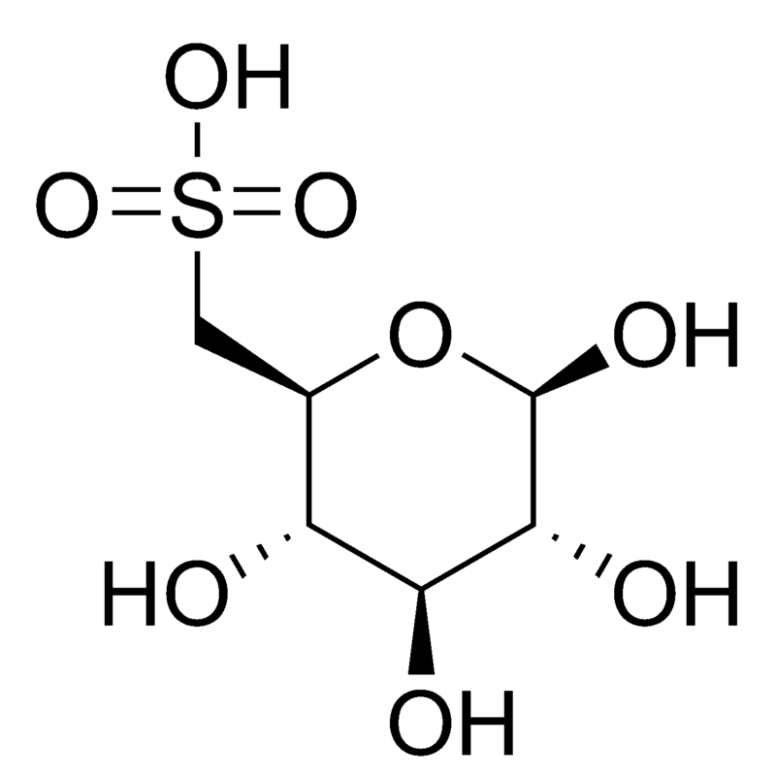
” the unusual but abundant sugar sulfoquinovose – SQ for short –  …Dr Goddard-Borger said the discovery could be exploited to cultivate the growth of ‘good’ gut bacteria. “Every time we eat we consume significant amounts of SQ sugars, which are used as an energy source by good gut bacteria,” he said.

“Bacteria in the gut, such as crucial protective strains of E. coli, use SQ as a source of energy. E. coli provides a protective barrier that prevents growth and colonisation by bad bacteria, because the good bugs are taking up all the habitable real estate,” Dr Goddard-Borger said.” [Feb 2015]

” Abundant in nature, the SQ is considered unusual because it is the only sugar that contains sulphur.” [2015]

800px-sulfoquinovose_chemical_structure

Which vegetables are high? The articles cite three, but how much is in each?  Since we are talking about a sugar, we may be able to approximate from total sugar each has.

  • Kale (100g — has 2.3 g of sugars)
  • Spinach (100 g – has 0.4 g of sugars)
  • Watercress (100 g – has 0.2g of sugars)

There is an inference in the articles that dark greens have it — but I have not been able to verify that (or the amount that each one has). ““Every time we eat leafy green vegetables we consume significant amounts of SQ sugars, which are used as an energy source by good gut bacteria.” [2015]  

What Vegetables?

“Many commonly consumed cruciferous vegetables come from the Brassica genus, including broccoli, Brussels sprouts, cabbage, cauliflower, collard greens, kale, kohlrabi, mustard, rutabaga, turnips, bok choy, and Chinese cabbage (1). Arugula, horse radish, radish, wasabi, and watercress are also cruciferous vegetables. Cruciferous vegetables are unique in that they are rich sources of glucosinolates, sulfur-containing compounds that impart a pungent aroma and spicy (some say bitter) taste” [OregonState.Edu]

I was able to locate the following table:

Food (raw) Serving in grams Total Glucosinolates (mg) % of Total
Brussels sprouts 1/2 cup (44 gms) 104 0.236
Garden cress 1/2 cup (25 gms) 98 0.392
Mustard Greens 1/2 cup, chopped (28 gms) 79 0.282
Turnip 1/2 cup, cubes (65 gms) 60 0.092
Cabbage, savoy 1/2 cup, chopped (45 gms) 35 0.078
Kale 1 cup, chopped (67 gms) 67 0.100
Watercress 1 cup, chopped (34 gms) 32 0.094
Kohlrabi 1/2 cup, chopped (67 gms) 31 0.046
Cabbage, red 1/2 cup, chopped (45 gms) 29 0.064
Broccoli 1/2 cup, chopped (44 gms) 27 0.061
Horseradish 1 Tablespoon (15 gms) 24 0.160
Cauliflower 1/2 cup, chopped 50 gms) 22 0.044
Bok Choy (pak choi) 1/2 cup, chopped (35 gms) 19 0.054

Table adapted from: McNaughton SA, Marks GC. Development of a food composition database for the estimation of dietary intakes of glucosinolates, the biologically active constituents of cruciferous vegetables. Br J Nutr. 2003;90(3):687-697. [source]

What does PubMed say? Only 40 articles

  • “. Here we show that Escherichia coli K-12, the most widely studied prokaryotic model organism, performs sulphoglycolysis, in addition to standard glycolysis.” [2014]
  • ” All these interactions with carbohydrate routes might help explain the observed anticancer activity that glucose 6-sulfonate [sulfoquinovose] has in vitro. This adds to our knowledge of how vegetables rich in glucose 6-sulfonate can also act as metabolic inhibitors of pathways that are increased in metabolic diseases.” [2012]

Problems Eating the Above?

While browsing for information I noticed items like low sulfur GAP diet. Since E.Coli is the processor of SQ, and we know that CFSers (and other conditions) can be low, or no E.Coli — I wonder if the bad response to these foods are:

  • Due to no E.Coli to process them
  • Die off of bacteria that does not like the sulfur. (note that these chemicals are a known natural pesticide).

Warning: Low iodine levels does not play well with these and can interfere with thyroid hormone synthesis.


Organic Acid tests

A reader forwarded the results of Organic Acid Tests done by Quest Diagnostic Biochemical Genetics lab. They had several abnormal results and was frustrated because their MD did not know what to do with it! In theory, it would indicate genetic mutations — in theory, but to more confident, explicit DNA testing would be needed (which is also fuzzy for interpretation).

“Approximately one thousand inborn errors of metabolism (IEM) have been identified to date primarily through the detection of endogenous metabolites abnormally accumulated in biological fluids and tissues. The laboratory discipline that covers the biochemical diagnosis of IEM is Clinical Biochemical Genetics, and is defined as one concerned with the evaluation and diagnosis of patients and families with inherited metabolic disease, monitoring of treatment, and distinguishing heterozygous carriers from non-carriers by metabolite and enzymatic analysis of physiological fluids and tissues.” [MayoClinic]

When we come to CFS patients — there is (IMHO) a significant risk of misidentifying an abnormality as being genetic instead of being due to a microbiome shift. There are several roads to go down:

  • You do not have CFS proper, you have a metabolic error
  • You do have CFS, and the abnormality is due to the microbiome shift
  • You have a metabolic error that predispose you to CFS, because over and under production of organic acids encourages a shift of the microbiome

Reviewing the literature, there is not sufficient knowledge to know which is true. We do know that DNA SNPs are associated with CFS, FM, IBS and MCS. Checking each of the thousand metabolic errors for relevant SNPs and then seeing if there are any matches with the above DNA SNPs is a massive amount of work and likely have informational value only (I am concerned about treatment value – so doing such, honestly, does not interest me).

With that said, let us see what we can find.

The Unusual Results

The first step is always to try googling/wikipedia each item. I actually found wikipedia very sparse.  The HMDB provides much more information — and are linked below. The information is “thick”, suitable for professionals above MD pay grades!

  • N-Acetylaspartic: High
    • N-Acetylaspartic acid is a derivative of aspartic acid. It is the second most concentrated molecule in the brain after the amino acid glutamate. It is synthesized in neurons from the amino acid aspartate and acetyl coenzyme A. The various functions served by N-acetylaspartic acid are still under investigation, but the primary proposed functions include:. 1) A neuronal osmolyte that is involved in fluid balance in the brain 2) A source of acetate for lipid and myelin synthesis in oligodendrocytes, the glial cells that myelinate neuronal axons 3) A precursor for the synthesis of the important neuronal dipeptide N-acetylaspartylglutamate 4)N-Acetylaspartic acid may also be involved in energy production from the amino acid glutamate in neuronal mitochondria. —
  • 2-Hydroxyglutaric: High (1 over)
    • This inhibitory effect leads to alterations in the hypoxia induced factor (HIF)-mediated hypoxic response and alterations in gene expression through global epigenetic remodeling. The net effect is that D-2-hydroxyglutarate causes a cascading effect that leads genetic perturbations and malignant transformation.
  • Ethylmalonic: Very High
    • Ethylmalonic acid is identified in the urine of patients with short-chain acyl-coenzyme A dehydrogenase deficiency, which is a fatty acid metabolism disorder.
  • Methylsuccinic: High
    • clinically characterized by neuromotor delay, hyperlactic acidemia, recurrent petechiae, orthostatic acrocyanosis, and chronic diarrhea
  • Glutaric: Low
    • Increasing lysine intake may help raise
  • Adipic: High
    • Adipic acid in the urine and in the blood is typically exogenous in origin and is a good biomarker of jello consumption. In fact, a condition known as adipic aciduria is actually an artifact of jello consumption (PMID: 1779643 ). However, certain disorders (such as diabetes and glutaric aciduria type I.) can lead to elevated levels of adipic acid and other dicarboxcylic acids (such as suberic acid) in urine. – stop eating Jello????

The Genetic Lab’s Conclusion

“The Pattern of Elevated Organic Acids does not suggest a specific inherited metabolic disorder” – So while there many reading that are off, the pattern does not match what is known — and thus there is no known treatment (since there is not a known problem!).

Take Away

IMHO, the above tests have very limited treatment information. Association with causes (beyond DNA mutations) or effective treatment is just not there.  It is totally unclear if some of these highs and lows are related to bacteria shifts (instead of DNA).

A simple example for 2-Hydroxyglutaric,  “High levels of 2-hydroxyglutarate dehydrogenase were found exclusively in organisms that use the hydroxyglutarate pathway. The data indicate that only two pathways are involved in the fermentation of glutamate by the bacteria analyzed. The methylaspartate pathway appears to be used only by species of Clostridium, whereas the hydroxyglutarate pathway is used by representatives of several genera.” [1974]

” In humans the compound is formed by a hydroxyacid-oxoacid transhydrogenase whereas in bacteria is formed by a 2-hydroxyglutarate synthase.” [Wikipedia]


Symbioflor-2: Another E.Coli Probiotic

One of my readers in Spain forwarded me a link to this Symbioflor-2. It is targeted at Síndrome de Intestino Irritable (Irritable Bowel Syndrome) and the site states that IBS has “Decrece el número de Lactobacilos, Escherichia coli y Bifidobacterias” (Decrease in the number of Lactobacillus, Escherichia Coli and Bifidobacteris).

Of course, I went to PubMed to see if any studies have been done with it:

It is NOT E.Coli Nissle 1917, but multiple E.Coli. It appears to be manufactured by Symbiopharm GmbH, Herborn, Germany:

  • Escherichia Coli G1 … G10 [2015] – having more strains of E.Coli is wonderful!
  • ” Five persons voluntarily took a single, high dose of Symbioflor®2, which contains 6 different probiotic E. coli genotypes…  Intake of the product did not result in severe side effect in any of the individuals, though mild side effects were observed. Stool analysis showed that the probiotic E. coli had colonised all five persons for a period of 10 to 30 weeks (mean: 18.7 weeks, median: 25.7 weeks)…. in two others total E. coli levels increased persistently with at least a factor of 10 as a result of the received dose. In one individual, who had lacked detectable levels of faecal E. coli at the start  long-term colonisation was established, first by probiotic E. coli exclusively, which were later replaced by host E. coli strains.  In four out of five individuals, total E. coli faecal counts were higher on average than at the start of the experiment. [2014]
  • “In an in vitro assay with human intestinal epithelial cells, E. coli G3/10 is capable of suppressing adherence of enteropathogenic E. coli E2348/69. In this study, we demonstrate that a completely novel class II microcin[antibiotic], produced by probiotic E. coli G3/10, is responsible for this behavior.” [2012]
  • ” Most (95%) patients up to age 11 were treated with a daily dose of 10 drops of Symbioflor 2 (SF2) (SymbioPharm, Herborn) (cells and autolysate of 1.5-4.5×10(7) CFU of bacteria of Escherichia coli type), in the elder children 77% received this dosage, while the remaining received a higher dose up to 30 drops/day. Treatment lasted 43 days on average…The key IBS symptoms (abdominal pain, stool frequency) as well as the other symptoms (bloating, mucous and blood in stool, need for straining at stools, urge to defecate) improved significantly during treatment.” [2010]
  • “Treatment of IBS with the probiotic Symbioflor-2 is effective and superior to placebo in reducing typical symptoms of IBS patients seen by general practitioners and by gastroenterologists.” [2009]
  • “After 3 weeks, fecal hBD-2 peptide was increased in 78% (mean 3.7-fold; P<0.0001). Interestingly, the fecal hBD-2 peptide was still elevated 9 weeks after treatment (P=0.008). In vitro studies revealed that this effect was mediated by only one out of three tested E. coli genotypes and comparable to probiotic E. coli Nissle 1917 (10- to 15-fold).” [2009] that is, in some aspects better than Mutaflor!

Be Careful of Herbs while taking it!

See my page on herb interactions, some herbs will inhibit or kill this probiotic. Do one or the other, not both together.

Amazon.De site

  • You can set it to display in English
  • The manufacturer has a store BUT will not ship to the US.
  • On the bottom left you will see stores that will ship. Most are 96-98% customer satisfaction, some with over 50,000 customers
    symb

Symbioflor-1

Of course, with a -2, one wonders if there is a -1. There is,

  • “Enterococcus faecalis Symbioflor-1 was more potent in this respect compared to all the eleven Gram-positive strains tested.”[2014]
  • ” Enterococcus faecalis Symbioflor 1 clone DSM 16431, included in a commercial probiotic product used for more than 50 years without any reports of infection.” [2013]
  • ” Tolerance towards low pH and viability after exposure to human gastric and duodenal juices were assayed.Symbioflor-1 was the most susceptible strain to these treatments when compared with the other E. faecalis strains. Furthermore, Symbioflor-1 exhibited the lowest adhesion capacity to intestinal epithelial cells (IEC) and mucus.” [2012]

Enterococcus faecalis and E.Coli work together — so I recommend taking them together. Typically starting at one drop of each in a glass of water and increasing the dosage.

Using their Dropper Bottle

Today, our shipment arrived from Germany and we were initially dumbfounded on how to use the dropper bottle! I found this video on you tube and it was now clear (and simple)


Do NOT take at the same time as C. butyricum MIYAIRISAN Probiotics

“1.1 C. butyricum MIYAIRI antagonistic effects on toxinogenic Escherichia coli and 20 E. coli strains isolated from live stocks (cows, pigs and chickens) were evaluated by the plating method. C. butyricum MIYAIRI inhibited the growth of all E. coli strains tested” [Source]

Bottom Line

This probiotics excites me so much, that I may consider a short vacation in Spain if I cannot arrange to get it in some other way. It appears to be also available on Amazon.De. Some of the stores will ship to the US!!!   The package insert is here.

“How should Symbioflor® 2 be stored? Before a bottle of Symbioflor® 2 is used for the first time, it should be stored at not below +2 °C and not above +30 °C. After breaking the seal, close bottle tightly immediately after use and keep in the refrigerator. ”

So not refrigerated shipment in viable!

Not a Treatment Plan, Not a Protocol, A Model

Often I have had to explain to correspondents that I do not have a protocol, nor a treatment plan. If you do exactly what I did for my last remission, it may not work for you. An analogy may help,

  • Protocol: Assemble a kit house (aka see Ikea Flat Pack Shelter for an example)
  • Treatment Plan: Buy a house plan and hand it to a builder to build.
  • Model: Describe what you need in the house — how many bathrooms, bedrooms, living areas  (Media room, internal outdoor plaza) etc and then figure out how to make it so.

Every person’s microbiome is unique when they were healthy, more unique than their DNA!  When they become sick with CFS, it changes in unique ways. The general pattern appears similar (three families of bacteria are overgrown, three families are greatly reduced from healthy people’s). Most infections that MDs treat are single bacteria strain or single virus.We are talking about dealing with 6 families (each family may contain dozens of species, each species may contain hundreds of strains).  Some strains may be resistant to certain antibiotics — in other cases, the entire family is resistant to certain antibiotics.

The model suggests things to try — whether any item works for you, cannot be determined. If it does not, you just move along to the next suggestion. Using the model, we can estimate the probability that certain antibiotics families may help (or hurt) as well as certain herb/spices may help (or hurt). Similarly for probiotics, some can hurt, some can help and some may do nothing.  These are not certainties, just probabilities to increase the odds of a remission.

Patient Examples

I do not like to get involved with patients. I am not a medical professional. All education received from this site should be reviewed with a knowledgeable medical professional before starting.  Some readers do ask for help and forward very deep and comprehensive medical records. I will do 1-2 reviews a month, and make suggestions (to be reviewed by their medical professionals!!). Often, these correspondences reveal issues that cognitively impaired CFSers have trouble with (no brain to research) etc. This is compounded by the fact that the model while simple to understand, is very complex to derive treatment paths from. Most CFSers would prefer a protocol to blindly follow.

With that said, I will look at a CFS patient in Spain and put together suggestions with explanations of why for them. Spanish MDs seem friendlier to prescribing some items to CFSers than US MD’s.

Patient has known Hypoperfusion

Hypoperfusion is inadequate supply of oxygen (and nutrients) to body organs. This is seen in some 80-90% of CFS patients when a SPECT scan is done. It was seen in mine, it is seen in others. Dr. Daniel Amen (seen on PBS often) does a nice short summary (one of my daughters had her SPECT done by him – with over 60% of the brain showing hypoperfusion). Hypoperfusion and hypoxia (altitude sickness due to low oxygen) are related in symptoms.

The cause of this hypoperfusion is probably hypercoagulation (thick blood – and thus slow moving, hence less oxygen delivered) and fibrin (thin threads that can form, often they will block or slow the movement of red blood cells, and is suspected to be the cause of odd looking red blood cells reported from New Zealand).

My number #1 recommendation is a heparin-piracetam cocktail! Heparin is the body’s natural anticoagulant (thus you are treating hypercoagulation naturally). Normally it is injected, but it can also be done sublingual (under the tongue) [2004]

For other items see  Fibrinolytics page.

NOTE: These impacts brain fog, you may be feeling better — do not assume that your physical restrictions are also fixed. Do NOT EXERCISE as a result, you will just be setting yourself up for a crash!

What to do first?

Working with another Spanish CFS patient, their main concern was gut issue. This was a good starting point, it is a small target that is easy to monitor (number of movements, types of movements, etc) and thus provide concrete object monitoring.  That patient has been very happy with the improvement to date, we have more to do — but their family have seen the change and are now supportive of continuing.

This patient wanted to fix the microbiome first when I asked what symptom. The patient want’s big steps instead of small steps like the other patient. A small step approach is best, but the personality  type that often gets CFS are often addicted to big-steps.

First Step For the fast pace person

Heparin and piracetam can be done at the same time with everything below. There is no know interactions. Hence, they need to get a heparin prescription. Heparin dosage will be as set by their MD. For piracetam,  I would suggest 1600 mg, 1 hr before the heparin is done sublingual (based on absorption time/half life of piracetam). ALA may also be taken at the same time.

The Path to Herx Pugatorio!

The first item would be a prescription for minocycline (? 2-4 weeks). This will also help with brain fog. It is well documented as a neuroprotector. IF there is no herx, then add in (slowly) bromelain, serrapetase, lumbrokinease and nattokinease. All of these items do two things:

  • Increases penetration of minocycline into tissue by up to 10x
  • Dissolve fibrin (thus improves blood flow).

I cannot caution enough that they need to be slowly introduced at a very low dosage and slowly work up. The herx can be sudden and massive. Taking EDTA and/or NAC with the minocycline will also increase herx. Both EDTA and NAC are biofilm breakers and thus make the minocycline more effective against the family of bacteria that this targets.

Concurrent (at the same time) as the above, take the following probiotics (adding one every 3 days unless a major herx occurs):

These appear not to be significantly impacted by minocycline. The hope is that they will fill up the microbiome space of the bacteria killed by minocycline.

Once the herx has stopped from minocycline  (and you have added all of the items to increase herx), then it is time to stop the minocycline and switch to herbs.  Keep taking the 3 probiotics cited above.

  • Get fresh Thyme, grind it and pack  it into “00” capsules. slowly work up to 6-8 per day
  • Get fresh Oregano, grind it and pack  it into “00” capsules. slowly work up to 6-8 per day
  • Add 6-8 capsules of Neem slowly
  • Add 6-8 capsules of Tulsi slowly
  • Add 6-8 capsules of Olive Leaf slowly
  • Get some Mastic Gum for chewing (I buy mine from Greece) and start chewing

I would suggest you stop EDTA, NAC, Bromelain, etc when you switch and then slowly add them back in.

  • 1500 – 2000 mg of Vitamin B1 per day. 1500 mg is the threshold for improvement. Lower dosages may have no results. – changes should occur with in 7 days, per study
  • 1 l of Gerolsteiner a day (split over meals) – provides easily absorbed minerals and should change microbiota.
  • 15,000-20000 IU of Vitamin D3. This level will cause improvement over a few months


At this point, we need to take stock of what symptoms remain. It will likely be time to add additional probiotics (Mutaflor, etc). There probiotics are likely to be killed off by some of the above herbs, so we wait.