Frustrated with no results from Probiotics

A frustrated reader wrote

“Hi, Ken. I am diagnosed with CFS, FM, MCS, LYME DISEASE and I am celiac. I have read your article about taking lactobacillus and CFS. However, in my case I have very low lactobacillus and can not raise them. I also have high clostridium species  but not clostridium difficile . I have done several treatments based on antibiotics selective only for the intestine – intestinal dysfunction.  I am not having results with suppositories based on natural herbal extracts that a naturopath friend from Germany brings me.

I’m still the same. I have taken probiotics only with lactobacillus -Ther Biotic Factor 1- and now I am with ther- Biotic complete. I would like to know your opinion. I have been testing different probiotics for 5 years without any results. A million thanks”

To start, supplementing with lactobacillus probiotics will not cause your lactobacillus to increase. Most lactobacillus probiotics do not take up residency. They will just hang around for a few hours and be gone — see this post for studies. This issue is made more complex because while they are in your system for a few hours, they will also be killing off bacteria families that you are low in.

You have to encourage the remnants of your own lactobacillus to grow.  There are several ways that may be needed:

  • [ROTATE] Killing off the bacteria that kills off the Lactobacillus…  At present, I would suggest as a (gentle) starting point:
  • [CONTINUOUS] Providing suitable foods (that we know are missing in CFS patients because the bacteria producing these metabolites have been devastated)
    • B-12, Methylcobalamin – 1000 mcg/day
    •  CoQ10   300mg/day – ideally with a few ounces of Grapefruit juice.
    • B9 as Folinic Acid (the bioactive form) 1000 mcg/day
    • Personal Note: After doing the above post, I started taking precisely what was suggested. While fully recovered from CFS, I had residue severe psoriasis on my heels with very deep cracks. Within two weeks, the cracks disappeared and the heels have been growing healthier every week.
      • WARNING: Some people can respond with severe anxiety, see this external post.
    • Vitamin D3 – 15,000 IU/day see this post for it’s impact on Vitamin B production
  • [ROTATE] Population by probiotics known to take up residency (and thus can start making the environment friendlier to lactobacillus)
    • E.Coli probiotics are my first choice.
      • Mutaflor – a comment reads “After trying a number of suggested supplements, I wasn’t expecting much but mutaflor resulted in a complete symptom remission in only 3 days with no herx reaction. I thought I was cured but, sadly, after about a month mutaflor’s effectiveness dropped to almost nothing.
      • Symbioflor 2: see this post for some readers’ experience
    • Bifidobacterium probiotics (with no lactobacillus) see this post for what’s available and relative costs

My model is simple to understand: “There is a shift across dozen of bacteria families — the shifted (bad) families cross support each other making it hard to undo. Some item X may reduce 90% of dominant (bad) species, resulting in apparent remission — but the remaining 10% become resistant and slowly regrow — resulting in a relapse. You have to slowly repopulate across multiple good bacteria families until they are able to keep the bad bactera in control (ideally evict them).”

This means that you need to keep rotating herbs, spices, probiotics, antibiotics, at least every two weeks (every week is fine!). The 10% that survived week#1 are unlikely to survive a different antibacterial that uses a different mechanism. You may be down to 1% — but 1% can still regrow… so it is constant rotation even after symptoms disappears. You may later go to one week on and 1-2 weeks off; keeping a close monitor on symptoms.  Mutations will cause resistance constantly — thus you must keep ahead of the mutations by constant changing of antibacterials.

Bottom Line

I do not have a treatment plan or a protocol.  I have a model. I also consolidate clinical results from PubMed.  My goal is to just provide a list of candidate substances to try (in discussion with your knowledgeable medical provider) which are more likely to help than randomly trying things.  These candidate substances are also consistent with the model, for example —

  • Low B12 –> no/low Lactobacillus Reuteri (which produces B12) –> verified from lab results
  • Low B9 –> no/low Bifidobacteria (which produces B9) –> verified from lab results
  • Low Vitamin D3 –> low production of B vitamins
Traditional Resins/Gums

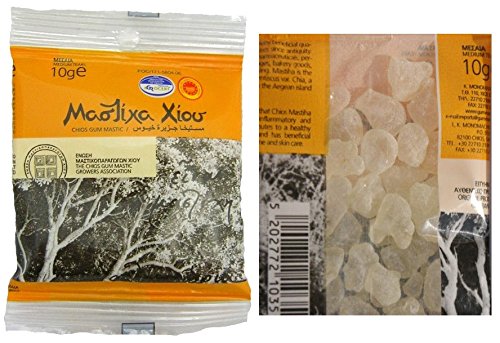
Many gums or resins from trees have favorable profiles. One of my favorite is greek mastic gum which you can buy raw and chews just like a gum. It reduces bacteria in the mouth and do a ton of healthful things. I have a strong preference to medications that have been used successfully for thousands of years over newly developed drugs with unknown risks for long term use, and sometime short term use.

“The Jerusalem Balsam, a remedy based on an ethanolic extract of a herbal mixture, was formulated in 1719 in the pharmacy of the Saint Savior monastery in the old city of Jerusalem… one of the formulas, found in a manuscript form in the archive of the monastery, contains four plants: olibanum (Boswellia spp.), myrrh (Commiphora spp.), aloe (Aloe sp.) and mastic (Pistacia lentiscus L.). We conducted pharmacological assays on this four-plant formula. It showed anti-inflammatory, as well as anti-oxidative, and anti-septic properties.” [The Jerusalem Balsam: from the Franciscan Monastery in the old city of Jerusalem to Martindale 33. 2005]

Also see:  Medieval Pharmacotherapy Continuity and Change Case Studies from Ibn Sına and some of his Late Medieval Commentators [2009 – Full Book 815 pages]

“The most promising plant and herbal products [for inflammatory bowel disease] were tormentil extracts, wormwoodherb, Aloe vera, germinated barley foodstuff, curcumin, Boswellia serrata, Panax notoginseng, Ixeris dentata, green tea, Cordia dichotoma, Plantago lanceolata, Iridoidglycosides, and mastic gum. ” [2016]

  • The most important clinical trials conducted [ in inflammatory bowel disease] so far refer to the use of mastic gum, tormentil extracts, wormwood herb, aloe veratriticum aestivum, germinated barley foodstuff, and boswellia serrata. …boswellia serrata gum resin and plantago ovata seeds were as effective as mesalazine, ” [2015]
  • “Taken together, allergic reactions to Christmas tree, poinsettia, Christmas cactus, perfumed candles, Christmas typical food, common gifts like mobile phones and laptops, frankincense, myrrh and pollens have been described but in very rare instances. ” [Christmas from an allergist’s perspective 2016].

The “tear form” which is chewed like gum (unlike powder in capsules) and then swallowed have several advantages:

  • Reduce bacteria in the mouth (a likely reserve of bacteria that may repopulate the gut) and greatly improve mouth health!
  • Allows the active compounds to enter the body via the sublingual route
  • Impacts the entire digestive system.

The first question many people may have is “Where do I get these tears?”. I recently discovered an Online shop in Greece that sells all of these tears: YouHerbIt.

Suggested use: Use one for a week and then rotate to the next.

Mastic Gum

mastic

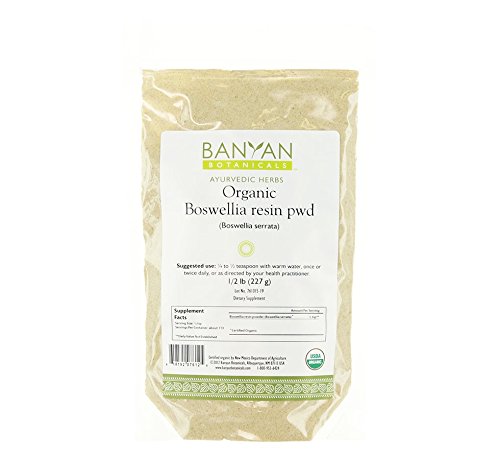
Boswellia Serrata/Frankincense gum resin [Commiphora…]

boswellia

“The gum resin of Boswellia serrata (BS), a traditional treatment of Ayurvedic medicine in India also identified as Indian frankincense, Salai Guggal, or Indian olibanum, has been used for centuries as a remedy for many health problems [1996].”

Myrrh Gum [Commiphora… ]

Chromium and Conjugated Linoleic Acid

On one of the facebook groups I followed, a member indicated remission/major improvement and gave some details in a post.

  • ” Well it went better than I expected as I discovered a little known gem that resolved ALL of my metabolic related issues in 1 month and I felt GREAT!!”

When some reports come across my screen, I like to explore them to see if there is a sound basis for improvement (or a RISK to others). It may work for a small group of patients, but not for most. Alternatively, there may be a risk to the pocket book (i.e. someone indirectly/cleverly selling something).

The Magic?

“1,000 mcg a day [of chromium picolinate] is the magic number not 600. Combine the chromium with CLA [Conjugated Linoleic Acid]”

Chromium Picolinate

Some risks at 1000 mcg, low risk — but for the sake of full disclosure.

  • “The only adverse effects of chromium picolinate I’ve read about occurred in isolated cases. In one, a woman who took 1,200 to 2,400 mcg daily over four to five months developed kidney failure and impaired liver function. In another, kidney failure occurred five months after taking 600 mcg of chromium picolinate daily for six weeks. And, a healthy 24 year old man reportedly developed reversible, acute renal failure after two weeks on a supplement that contained chromium picolinate as the main ingredient.” [Dr.Weill]
  • “Chromium is LIKELY SAFE for most adults when taken by mouth, short-term. Up to 1000 mcg/day of chromium has been used safely for up to 6 months.

    Chromium is POSSIBLY SAFE for most adults when taken by mouth for longer periods of time. Chromium has been used safely in a small number of studies using doses of 200-1000 mcg daily for up to 2 years. Some people experience side effects such as skin irritation, headaches, dizziness, nausea, mood changes and impaired thinking, judgment, and coordination. High doses have been linked to more serious side effects including blood disorders, liver or kidney damage, and other problems. It is not known for sure if chromium is the actual cause of these side effects.” [WebMd]

CFS/IBS/FM

Only a single significant reference, but an interesting one!

  • “The low Nickel (Ni) diet induced a significant and constant improvement of gastrointestinal symptoms and an equally significant improvement of visual analogue scale [in IBS]. Mean urinary output of ⁵¹Chromium ethylene-diamine-tetra-acetate (⁵¹Cr-EDTA) was 5.91%/24 hr (± 2.08), significantly different from the control group (2.20%/24 hr ± 0.60, P < 0.0001).”
  • What to avoid in the low Nickel Diet is described in this PubMed article [2013]. The items to avoid are also the items in the Mediterranean Diet. Ugh. This article does mention “Vitamin C, orange juice, tea, coffee, milk inhibit nickel absorption in human[34]” As a side note, the shift of diet would induce a microbiome shift — so it may not be nickel that’s the issue, rather nickel is incidental (right treatment — wrong attribution).

Microbiome

Coagulation

  • “Sodium chromate inhibits platelet function in vitro. ” [1970]

General

  • “Additionally specific selected nutritional compounds, e.g. calcium, chromium, folate, PUFAs, vitamin D, B12, zinc, magnesium and D-serine have been postulated to be used as ad-on strategies in antidepressant treatment. In this context, dietary and lifestyle interventions may be a desirable, effective, pragmatical and non-stigmatizing prevention and treatment strategy for depression.” [2015] This list matches the pattern that I am advocating for CFS, implying that chromium is a reasonable choice.
  • Chromium supplementation for adjuvant treatment of type 2 diabetes mellitus: Results from a pooled analysis.[2017]
    • “notably favorable effects were presented in T2DM subjects ingesting chromium chloride and chromium picolinate formulations.”
  • NON-PHARMACEUTICAL INTERVENTION OPTIONS FOR TYPE 2 DIABETES: Diets and Dietary Supplements (Botanicals, Antioxidants, and Minerals)[2014].
    chrom

    • this meta-analysis of RCTs showed no effect of chromium on glucose or insulin concentrations in non-diabetic subjects, and data for persons with diabetes are inconclusive.”
    • “these studies suggest that the form of chromium influences the study results, and that the picolinate form provides greater efficacy”
    • ” recent study has found that chromium picolinate (500 and 1000 μg daily for 6 months) was ineffective at reducing HbA1c in obese, poorly-controlled, insulin-dependent individuals with T2D”

Conjugated Linoleic Acid

CFS/IBS/FM

  • “Dietary CLA-supplementation upregulated colonic PPAR gamma expression and contributed to delaying the onset of experimental Irritable Bowel Disease “
  • “Supplementation of CLA in the diet before the induction of colitis decreased mucosal damage” [2002]

Microbiome

Coagulation

  • “the blood-clotting parameters and in vitro platelet aggregation showed that adding 3.9 g/d of dietary CLA to a typical Western diet for 63 d produces no observable physiological change in blood coagulation and platelet function in healthy adult females. Short-term consumption of CLA does not seem to exhibit antithrombotic properties in humans.” [2001]

Bottom Line

Taking B12 supplements because of low/no Lactobacillus Reuteri  in CFS Patients (the producer of B12 in humans) improves CFS symptoms. Since CLA is produced by bifidobacteria (also low in CFS patients), supplementing with CLA may have similar benefits for CFS Symptoms. Unfortunately, there are no studies testing this in actual patients. I would give CLA as a thumbs-up as a potential supplement without clear evidence (but no apparent risk).

Chromium supplementation is much trickier because there is a low risk factor involved. If you are diabetic or pre-diabetic, consult with your MD. There is no clear evidence that it  will help (nor that it would hurt). I have no recommendation on this.


“Do no harm” …unless it’s CFS

“The path to CFS Patients’ Hell is paved with physician’s best intentions”. A few days ago, I was pinged by an old friend who was working with Rich Van Konynenburg, Ph.D, before his sudden death in 2012. In the subsequent years, she has suffered ‘consequences’ from some physicians who attempted to treat her.

This post looks at why CFS patients should ask for (demand) evidence based studies behind any recommendations from physicians.

Her current state:

  • Low serum immunoglobulin M  (Igm) – aka  hypogammaglobulinemia (almost 8000 articles on PubMed)
    • “The spleen, where plasmablasts responsible for antibody production reside, is the major site of specific IgM production.”
  • Low B cells (a lymphocyte not processed by the thymus gland, and responsible for producing antibodies.)
    • ” cells mature in the bone marrow, which is at the core of most bones.”
  • And to add severe pain to the mixture — shingles that is not responding to antivirals.
    • The two items above results in patients catching infections easily (unlike the typical CFS patient who almost never get sick)

How much of this is seen with CFS?

The answer is a big yes — for those CFS patients that have had rituximab therapy. Whether this person had this therapy, or some other treatment that caused the same consequence is immaterial

CFS Literature on rituximab

  • “Unless there is enough evidence for neuroinflammation, aggressive immunotherapies like rituximab should not be considered. ” [2017]
  • ” The use of rintatolimod and rituximab as well as counselling, behavioural and rehabilitation therapy programs may be of benefit for CFS/ME, but the evidence of their effectiveness is still limited.” [2017]
  • “Clinically significant responses were seen in 18 out of 28 patients (64%) receiving rituximab maintenance treatment. For these 18 patients, the mean response durations within the 156 weeks study period were 105 weeks in 14 major responders, and 69 weeks in four moderate responders. ” [2015] – so the improvement is temporary!
  • “defined as lasting improvements in self-reported Fatigue score during follow-up, was seen in 10 out of 15 patients (67%) in the Rituximab group and in two out of 15 patients (13%) in the Placebo group (p = 0.003).  Mean response duration within the follow-up period for the 10 responders to Rituximab was 25 weeks (range 8-44). ” [2011]  so the improvement is temporary!
  • ” Patients 1 and 2 had major amelioration from 6 weeks after intervention, patient 3 slight improvement from the same time, but then improved markedly from 26 weeks after intervention. The symptomatic effect lasted until weeks 16, 18 and 44, respectively. ” [2009]

Recovery Options

Bottom Line

This is one example of a sad pattern that I have seen time and again. Treatment is advocated with a blinkered happy outlook (at work, we say “we’ve been popping happy (case) pills!”) ignoring the adverse cases. Often it ends up being viewed as 6 improved (statistically), 3 had no effect and 1 is worse.  How much worse is immaterial when physicians are popping optimistic pills. A marginal improvement of 6 people seems to be more important than severe long term damage to just 1 patient.

This problem is made far worse because patients are suffering from brain fog. Asking the physicians to produce the studies that they are basing their protocol on is essential. The studies should be on humans and clear. If you cannot understand the studies, feel free to forward them to me for an independent opinion.


Reading Hopeful News reports and scientific reports

A reader forwarded me exciting news about lidocaine and positive results for CFS. The common term often used today is “Fake News”.  in many cases, the less severe “Misleading News” could be used. I prefer to use “hopeful news” – because the writing paints a future hope that may somehow be realized (and with 20 years seeing these hopes too often disappointed).

The article was in Spanish and is here. An english version on ProHealth states

  • “These results demonstrate that lidocaine injections reduce clinical fatigue of CFS patients significantly more than placebo, suggesting an important role of peripheral tissues for chronic fatigue. Future investigations will be necessary to evaluate the clinical benefits of such interventions.”

The actual study (full text is here). In reading any articles we look for things demonstrated:

  • To have statistical significance (CFS symptoms vary from day to day — was the change seen just happenstance? )
  • How many were positive results? negative results? no result?
  • How many items were measured and how?
    • Self-evaluation is very prone to suffer from placebo effects. Sugar pills improve many conditions!

Let us quote from the article:

“Fatigue ratings of CFS patients decreased significantly more after lidocaine compared to saline injections (p = 0.03). In contrast, muscle injections reduced pain, depression, and anxiety (p < 0.001), but these changes were not statistically different between lidocaine and saline (p > 0.05). ”

Ouch, fatigue rating — means self-perception. Lidocaine is a pain killer which is known to work. Reduction of pain usually results in less fatigue. Saline solution is not a pain killer. The alternative should have been an equivalent pain killing drug. Bad design! You may be testing pain killers not lidocaine!

The slight of hand is claiming “reduced pain, depression, and anxiety” — which BOTH saline and lidocaine did.  Saline doing short term pain relief etc is documented in this post with the main mechanism being improvement of blood flow (an anticoagulant effect). There was no difference between lidocaine, a saline solution and I suspect almost any anticoagulant — even plain aspirin. Another poor design choice. They claimed “This study used a parallel group, double-blind, placebo-controlled design.” Unfortunately, there was no placebo! Saline solution impacts CFS patients positively – Jen Brae can definitely confirm that in her own experience.

Some method notes:

  • “Ratings of overall fatigue, pain, and mood were obtained before and 30 min after the muscle injections” — so the conclusion is valid for exactly 30 minutes after injection. Whether there is any significant change the next day or week was not measured (or was not reported).
  • “that lidocaine was only more effective than saline in increasing mechanical pain thresholds at the shoulders but not at any other location.”
  • They cited using tables from a “Cohen” but there is no citation in the reference for a Cohen. Third party tables not done on CFS patients are very suspect — the metabolism of drugs by CFS patients can be very different than that of normal patients.
  • There was no breakdown of individual responses. “Averages” can be very deceitful (especially with small studies). A few very good responders can result in a major increase of the average. It may work for 10% and do nothing for 90%.
  • “The blood samples were immediately sent to the laboratory for analysis.” There was no mention of the results … did any lab results changed?
  • “These results demonstrate that lidocaine injections reduce clinical fatigue of CFS patients significantly more than placebo, suggesting an important role of peripheral tissues for chronic fatigue. Future investigations will be necessary to evaluate the clinical benefits of such interventions.” There was no Placebo…
    • “the injections you are going to receive contain either a local anesthetic or an inert substance”.  This is false — saline solution is not inert.

Bottom Line

Many readers forward me latest studies and ask for an analysis and comments. Why me?

  • I do not suffer from brain fog
  • I have been reading medical journals since I was 15 (part of a special enrichment program)
  • I have worked as a professional statistician and know how to take apart a study
  • I have been a high school general science teacher (and also chemistry and physics at College level)

This post tries to give a framework for less brain-fogged individual to work from (and hopefully challenge my readings and conclusion based on published evidence studies).

View of this Study

The people doing the study constructed it poorly. There is evidence that they are not well familiar with all of the prior related studies for CFS. There should have been scatter gram showing for individuals the before and after values for each measurement.

Should CFS patients ask for this based on the evidence in this study? No — the effect may last for only 30 minutes, one could easily speculate that common aspirin could have the same or better effect.

Let us look at stuff cited in an interview…

“Los investigadores anotaron que los hallazgos sugieren que los músculos y otros tejidos periféricos están involucrados en la fatiga crónica. Concluyeron que las inyecciones de lidocaína ayudaron a bloquear la señalización anómala de los metabolitos musculares.”

“The researchers noted that the findings suggest that muscles and other peripheral tissues are involved in chronic fatigue. They concluded that injections of lidocaine helped block abnormal signaling of muscle metabolites.”

They produced no lab results showing “abnormal signaling of muscle metabolites” before the injections or a change after the injections….  “Show me the beef! (evidence)”