Increasing Faecalibacterium

I did a post earlier on a CFS patient whose labs reported high level (a subset, possible very small) and what could be done to reduce a specific strain. Ian Lipkin study found (on average) low levels for:

  • Faecalibacterium prausnitzii
  • Faecalibacterium cf

Some microbiome results have high faecalibacterium, to reduce it, see this post https://atomic-temporary-42474220.wpcomstaging.com/2017/10/11/reducing-faecalibacterium-genus/ (that page will be updated regularly when new studies are published).

For updated information see Microbiome Prescription

This page is no longer being updated.

UPDATED INFO:

I will look at the faecalibacterium  [Index to all posts on Study].  It’s relationship is shown below

fae

Faecalibacterium (formerly Fusobacterium) prausnitzii (1995) is one of the three most abundant species detected in human feces by anaerobic cultivation (1995) and consists of many stains [2012] as shown below. As with all families, there can be some black sheep: Faecalibacterium prausnitzii subspecies-level dysbiosis in the human gut microbiome underlying atopic dermatitis [2016].

f2

Items to Increase (take)

  • Prescription
    • Rifaximin appeared to influence mainly potentially detrimental bacteria, such as Clostridium, but increasing the presence of some species, such as Faecalibacterium prausnitzii.” [2015] [2011]
    • “α-glucosidase inhibitor acarbose …48 OTUs increased by 12.8-fold, including Lactobacillaceae (8 of 9 belonging to Lactobacillus), Ruminococcaceae (6 of 11 belonging to Faecalibacterium)” [2017]
  • Probiotics
  • oligosaccharides /fibre or similar
    • “The ranking order of butyrate production rates was amylopectin > oat xylan > shredded wheat > inulin > pectin (continuous cultures), and inulin > amylopectin > oat xylan > shredded wheat > pectin (batch cultures). The contribution of external acetate to butyrate formation in these experiments ranged from 56 (pectin) to 90 % (xylan) in continuous cultures” [2004] – Faecalibacterium consumes acetate and produces butyrate.
    • “Relative abundance of lactose-fermenting Bifidobacterium, Faecalibacterium, and Lactobacillus were significantly increased in response to short-chain galactooligosaccharide.” [2017]
    • soybean oligosaccharides..increased the diversity of intestinal microflora and elevated (P < .05) the numbers of some presumably beneficial intestinal bacteria [2014]
    • inulin stimulated colonization by Faecalibacterium prausnitzii, which has anti-inflammatory effects,”[2009] [2013] 10% increase [2009]
    • Kestose[a fructooligosaccharide] efficiently stimulates the growth of this bacterium in the intestine,” [2016]
    • “numbers of lactobacilli, bifidobacteria (P<0.001) and Faecalibacterium prausnitzii (P<0.05) were higher in the low-fat/high-fiber pigs  than in high-fat/low-fiber pigs,” [2016] [2016]
    • “Associated growth of levan-degrading (e.g. Bacteroides) and butyric acid-producing (e.g. Faecalibacterium) taxa was observed in levan-supplemented media.” [2015]
    • Potato fibres [PF]…increases in the proportion of Faecalibacterium (not Lactobacillus/Bifidobacterium, as confirmed by qPCR analysis)  with increasing dietary PF concentrations suggest that PF is a possible prebiotic fibre.” [2015]
    • Resistant maltodextrin (RM)..was associated with statistically significant increases (P < 0.001) in various operational taxonomic units matching closest to ruminococcus, eubacterium, lachnospiraceae, bacteroides, holdemania, and faecalibacterium, implicating RM in their growth in the gut.” [2014]
    • resistant starch… increased the relative abundance of several butyrate-producing microbial groups, including the butyrate producers Faecalibacterium prausnitzii and Megasphaera elsdeni” [2013] [2013]
    • arabinogalactan… was associated with a statistically significant increase in the concentration of total bacteria, Bacteroidetes, Faecalibacterium prausnitzii” [2013]
    • Isoflavones[beans] alone stimulated dominant microorganisms of the Clostridium coccoides-Eubacterium rectale cluster, Lactobacillus-Enterococcus group, Faecalibacterium prausnitzii subgroup, and Bifidobacterium genus.” [2005]
  • sodium butyrate increased the relative abundance of Bacteroides and Faecalibacterium” [2016] – Faecalibacterium produces butyrate, so there appears to be a feed back cycle here.
  • Diet
    • “after a specific carbohydrate diet, there was an increased representation of Faecalibacterium prausnitzii, an anti-inflammatory commensal.”[2016]
    • “Subjects with higher adherence to a Mediterranean dietary pattern presented…higher levels of Clostridium cluster XVIa and Faecalibacterium prausnitzii.” [2017] [2016]
    • “Vegetarian diet was associated with higher ratio (% of group-specific DNA in relation to all bacterial DNA) of Bacteroides-Prevotella, Bacteroides thetaiotaomicron, Clostridium clostridioforme and Faecalibacterium prausnitzii, but with lower ratio (%) of Clostridium cluster XIVa…Up to 4 % of variance in microbial community analyzed .. could be explained by the vegetarian type of diet.” [2014]
    • high high carbohydrate/low glycemic index and high saturated fat diet increased Faecalibacterium prausnitzii” [2013]
    • Increased gut microbiota diversity and abundance of Faecalibacterium prausnitzii and Akkermansia after fasting: a pilot study [2015].
  •  Foods
    • “The relative abundance of Akkermansia and Faecalibacterium, genera associated with healthy gut mucosa and anti-inflammation, was found to increase in response to lingonberry intake.” [2016]
    • cocoa husks …increased the Bacteroides-Prevotella group and Faecalibacterium prausnitzii,” [2016]
    • “Broad beans (Vicia faba) and lupin seeds (Lupinus albus) are legumes rich in a wide range of compound … increased significantly (P < 0.05) were Bifidobacterium spp., Lactobacillus-Enterococcus, Atopobium, Bacteroides-Pretovella, Clostridium coccoides-Eubacterium rectale, Faecalibacterium prausnitzii and Roseburia intestinalis.” [2015]
    • red wine polyphenols significantly increased the number of fecal bifidobacteria and Lactobacillus (intestinal barrier protectors) and butyrate-producing bacteria (Faecalibacterium prausnitzii and Roseburia) at the expense of less desirable groups of bacteria such as LPS producers (Escherichia coli and Enterobacter cloacae).” [2016] i.e. RED Grape Seed Extract
      • dihydroflavonols were directly associated with Faecalibacterium … red wine was the best contributor to Faecalibacterium variation.” [2015]
    • “Most F. prausnitzii strains tested grew well under anaerobic conditions on apple pectin…..Many F. prausnitzii isolates were able to utilize uronic acids for growth …Most strains grew on N-acetylglucosamine” [2012]
    • “Dietary capsaicin [cayenne peppers] increased the Firmicutes/Bacteroidetes ratio and Faecalibacterium abundance,” [2016]
    • Curcuma longa[turmeric] and Scutellaria baicalensis [Chinese Skullcap] used as feed additives…S. Enteritidis, Faecalibacterium, and Lactobacillus, both bacterial genera with known positive effects on gut health were positively selected” [2015]
    • “was more abundant in the raffinose[beans, etc] diet and the chickpea diet” [2010]
    • MSG promoted the colonization of Faecalibacterium prausnitzii” [2015]
  • “several experiments involving downshifts to pH 5.5 resulted in Faecalibacterium prausnitzii replacing Bacteroides spp. as the dominant sequences observed.” [2016]
  • “correlation to vacuum cleaning frequency, with an increase in Faecalibacterium prausnitzii for mothers” [2015]

Items with no effect

  • L. paracasei F19 [2015] ..
  • Blueberry [2012]

Items that decrease (avoid)

  • :Metronidazole… known to decrease anaerobes such as Faecalibacterium” [2016]
  • “This case study investigated changes of gut microbiota with an omega-3 rich diet. Fecal samples were collected from a 45-year-old male who consumed 600 mg of omega-3 daily for 14 days. After the intervention, species diversity was decreased, but several butyrate-producing bacteria increased. There was an important decrease in Faecalibacterium prausnitzii and Akkermansia spp. Gut microbiota changes were reverted after the 14-day washout.” [2016]
  • proton pump inhibitor…was accompanied by a lower abundance of Faecalibacterium spp.” [2012]
  • antibiotics [which ones not specified] most notably a decrease in relative Faecalibacterium spp. numbers (P < 0.001).” [2013] ” in some patients, complete elimination of certain bacterial communities.” [2004]
  • “the beneficial commensal Faecalibacterium prausnitzii was sensitive to Essential Oils[Nerolidol, thymol, eugenol and geraniol] similar or even lower concentrations than the pathogens.” [2012]
  • Lactobacillus paracasei DG ..a concomitant decrease [2014]
  • “The relative abundance of Faecalibacterium prausnitzii was unaffected except with thymol [Thyme Oil] at 500 p.p.m. of essential oils tested”
  • “All strains tested were bile sensitive, showing at least 80% growth inhibition in the presence of 0.5 μg/ml bile salts, “[2012]
  • Diet
    • Faecalibacterium prausnitzii proportions decreased (P = 0.007, P = 0.031 and P = 0.009, respectively) as a result of the gluten-free diet” [2009]
    • “was found to be significantly lower in broccoli-fed mice.” [2012]
    • “the abundances of Bacteriodes, Prevotella, Peptostreptococcus and Faecalibacterium were lower in dogs fed the meat diet,” [2017]
    • Faecalibacterium prausnitzii… decreased significantly on the low-FODMAP diet as compared to baseline.” [2017]
    • enteral nutrition induced a further decline in diversity, as well as even lower levels of Faecalibacterium prausnitzii” [2016] [2014] [2014]
    • Malnutrition was associated to the reduction of several taxa, mainly related to the genus Bacteroides, Parabacteroides, Prevotella, Streptococcus, Faecalibacterium,” [2015]
    • High protein diet…associated with reduced concentrations of the Clostridium coccoides and C. leptum groups and Faecalibacterium prausnitzi” [2014]
  • smokers had lower proportions of Faecalibacterium prausnitzii” [2016] [2012]
  • Oral Iron supplements treatment was associated with decreased abundances of operational taxonomic units assigned to the species Faecalibacterium prausnitzii,”  [2017]
    • “Commensal organisms (Bacteroides thetaiotaomicron VPI-5482 and Faecalibacterium prausnitzii A2-165) and a probiotic strain (Streptococcus thermophilus LMD-9) led to up to 12-fold induction of ferritin[iron] in colon.” [2016] — so taking iron supplements inhibits the bacteria that helps take up iron!
  • Fiber
    • flaxseed mucilage… decreased relative abundance of eight Faecalibacterium species.” [2015]
    • xylo-oligosaccharides (XOS).. significantly decreased” [2013]
    • chitooligosaccharides (COS) and low molar mass chitosans (LMWC)…decreased in all strains ” [2012] [2006]

Update – Oct 2017

Since I wrote this, I discovered DataPunk.Net where a nice summary page is available: Faecalibacterium (genus) 

NUTRIENTS/ SUBSTRATES (what it needs to live)

INHIBITED BY

ENHANCED BY

Bottom Line

In discussing this post with a friend, she said “WHAT! No Omega-3, No Iron, No gluten Free, No flaxseed, No essential oils, No Flagyl for yeast infections — and now you want me to put MSG on my food and eat tons of beans!!” The results of the review on PubMed had many surprises.

  • Oral Iron (but not IV Iron) reduces the bacteria that absorbs iron – “you can’t get there from here
  • Fibre is not a magic general solution — it must be the right fibres and oligosaccharides — time to read the ingredients very carefully!
    • A gluten free diet likely have lower amounts of the right fibres.

Some of the above fits common perception: No Smoking, no proton pump inhibitors, no antibiotics.  For yeast infections use Rifaximin instead of Metronidazole (Flagyl) — there are studies finding it just as effective.

THIS IS NOT MEDICAL ADVICE — this post is an education summary of what has been reported on PubMed. Always consult with a knowledgeable medical professional before changing diet, supplements and prescription drugs.

To Physicians and the like: Stopping as many of the reducers as is practical and trying to alter the diet towards regular bean soups and de-alcholized red wine; with lingonberries for desert! If there are no histamines issue, Bacillus coagulans.
Series on Ian Lipkin Research Results

I am starting a series, similar to the last two posts, looking at the highs and lows bacteria reported by Ian Lipkin — and what can be done to correct them. As always, I will be using publications on PubMed to list the research followed by my Bottom Line summary for the brain fogged. I will be looking at supplements, probiotics and food only — antibiotics are likely to be more harmful then helpful when we are dealing with this type of fine re-adjustment of the microbiome.

I will do one bacteria at a time. It is important to note that his results were based on the average. In reality, individuals may be all over the place. Once CFS person may be normal for one family and the next one very abnormal. The model is that of a shift of the microbiome. The shifts will not be identical in everyone because every one’s microbiome is unique when healthy (more distinct than a fingerprint!).

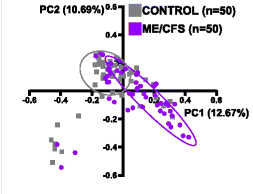
His 2017 paper is available here. This chart from the paper show some controls and some cfs with the almost the same values, and some with a major shift.

You cannot apply one size fit all treatment (for example the high Blautia issue in my last post impacted just 3 of 20 CFS uBiome results that I have looked at, 15%). Getting uBiome results (or equivalent) is likely helpful — whatever test you use, should measure hundreds of families.

The Bacteria to be examined

(links to the posts will be added as they are done)

  • Low
    • Pasteurellales [Order]
      • Lachnospiraceae [Family],
      • unclassified Bacillales[Family] and
      • Pasteurellaceae[Family]
    • Faecalibacterium [Genus],
    • Roseburia[Genus],
    • Coprococcus[Genus],
    • Gemella [Genus],
    • Dorea [Genus], and
    • Haemophilus [Genus]
  • High
    • Clostridiaceae [Family]
    • Clostridium [Genus],
    • Pseudoflavonifractor [Genus],
    • Anaerostipes [Genus]
    • Coprobacillus [Genus]

I have taken the liberty of copying the table from the article below (so I may link from their findings over the next month).

LINKS BELOW ARE TO POSTS ON WHAT CAN BE DONE TO CORRECT IT

Diagnostic groups

Selected bacterial species

In-sample

Cross-Validation

AUC

AUC

ER (%)

FP (%)

FN (%)

ME/CFS (50) vs. control (50)

[Firmicutes] Coprococcus catus

0.831

0.684

36.72

40.00

33.43

[Firmicutes] Pseudoflavonifractor capillosus

[Firmicutes] Dorea formicigenerans

[Firmicutes] Faecalibacterium prausnitzii

[Firmicutes] Coprococcus catus

0.893

0.745

29.68

29.71

29.64

[Firmicutes] Pseudoflavonifractor capillosus

[Firmicutes] Dorea formicigenerans

[Firmicutes] Faecalibacterium prausnitzii

[Firmicutes] Clostridium asparagiforme

[Proteobacteria] Sutterella wadsworthensis

[Bacteroidetes] Alistipes putredinis

[Firmicutes] Anaerotruncus colihominis

ME/CFS + IBS (21) vs. control (50)

[Firmicutes] Faecalibacterium cf

0.771

0.571

33.09

18.57

69.38

[Bacteroidetes] Bacteroides vulgatus

[Firmicutes] Faecalibacterium cf

0.923

0.687

25.59

18.43

43.48

[Bacteroidetes] Bacteroides vulgatus

[Firmicutes] Faecalibacterium prausnitzii

[Bacteroidetes] Alistipes putredinis

[Firmicutes] Coprococcus catus 

[Firmicutes] Faecalibacterium cf

1

0.791

24.31

18.28

39.40

[Bacteroidetes] Bacteroides vulgatus

[Firmicutes] Faecalibacterium prausnitzii

[Bacteroidetes] Alistipes putredinis

[Firmicutes] Coprococcus catus

[Firmicutes] Anaerostipes caccae 

[Firmicutes] Dorea formicigenerans

[Firmicutes] Anaerotruncus colihominis

[Firmicutes] Clostridium asparagiforme

ME/CFS w/o IBS (29) vs. control (50)

[Bacteroidetes] Bacteroides caccae

0.775

0.589

40.67

25.29

66.30

[Firmicutes] Pseudoflavonifractor capillosus

[Bacteroidetes] Bacteroides caccae

0.948

0.754

28.41

21.07

40.65

[Firmicutes] Pseudoflavonifractor capillosus

[Bacteroidetes] Parabacteroides distasonis *

[Bacteroidetes] Bacteroides fragilis

[Bacteroidetes] Prevotella buccalis

[Bacteroidetes] Bacteroides xylanisolvens

[Firmicutes] Dorea formicigenerans

ME/CFS w/o IBS (29) vs. ME/CFS + IBS (21)

[Bacteroidetes] Bacteroides vulgatus

0.913

0.604

37.61

29.30

50.08

[Bacteroidetes] Prevotella buccalis

[Firmicutes] Ruminococcus lactaris 

[Firmicutes] Eubacterium hallii

[Firmicutes] Anaerotruncus colihominis

[Firmicutes] Faecalibacterium cf

[Firmicutes] Clostridium methylpentosum

[Bacteroidetes] Bacteroides vulgatus

0.956

0.604

41.51

27.32

62.80

Bottom Line

This is a major research project. I hope by consolidating the PubMed citations that:

  • patients and their care givers can be empowered to “self-service”
  • front line MDs have a reference that they can use with detail microbiome results from uBiome and other providers
  • researchers have a sounding board for their hypothesis and proposals; ideally with trials of items suggested and seeing what the shift in the microbiome (if any) that results.

Special thanks to L.L.Ingram for encouraging me to undertake this epic project.

High Blautia — seen in some CFS Microbiomes

A long time (almost 2 decades) CFS friend got his microbiome done by ubiome.com. I will be writing some more posts on his ubiome and history, but to get things started I want to look at the subset that have high Blautia.

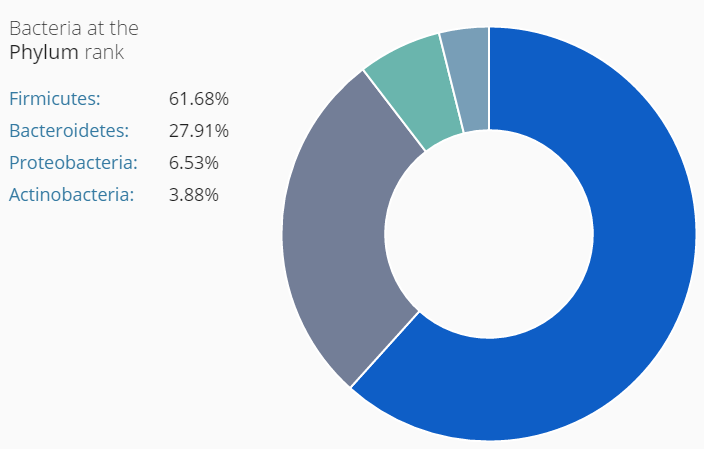
As with most CFS patients, there is a relative lower level of Firmicutes — here it is under 62% are Firmicutes (ME/CFS averaged 58%, healthy controls 65% — see this post). “We observed that bacterial diversity was decreased in the ME/CFS specimens compared to controls, in particular, a reduction in the relative abundance and diversity of members belonging to the Firmicutes phylum.” [2016]

  • “Within the Firmicutes, at the family level, Ruminococcaceae were lower in the ME/CFS samples (16 vs. 11 % in ME/CFS and healthy individuals respectively)”[2016] — Ruminococcaceae are part of  Clostridium XIVa which was covered in this post.

d

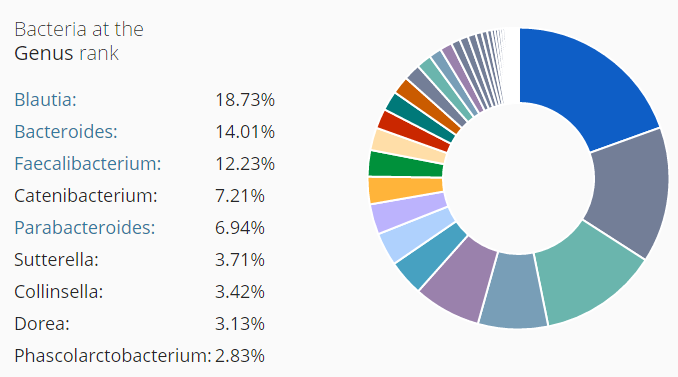
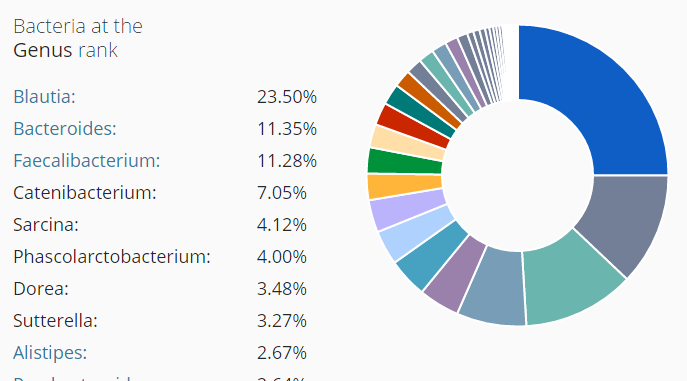
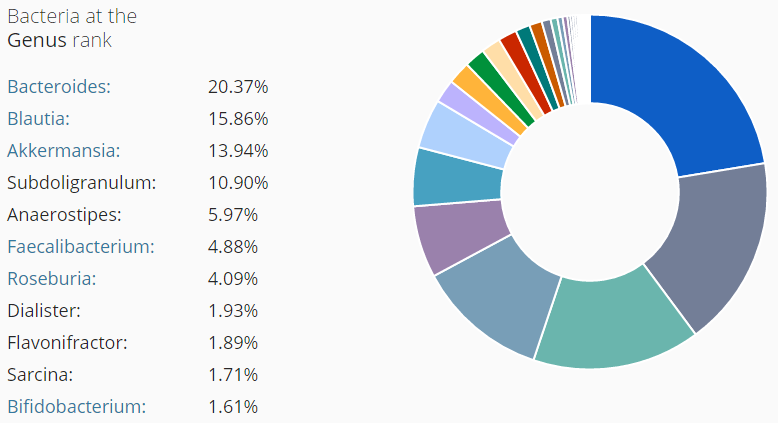
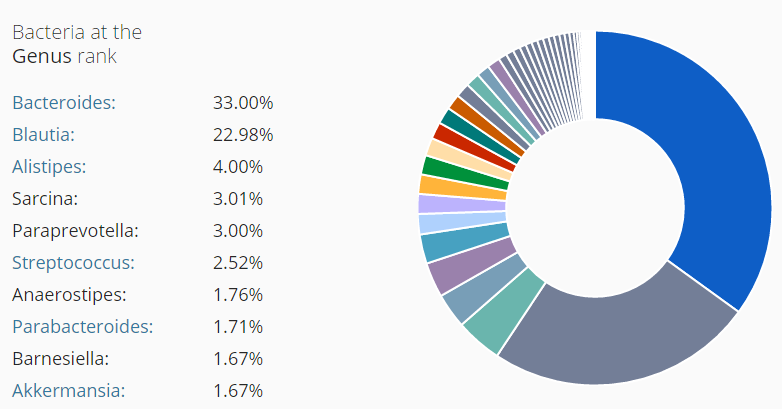
Moving down to the Genus level we see similar to some other patients (see this post), especially the high Blautia — also seen with Patients “R” and “Q” See below. Other CFS patients had just 2-5%.

g1

A second one done a few weeks apart, show similar results

g2

Patient Q

example9

Patient R

examplea

Reducing Blautia

Blautia genus (under Bacteria; Firmicutes; Clostridia; Clostridiales; Lachnospiraceae) has become a dominant Genus and consist of dozens of species. Note that it was classified under “ruminococcus”(by appearance) until RNA studies found that while it looks alike but was different. In italic and red are items to avoid, bold are items to take.

  • “some bile acids have been shown to exhibit antimicrobial activity….bactericidal activities to Blautia coccoides” [2017]
  • sodium butyrate …. elevated the abundances of the beneficial bacteria Christensenellaceae, Blautia and Lactobacillus.”[2017]
  • safflower oilincreased abundance of Blautia,[2016]
  • Japanese traditional dietary fungus koji Aspergillus oryzae functions as a prebiotic for Blautia coccoides through glycosylceramide: Japanese dietary fungus koji is a new prebiotic [2016].
  • “Bacillus subtilis…the relative abundance of Alistipes, Odoribacter, Ruminococcus, Blautia and Desulfovibrio were higher” [2016]
  • Metformin and berberine.…were markedly increased” [2015] [2016]
  • Resistant starch (RS) …  Roseburia, Blautia, and Lachnospiracea incertae sedis were decreased.” [2015] [2016][2014]
  • Blautia, Roseburia and Coprococcus were significantly enriched following treatment with hydrolyzed casein formula supplemented with Lactobacillus rhamnosus GG” [2016]
  • Blautia and Staphylococcus) significantly increased after Lactobacillus plantarum P-8 consumption,” [2015]
  • Lactobacillus salivarius Ls-33…Blautia coccoides_Eubacteria rectale group and Roseburia intestinalis, were significantly increased” [2013]
  • ” least 24 billion viable Lactobacillus paracasei DG …the Clostridiales genus Blautia (P = 0.036) was decreased;”
  • High grain diet …altered the colonic mucosal bacterial communities, with an increase in the abundance of genus Blautia and a decrease in the abundance of genera Bacillus, Enterococcus, and Lactococcus.”
  • “antimicrobial effect observed for the grape seed polyphenols, particularly against Bacteroides, Prevotella and Blautia coccoides-Eubacterium rectale.” [2015]
    • “Subjects with regular consumption of red wine (mean = 100 ml/day) had lower serum concentrations of MDA and lower fecal levels of… blautia”[2015]
  • positive associations between flavone intake and Blautia,” [2015]
  • “A negative association was found between the intake of pectins and flavanones from oranges and the levels of Blautia coccoides” [2014]
  • Rosemary Extractincreased the Blautia coccoides and Bacteroides/Prevotella groups and reduced the Lactobacillus/Leuconostoc/Pediococccus group in both types of animals.” [2014]
  • ” All treatments [a daily dose of 60 g of whole-grain barley (WGB), brown rice (BR), or an equal mixture of the two (BR+WGB)] increased microbial diversity, the Firmicutes/Bacteroidetes ratio, and the abundance of the genus Blautia in fecal samples.”
  • “At the end of the 2-week omega-3 rich diet, we identified a striking reduction in Faecalibacterium, and a remarkable increase in Blautia” [2016]

Bottom Line

There was a number of common things between this post decreasing Blautia and the last post increasing Clostridium XIVa.

  • Grapes and/or Grape seed
  • Bile Acid supplementation
  • Apple Pectin and Oranges (for it’s specific flavanones)

On the other side, we saw study after study that lactobacillus probiotics increases blautia.

  • NO LACTOBACILLUS PROBIOTICS
  • No Bacillus subtilis probiotics (likely no bacillus of any species)
  • No sodium butyrate
  • No safflower oil.(Change to Grape Seed oil for cooking?)
  • Reduce grain intact

Increasing Clostridium XIVa

A reader wrote “it seems to me that Clostridium XIVa is a very crucial bacterial group for improving health. Can you do a blog post on how to increase these bacteria? Thank you.”

For ulcerative colitis (UC), it appears to have benefit

Scanning pubmed articles for what is known… often what we know comes from animal studies — which may or may not apply to humans.

  • ” the addition of isoflavones, with enrichment of some bacterial gut members associated with the metabolism of phenolics and/or equol production, such as Collinsella, Faecalibacterium and members of the Clostridium clusters IV and XIVa.” [2017]
  • Long-term calorie restriction induced significant shifts..enhancing the growth of beneficial microorganisms such as Bacteroides, Roseburia, Faecalibacterium and Clostridium XIVa. [2017]
    • Vegetarian and fibre-rich diets have been shown to induce beneficial changes on gut microbiota in healthy people, with reduction of Bacteroides spp., Enterobacteriaceae, and Clostridium cluster XIVa bacteria.” [2016]
    • Vegetarian diet…with lower ratio (%) of Clostridium cluster XIVa.” [2014]
    • a strict vegetarian diet (SVD) for 1 month... an increase in commensal microbes such as Bacteroides fragilis and Clostridium species belonging to clusters XIVa and IV,” [2013]
    • “polyphenol-rich plant products… lower counts of Streptococcus spp. and Clostridium Cluster XIVa in the faecal microbiota (P < 0.05).” [2014]
    • High Amylose starchClostridium clusters IV and XIVa were decreased (P < 0.01) in pigs” [2015]
    • Fasting has no impact [2015].
    • “Of particular interest, Clostridium cluster XIVa species were significantly reduced… by high-fat sucrose diet” [2015]
  • bile acid therapy[tauroursodeoxycholic acid (TUDCA), or glycoursodeoxycholic acid (GUDCA)] normalized the colitis-associated increased ratio of Firmicutes to Bacteroidetes Interestingly, administration of bile acids prevented the loss of Clostridium cluster XIVa and increased the abundance of Akkermansia muciniphila, bacterial species known to be particularly decreased in IBD patients.” [2017]
    • “Increasing levels of the primary bile acid cholic acid (CA) causes a dramatic shift toward the Firmicutes, particularly Clostridium cluster XIVa” [2013]
  • “The alfalfa diet increased (P < 0.05) Clostridium cluster XIVa abundance,” [2017]
  • “We found that the concentration of the Clostridium coccoides group (Clostridium cluster XIVa), the Clostridium leptum subgroup (Clostridium cluster IV) and the Bacteroides fragilis group had significantly increased in partially hydrolysed guar gum-fed mice.” [2016]
  • Xylo-oligosaccharides…significantly increased numbers of lactobacilli in the colon and Clostridium cluster XIVa in the ceca.” [2015]
  • resistant starch, a fiber that was not completely fermented in the colon, whereas the other fibers induced similar responses on gene expression and microbiota. Consistent associations were revealed between fiber-induced enrichment of Clostridium cluster IV and XIVa representatives” [2015]
  • “a diet enriched in 5% acidic oligosaccharides derived from pectin (pAOS)…. stimulating the growth of species involved in immunity development, such as Bifidobacterium species, Sutturella wadsworthia, and Clostridium cluster XIVa organisms, and at the same time increased the production of butyrate and propionate.” [2015]
    • “Administration of either 0.33 or 3.3% apple pectin in the diet….became more prominent represented mainly Gram-positive anaerobic rods belonging to the phylum Firmicutes, and specific species belonging to the Clostridium Cluster XIVa.” [2010]
  • Wheat dextrin mediated a significant increase in total bacteria in vessels simulating the transverse and distal colon, and a significant increase in key butyrate-producing bacteria Clostridium cluster XIVa and Roseburia genus in all vessels of the gut model.” [2013]
  • Clostridium Cluster XIVa were higher (P < 0.001) in the casein-based diets” [2014]
  • “The faecal microbiota of the omnivorous group was enriched with Clostridium cluster XIVa bacteria, specifically Roseburia-E. rectale.” [2012]
  • “Especially the Clostridium cluster IV and subcluster XIVa were particularly increased in group B,[fed a probiotic mixture of:  Lactobacillus delbrueckii subsp. bulgaricus, Bifidobacterium bifidum, Enterococcus faecium, Candida pintolopesii and Aspergillus oryzae [2011]
  • “pro-biotic yogurt containing Bifidobacterium animalis subsp. lactis LKM512… yogurt consumption, in particular, the bacterial species and phylotypes of Bifidobacterium, Clostridium cluster IV and subcluster XIVa were increased in number.” [2007]

Bottom Line

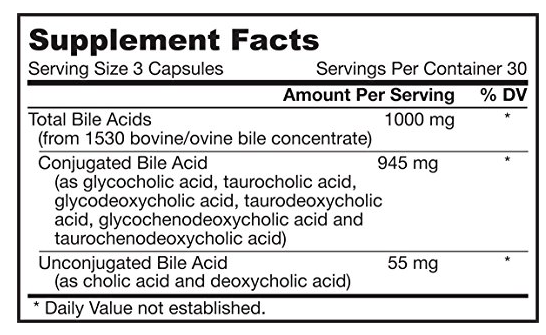
It appears that bifidobacterium probiotics will likely increase the level. Apple pectin becoming a regular diet additive is also suggested. Increasing/supplementing bile acids also appears to be well supported. Looking at Jarrow Bile Acid Factors ($20 for a month on Amazon), we see the acids cited in the above study.

bile

The Heart and Blood of the CFS Patient

You may have a small heart

  • “Cardiovascular symptoms are common in CFS patients. Cardiac dysfunction with low cardiac output due to small left ventricular chamber may contribute to the development of chronic fatigue as a constitutional factor in a considerable number of CFS patients.” [2009]
  • “A considerable number of CFS patients have a small heart. Small heart syndrome may contribute to the development of CFS as a constitutional factor predisposing to fatigue, and may be included in the genesis of CFS.” [2008]
  • Small heart syndrome in patients with chronic fatigue syndrome[2008]. “A considerable number of CFS patients have a small heart. Small heart syndrome may contribute to the development of CFS as a constitutional factor predisposing to fatigue, and may be included in the genesis of CFS.”
  • “A small size of LV with low cardiac output was noted in OI, and its degree was more pronounced in CFS with Orthostatic intolerance  CFSOI(+). A small heart appears to be related to the genesis of OI and CFS via both cerebral and systemic hypoperfusion. CFSOI(+) seems to constitute a well-defined and predominant subgroup of CFS.”[2011]
  • “”Small heart” on the chest X-ray photograph was prevalently noted in CFS patients. Echocardiographic examination revealed that CFS patients with “small heart” had an actually small LV chamber and poor cardiac performance.” [2009]
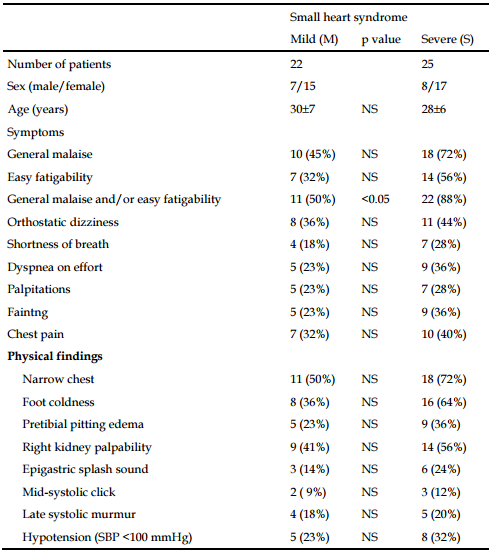
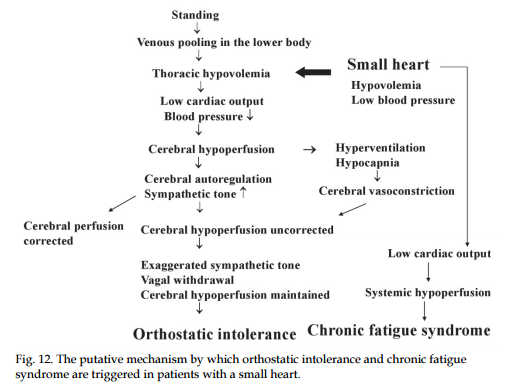
  • From “Small Heart as a Constitutive Factor Predisposing to Chronic Fatigue Syndrome [2012]”(Full Text)

small

heart2

Rapid Heart Beat (Tachycardia) and POTS

A consequence of a small heart may be a tendency to increase blood flow to the body by beating faster. The small heart may also be connected to the DNA SNPs associated with CFS.

Blood Characteristics

For a good discussion on blood differences seen in CFS, see Les Simpson article in the Journal of IiME, Vol. 2 Issue , p. 24ff.

  • “Echocardiographic measures indic ated that the severe CFS participants had 10.2% lower cardiac volume (i.e. stroke index and end-diastolic volume) and 25.1% lower contractility (velocity of circumferential shortening corrected by heart rate) than the control groups.” [2009]
  • ” In conclusion, individuals with CFS have a significantly lower peak oxygen consumption and an insignificant trend toward lower blood volume compared with controls. These variables were highly related in both subject groups, indicating that blood volume is a strong physiological correlate of peak oxygen consumption in patients with CFS.” [2002]
  • Circulating Blood Volume in Chronic Fatigue Syndrome [1998]” ” Of the 19 patients reported here, abnormalities in blood volume were very common. The most common, found in 16 of 19 patients, was a reduction in red blood cell mass. Eleven subjects had low plasma volumes, and total circulating blood volume was subnormal in 12 of 19 subjects. In some individuals this abnormality was strikingly severe… red Blood Cell mass …46% of the expected normal, and a total blood volume ..which represents 49.7% of the expected normal value”
    • Objectively measured abnormalities of blood pressure variability in CFS[2012]
    • Lower blood pressure in sleep[2011]
    • Lower blood pressure[2009]

    • Less and slower variability of blood pressure (2012) (2011)
    • Lower total blood volume(8%(2009) – 9% (2002) – 15%(2009) less), plasma volume (13% (2009)) and red blood cell volume (19%) (2009)(2000)(2007)(1998).
    • 35% lower peak oxygen consumption(2002)
    • Significant decrease in red cell distribution width (2007)
    • Higher percentages of misshaped red blood cells[13] [14] (2001) (other)
    • Impaired capillary blood flow.
    • Changed red cell shape populations
    • High values for flat blood-cells
    • Percentage of deformed cells reduced with B12 injections within 24 hrs in responders (P. 245 Englebienne, P. (2002). Chronic Fatigue Syndrome: A Biological Approach.)

And now add thick blood!

  • Chronic fatigue syndrome and/or fibromyalgia as a variation of antiphospholipid antibody syndrome: an explanatory model and approach to laboratory diagnosis [ 1999]. “CFS and/or FM patients who have a hereditary deficiency for thrombophilia or hypofibrinolysis may be unable to control thrombin generation properly. We have found that three out of four CFS and/or FM patients have a genetic deficiency (unpublished data). Certain pathogens induce the immune system generation of APL antibodie s and can be a triggering mechanism for APS. Once antibodies are formed, protective proteins are dislodged from endothelial cells, exposing PS. Coagulation proteins bind on exposed PS surfaces, generating thrombin on the EC surface. Excess thrombin converts fibrinogen to SFM, which may be deposited on the EC surface and/or circulate in the plasma. Fibrin deposition leads to decreased oxygen, nutrient and cellular passage to tissues around the microcirculation. This hypercoagulable state may cause localized pathology in many tissues, yielding the systemic compromises and symptoms characteristic of the CFS-FM complex. Since this hypercoagulable state does not necessarily result in a thrombosis, but rather in fibrin deposition, we suggest that an alternative name for this Antiphospholipid antibody process would be immune system activation of coagulation (ISAC) instead of antibody-mediated thrombosis [18]. Once this hypercoagulable state is detected, appropriate anticoagulant therapies may be given to relieve patient symptoms
  • “Most symptoms of Gulf War Illness (GWI) are similar to Chronic Fatigue Syndrome (CFS) and/or Fibromyalgia (FM). We investigated whether these symptoms are associated with an activated coagulation system as has been reported in some cases of CFS/FM. The coagulation assays include activation markers of the cascade, platelet activation and hereditary risk factors. Our findings show activation of the coagulation system in GWI. This evidence of a hypercoagulable state suggests that symptoms may be due to poor blood flow and, therefore, a basis for the potential utility of anticoagulant therapy.” [2000]

Bottom Line

Recipe for CFS: Start with a small heart, then decrease it’s efficiency by having thicker blood and less blood, add in alterations of metabolites (amino acids and other chemicals) due to microbiome shifts — adding more chaos. Filter thru your DNA Snps to produce your own special collection of symptoms!

In terms of treatment:

  • Fix metabolites
  • Reduce coagulation / thick blood

Heart Problems?