Lactobacillus Reuteri – BioGaia

Update: 2018 Summary on L Reuteri.

After finding the last FDA report, I thought that a little more digging on the FDA site may be be beneficial to get some behind the scene information. What I found interesting was that it was engineered to be killed by all antibiotics. The “wild”/”original” strain was resistant to some.

I found the 2008 letter dealing with BioGaia’s straws and other uses. The full letter is 118 pages and covers everything you wanted to know about L. Reuteri (as of 2008). Some key points are:

  • Strain DSM 17938: aka  ATC 55730, SD 2112, ING 1 and MM 53 are alternative references.
  • “are substantially equivalent to their parent strain in all respects other than possession of these plasmids (which contain genes encoding for antibiotic resistance)… did not exhibit tetracycline resistance…, showing complete removal of lincomycin resistance” – in other words, they are less antibiotic resistance than that found in the human gut. Minocycline, doxycycline etc will kill this probiotic off.
  • “L reuteri in a drinking straw at the same level. 108 cfu ..The total estimated consumer exposure from these intended uses is less than 109 to 1010 cfu/day.” – 5 x10⁹ cfu/day is what is reported to be needed to establish a probiotic — that is 50 drinking straws per day.
  • “Lactobacillus is a non-pathogenic genus ofLAB that consists of over 112 recognized species as of November 2007 (EFSA 2007).”
  • “L reuteri is the only Lactobacillus species reported to inhabit the gastrointestinal tract of all vertebrates and mammals. ranging from birds to humans (Casas and Dobrogosz 2000).L reuteri has been isolated in living form from every part of the digestive tract-the oral cavity. stomach. small intestine. and colon, as well as from stool samples and from the vagina (Reuter 2001).”
  • “Overall. 12% oft he mothers had detectable counts of L reuteri in their milk, with a higher rate of incidence in rural than urban areas”
  • “The ability of L reuteri to transit the harsh acidic conditions ofthe stomach (with fasting pH of about 1.5 and feeding pH between 3.0 and 5.0) successfully after oral ingestion (Wall et ale 2007) likely contributes to its ability to influence human physiology”
  • “Vandenplas et aI. (2007) observed that lactobacilli and other probiotics “do not colonize the gastro-intestinal tract as they become undetectable a few days after stopping the administration. “
  • “on animal and human studies of L. Reuteri, a number of animal studies and human clinical trials have established its value in lowering overall pathogen loads and controlling or eradicating infections of Salmonella typhimurium, Enterococcus faecaJis. Cryptosporidium parvum, Helicobacter pylori, and Streptococcus mutans, as well as other microorganisms such as Candida albicans and rotavirus (e.g., Kasravi et al. 1997, Edens et al. 1997, AIak et al. 1999, Balish and Warner 2002, Saggioroa et al. 2005).”
  • “L. reuteri, produce both L- and D-Iactate ” (50-50 split)
  • In the presence of glycerol, most strains of L reuteri produce reuterin (3- hydroxypropionaldebyde), a soluble broad-spectrum antimicrobial substance active in a wide range of pH values against Gram-positive and Gram-negative bacteria, especially E. coli, yeasts, fungi, protozoa, and viruses (Cleusix et al. 2007b). Reuterin production occurs during the anaerobic growth of L. reuteri in the presence of glycerol and low concentrations of glucose; it is not clear to what extent reuterin is produced in the human gut…. the production of reuterin was of the same magnitude for the 2 strains.”
  • NOTE: Some commercial strains do NOT produce reuterin

Addition Studies

Bottom Line

L. Reuteri should be taken with glycerol to encourage the production of reuterin (an antimicrobial). This strain has no natural resistance to antibiotics — that was intentionally removed. This suggests that it may not stand up well against dysfunctional bacteria that produces antibiotics/antimicrobials. If you take it, avoid taking it with any other probiotics.

“After a wash-out period of 14 days there was no evidence of either ATCC 55730 or DSM 17938 in the feces of any of the participants.” i.e. it failed to become established or was killed off by other bacteria.
 

Bifidobacteria probiotics – best bang for the buck!

A reader asked for some guidance on selecting Bifidobacteria as a result of a prior post.  Assuming labelling is truthful, I attempted to estimate the cost per CFU (Community Forming Units) below. The minimum goal is at least 5 billion CFU (based on the sparse research available). Five Strain Bifidobacteria came out the clear winner — and most expensive starting cost. Klaire Labs Ther-Biotic Factor 4 is 2nd place with a much lower starting cost.

Formula:   Cost /(Dosages x CFU) i.e. cost / Total CFU in product

 Brand

Bifido CFU Per Dose

 Mixture?

Base Price

Dosages

Price per B CFU

NOW Foods Acidophilus/bifidus

4.0 Billion


$30.00

240

$0.031

ProBiota Bifido

10 Billion

Only

$42.00

60

$0.070

Life Extension Bifido GI Balance

2 Billion


Align

1 Billion

 Only

 $26.00

 42

 $1.62

Renew Life Ultimate Flora Probiotic Formula

25 Billion

 Only

 $22

 30

 $0.029

Natren Bifido Factor Dairy Free

2 Billion


FloraBaby

3 Billion


Klaire Labs Ther-Biotic Factor 4

10 Billion

Only

$30.00

60

$0.050

Nature Made Digestive Probiotics Advance Dual Support

2 Billion


Active Balance High Potency Probiotic

n/a


Bayer TruBiotics

n/a

< 1 Billion


CVS Digestive Probiotics

n/a

< 1 Billion


Pearls Elite

n/a 

< 2 Billion


Florajen 3

7.5 Billion


$25.00

60

$0.056

Kyo-Dophilus

n/a

< 1 billion


Life Start 2

2 Billion

Only

$37.00

60

$0.308

Nature Made Triple Probiotic

n/a

< 5 billion


Nature’s Way Primadophilus Intensive

60 Billion


$45.00

30

$0.025

Philips Colon Health

n/a

< 1 billion


Probioplus DDS

n/a

< 3 billion


Five Strain Bifidobacteria

200 Billion

Only

$130.00

60

$0.011

B. Infantis

40 Billion

Only

$55.00

powder

$0.022

Feel free to ping me to compute the numbers for other offerings.

Decreasing Adlercreutzia

Low levels are associated with other conditions.

For updated information see Microbiome Prescription

DataPunk.Net Data

Very little…

INHIBITED BY

PubMed Data

There are about 17+ articles on PubMed.

  • Disease Risks:
    • Adlercreutzia was also decreased in inflammatory bowel disease  cases compared to controls but was at similar levels in non-responders and responders. ” [2016] Thus high levels suggests reduced risk of evolving to IBD.
    • “control group showed increased abundance of Parabacteroides, Adlercreutzia and Prevotella genera. compared to Multiple sclerosis ” [2016] Thus high levels suggests reduced risk of evolving to MS
    • “primary sclerosing cholangitis  was further characterized by decreased abundance of Adlercreutzia equolifaciens” [2017] high levels suggests reduced risk
    • “Colorectal adenoma subjects had … lower abundance of Adlercreutzia compared to controls. ” [2017high levels suggests reduced risk
  • Diet:
    • “Bacteroides spp., Coriobacteriaceae spp. and Adlercreutzia spp. were increased in nonresponders, responders 101, and IBS-D and- M patients, respectively, following a diet low in fermentable carbohydrates( low-FODMAP ).” [2016]
    • “Daidzeins are isoflavonoids commonly found in soybeans that are
      metabolized into the metabolite equol by specific gut microbes, such as the aptly named Actinobacteria species,” [2016] [2012]
    • Adlercreutzia and Lactobacillus which were found to be enriched in Low Fat” [2016] compared to ” high-fat (40 E% saturated fat, HF) control diet, or heat-treated high-fat (200 °C for 10 min, HT) diet, for 8 weeks.”
  • Prebiotics:
    • “In contrast, AdlercreutziaOdoribacter, and Coprococcus were significantly more abundant in microcrystalline cellulose group M,”
  • Probiotics:
    • ” there was significantly lower … Adlercreutzia equolifaciens following both interventions( the L. casei Zhang or vitamin K2 ) compared to the model group. ” [2017]
    • “a fermented dairy product (FDP) fortified with Bifidobacterium animalis subsp. lactis… Increased lactose fermenting taxa included Slackia isoflavoniconvertens and Adlercreutzia equolifaciens; ” [2017]
  • Antibiotics:
    • “Ten OTUs indicating fluoroquinolone treatment were associated with Blautia, Subdoligranulum, Adlercreutzia, Clostridium and Ruminococcus.” [2014]

Bottom Line

  • Do not do a low-FODMAP diet
  • No soy (it’s a food source)
  • Vitamin K2 supplementation
  • Lactobacillus Casei probiotics
  • E.Coli Probiotics (Mutaflor, Symbioflor-2)
  • No Bifidobacterium animalis subsp. lactis probiotics
  • No fluoroquinolone antibiotics

Yakult – L.Casei Shirota

I have frequently cited this probiotic but have not done an actual post on it. I Today I discovered FDA documentation on it which I have extracted below.

  • “Additionally, L. casei ferments lactic acid from many other precursors. Only the L-enantiomer of lactic acid is formed.” so no d-lactic acid 🙂
  • L. casei strain Shirota is 100 percent identical to those of L. casei strains designated ATCC 334 and NCDO 151.”
  • L. casei strain Shirota, like most lactobacilli, is resistant to vancomycin; however, this resistance is not genetically based.”
  • “Yakult describes L. casei strain Shirota as a non-pathogenic and non-toxigenic bacterium.”
  • “ingredient in fermented dairy products at a maximum level of 4×10⁸ colony forming units (cfu) per milliliter (ml).”
  • “The notifier states thatL. casei strain Shirota up to 3.6×10¹¹ cfu/day fed to healthy adults for as long as 5 weeks and to health-compromised adults up to 8×10¹¹ cfu/day for as long as four years, showed no adverse effects.” i.e. 2 liters of Yakult/day

From the alternative names listed above (there are 200+ citations for casei shirota), I found that

  • it produces a”class IId bacteriocin that exhibited antimicrobial activity against some lactobacilli and several Listeria species.”[2013]
  • “cultivation of Lactobacillus casei ATCC 334 in the presence of human intestinal epithelial cells promotes functional changes in bacteria. In particular, the interaction enhanced the immunosuppressive phenotype of L. casei as demonstrated by the ability of L. casei to generate functional regulatory T cells (CD4+CD25+FoxP3+) and production of the anti-inflammatory cytokine interleukin-10 by human peripheral blood mononuclear cells.” [2013]

Impact on CFS:

  • “Decrease in Anxiety symptoms Increase in Lactobacillus and Bifidobacteria in Fecal samples”[2015] [2009]

It is not effective for IBS but will mitigate some symptoms  (and by inference, only symptom mitigation for CFS) – i.e. reduces inflammation:

  • “After probiotic treatment with LcS, no improvement of 30% in MSS was observed after 8 weeks.” [2016]
  • “Some trials showed a significant improvement of irritable bowel syndrome-related constipation via Lactobacillus casei Shirota” [2005]
  • “There was no significant improvement in the symptom score with probiotic therapy, except for wind (P = 0.04).” [2008]

Similarly, for UC, its impact is again reducing inflammation:

  • “This probiotic-induced improvement in murine chronic inflammatory bowel disease is associated with the down-regulation of pro-inflammatory cytokines such as IL-6 and IFN-gamma production in LPMC. Therefore, LcS may be a useful probiotic for the treatment of human inflammatory bowel disease.” [2005]
  • “probiotic strain Lactobacillus casei Shirota in UC partially restored their normal function indicated by reduced Toll-like receptor 2/4 expression and restoration of their ability to imprint homing molecules on T cells and to generate interleukin-22 production by stimulated T cells.” [2014]

Bottom Line

Yakult has a role in reducing inflammation and potentially to displace some dysfunctional bacteria. It will likely reduce some symptoms.


Parasites, Microbiome and CFS

A common refrain in CFS research is that in a sample of CFS patients, 10X of the patients have infection Y and in a control group only X has infection Y. The “Y” may be EBV, Q-Fever, Positive Chronic Lyme tests, or parasites. This is done by researchers trying to identify the cause of CFS using simplistic logic.

To me, the simplest way to KISS these findings is that they are consequences of the CFS state. A reader forwarded me a study “Probiotics for the Control of Parasites: An Overview” [2011] which actually (indirectly) explains why some CFSers have a high incidence of parasites.

Before going into that, let us revisit viral infections (such as EBV, HHV6 etc), many/most are never eliminated, rather your immune system learns to keep them in control. The classic example is the zoster virus which produces chicken pox.

“After you get better from chickenpox, the virus “sleeps” (is dormant) in your nerve roots. In some people, it stays dormant forever. In others, the virus “wakes up” when disease, stress, or aging weakens the immune system. Some medicines may trigger the virus to wake up and cause a shingles rash. It is not clear why this happens. But after the virus becomes active again, it can only cause shingles, not chickenpox.” [WebMd]

We find that “Human populations are infected with 8 herpesviruses, including herpes simplex virus HSV1 and HSV2 (also termed HHV1 and HHV2), varicella zoster virus (VZV or HHV3), EBV (HHV4), cytomegalovirus (HHV5), HHV6, HHV7, and Kaposi sarcoma-associated herpesvirus (termed KSV or HHV8).” [2013] – note that almost all of these have been associated with CFS (i.e. over-represented in CFS patients compared to controls).

We know that CFS patients are low in B12 and that L.Reuteri is the bacteria that produces B12 in healthy people. L. Reuteri is very low in CFS patients . This means they are no protected against these parasites by L.Reuteri which is in abundance with healthy mammals.

Surprise, surprise, surprise! L.Reuteri results in 75+% reduction of many parasites/pathogens including [2011]:

L.Casei also results in similar reduction of:

You may being say — what! How can this be! The article does a nice explanation of what probiotics do, namely:

“Modulation of the intestinal environment, by probiotics having the capacity to control the proliferation of surrounding microorganisms and/or by competition for the occupancy of a common biotope (e.g., access to nutriments) [2]. For example, iron is a limiting nutriment: it is essential for most bacteria, and probiotics can compete for its availability. Lactobacillus can render iron unavailable for pathogenic microorganisms, either by binding ferric hydroxide on its surface [4] or by secreting siderophores that chelate and transport iron [3].” So if you are low in Iron, a lactobacillus probiotic may not be ideal.

“Secretion of active molecules (e.g. bacteriocins, antibiotics, free fatty acids, hydrogen peroxide) that can control growth and/or survival of surrounding microorganisms. Bacteriocins are secreted peptides or proteins that generally kill closely related bacteria by permeabilizing their membranes or by interfering with essential enzymes (…. Lactobacillus reuteri produces reuterin (3-hydroxypropionaldehyde), a broad-spectrum antibiotic, active against bacteria, yeast, fungi, protozoa, and viruses [7]. By lowering the local intestinal pH with lactic acid, probiotics can also modify the growth of acid-sensitive organisms [5].”

A second article, “The Unexplored Role of Probiotics on the Parasitic Pathogens. Food and Nutrition Sciences [2014]reports

“Recent evidences gathered from in vitro culture systems or at best in animal models have demonstrated that probiotic bacteria can be used for therapeutic purposes on control of both intestinal parasite infections as well as few non-gut infections spread among human and veterinary animals. ” and further adds this important finding

“The good effects of probiotics is largely dependent on the dose ingested of at least five billion colony forming units per day for at least 5 days [2009] which acts as a minimum dose for the survival capacity of the ingested probiotics in the gastrointestinal system to overcome the competition with the resident bacteria.” Note: This is 5 billion of a specific speciesnot grand total of many species!

  • “Also, serum of L. casei-treated mice has shown 1.8 (app.) times more nitric oxide concentration which provides a protective effect upon the plasmodial infection. “

Bottom Line

L Reuteri and L. Casei are important probiotics to address parasites. They are also both on my recommend list (being the exceptions to avoiding any random Lactobabillus probiotic — just like Mutaflor(E.Coli Nissle 1917) is the exception for any random E.Coli).

A second take-away is that you want your dosage to be at least 5 billion of a specific species and to take it for 5 days. Any less dosage and it will be a flow thru probiotic that has temporary effect only.

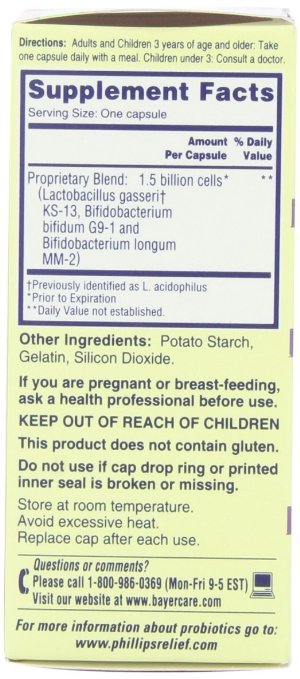
Consider the probiotic below:

61-xqydm-1l-_sy679_

We have just 1.5 billion a day — no way near enough. And there are three species — so an average of 0.5 billion a day of each species… oops… what will NOT happen?  (oh,yes — I get it, you will have to keep buying this probiotic!!!) these probiotics will NOT get established.

To quote from an European Probiotic researcher that I have corresponded with “you are outside of the spectrum, because the cfu/g is too low.

For Miyarisan (Clostridium butyricum) tablets, we read that there is about 10 million viable bacteria per tablet [food.gov.uk] so a full recommended dosage of 18 x 10 million, takes you up to 180 million only.

The research on the needed dosage and duration to establish a probiotic is sparse. There are financial incentive to not release such data (because keeping below that dosage results in constantly repeating customers for the product). The dosage reported above seems “high” but just a few years ago, 400 IU of vitamin D a day seemed very high (and today, 15,000 IU is known to be safe and of great benefit for diabetes, cancer and CFS symptoms).

“While there are no established Upper Limits for probiotic intake, various clinical studies have noted that doses up to 15 billion CFUs of beneficial bacteria have shown efficacy in the maintenance of digestive health/reversing occasional irregularities and doses up to 450 billion CFUs have shown efficacy in the treatment or symptomatic relief of Irritable Bowel Syndrome (IBS).” [Source]

Doing a general search I see that almost every one is keeping below this threshold for any species or have a complex mixture. This site is helpful for finding out tested cfu, https://labdoor.com/rankings/probiotics 

  • Exception: Culturelle : Single Species 14 Billion CFU [Source]
  • Yakult: Single Species 8 Billion asserted

Align was tested to be only 160 million CFU [Source] which means 40 capsule a day to get up to 5 billion.

The rest are BLENDS — Lactobaccillus being in significant quantities. My concern is that different probiotics may compete with each other resulting in less effective CFU (or randomness of which one is the winner!). The same two species (B.lactis and L.Acid.) appear to be the “filler” in many of the mixures.

“The recent publication of the PROPATRIA study (Besselink et ale 2008), which reports higher mortality among subjects with acute pancreatitis treated with a combination of 6 strains of live Lactobacillus and Bifidobacterium species has caused some to question the safety of probiotics. “[Source]

  • Healthy Origins® Probiotic 30 Billion CFU’s is a powerful blend of 8 friendly bacteria strains and 30 billion colony forming units (cfu’s) ==> with Bifidobacterium (animalis) lactis and L. acidophilus being above the 5 billion cfu threshold.
  • ULTRA-30 Probiotics 30 Billion CFU’s & 18 Strains Supplement ==>
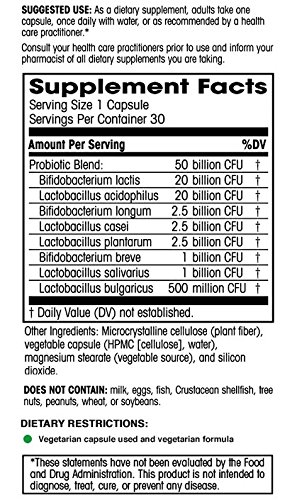
  • This one provides two above the desired level, ExtraFlora 50 Billion CFU Probiotics,  — one of which is Bifidobacterium (animalis) lactis
    51pkxhctxil

“Over the past 30 years there have been about 180 published cases of bacteremia and 69 cases of endocarditis putatively caused by lactobacilli (Aguirre and Collins, 1993; Gasser, 1994; Donohue and Salminen, 1996).” [Source]