D-lactic Acidosis -Sauerkraut is not good for you if you have CFS!

People like Dr. Mercola and Weston Price advocates the use of fermented sauerkraut for good reason — it is very high in lactobacillus bacteria. Lactobacillus bacteria is generally good because it kills off many other bacteria and helps a normal microbiome to be stable.

The problem in CFS is that CFSers are very low in E.Coli [1998] [2001] – a species that Lactobacillus tend to kill off.

First, what species are in Sauerkraut?

The species in home made sauerkraut changes over time, DNA Fingerprinting of Lactic Acid Bacteria in Sauerkraut Fermentations[2007] including

  • L. mesenteroides
  • Weissella sp.
  • L. citreum
  • L. curvatus – inhibits E.Coli [2007]
  • L. fallax
  • L. plantarum — inhibits E.Coli [2014]
  • L. brevis
  • L. argentinum

This article Antagonistic effect of Lactobacillus strains against Escherichia coli and Listeria monocytogenes in milk.[2011], describes the general issue at play.

Increased D-Lactic Acid Intestinal Bacteria in Patients with Chronic Fatigue Syndrome [2009] “This study suggests a probable link between intestinal colonization of Gram positive facultative anaerobic D-lactic acid bacteria and symptom expressions in a subgroup of patients with CFS. Given the fact that this might explain not only neurocognitive dysfunction in CFS patients but also mitochondrial dysfunction, these findings may have important clinical implications.”

Bringing up the E.Coli population is likely a significant factor for recovery, not reducing it.

“Patients with chronic fatigue syndrome (CFS) are affected by symptoms of cognitive dysfunction and neurological impairment, the cause of which has yet to be elucidated. However, these symptoms are strikingly similar to those of patients presented with D-lactic acidosis... this might explain not only neurocognitive dysfunction in CFS patients but also mitochondrial dysfunction, these findings may have important clinical implications.”[2009] [Full Text].  “Probiotics Provoked D-lactic Acidosis in Short Bowel Syndrome: Case Report and Literature Review” [2006]

E.Coli produces a lot less lactic acid than lactobacillus, thus when they are diminished, the bacteria replacing them increases the production of D-lactic.

There is literature speculating that lactobacillus may help CFS (Medical Hypothesis 2003), as always, we prefer actual studies instead of “bright ideas with horrible consequences to CFS patients”.

Treatment

I found some reports of treatment, and this one stands out – multiple antibiotics and probiotics afterwards (note the dosage of probiotics in 3 grams/day — far higher than the typical 4 mg in a commercial probiotic capsule — 1000 times more!!!!).

” The patient received kanamycin (Kanamycin Capsules, Meiji Seika Pharma, Tokyo, Japan) 1000 mg/d.  … metronidazole (Flagyl, Shionogi & Co, Ltd, Osaka, Japan) 500 mg/d and kanamycin 2000 mg/d were administered for 5 days under fasting conditions. Polymyxin B (Polymyxin B Sulfate, Pfizer Japan Inc, Tokyo, Japan) 500 3 103 U/ d and vancomycin (Vancomycin Hydrochloride Powder, Lilly, Kobe, Japan) 1000 mg/d were administered over the subsequent 5 days. After the use of antibiotics, a purgative (Niflec, Ajinomoto Pharmaceuticals Co, Ltd, Tokyo, Japan) was used…..Overgrowth suppression was approached by starting synbiotics, specifically B breve Yakult (prepared by Yakult Co, Ltd, Tokyo, Japan) 3.0 g/d and L casei Shirota (Biolactis Powder, Yakult Co, Ltd, Tokyo, Japan) 3.0 g/d as probiotics, and galactooligosaccharide 8.4 g/d as a prebiotic.” [2013]

Exercise and Lactic Acid

Exercise produces lactic acid which further compounds the issue and result in fatigue. See “Lactic Acidosis and Exercise: What You Need to Know” on WebMd. There appears to be no conventional treatment for Lactic Acidosis.

Root cause: Low Veillonella?

See this post: on what this bacteria does with lactic acid.

Alcohol and CFS – The E.Coli Response

While researching the above brief notes, it caught my eye that alcohol kills E.Coli, which would further swing a CFS patient towards D-lactic acidosis.

Resveratrol Revisited

Resveratrol is an extract from the skin of grapes, blueberries, raspberries, and mulberries. This week’s edition of New Scientist found suggested significant benefits for Alzheimer’s disease, with dosages of up to 1 gm/day showing no ill effects [2015]. I view all illnesses with significant cognitive issues likely being more extreme cases of the CFS mechanisms. On the flip side, the same study found “Brain volume loss was increased by resveratrol treatment compared to placebo.” (“A working hypothesis [of brain volume loss] is that the treatments may reduce inflammation (or brain swelling) found with Alzheimer’s.” [2015]


I use resveratrol/grape seed extract regularly based on it’s characteristics for coagulation, some 19 studies. For example, One-year consumption of a grape nutraceutical containing resveratrol improves the inflammatory and fibrinolytic status of patients in primary prevention of cardiovascular disease [2012]. One of the reasons is that it have a plasma half-life of 9 hr [2004] longer than aspirin (which also inhibits platelet aggregation) which is 20 minutes [2004]

My usual preference is “whole source” (i.e. grape seed, blueberries, etc) instead of extracts — because nature likely has auxiliary compounds that are also helpful. The extract usually comes from attempts to commercialize the effective whole source.

Botttom line: Resveratrol / grape seed extract is a positive for CFS as I mentioned in my earlier post.

  • decrease platelet aggregation, increase platelet-derived NO release, and decrease superoxide production [2001]
  • strong antioxidant activity, antibacterial, antiviral, anticarcinogenic, anti-inflammatory, anti-allergic, and vasodilatory actions, inhibit lipid peroxidation, platelet aggregation, capillary permeability and fragility [2000]

With a daily dosage of 1000 mg/day being found to be safe and in the case of Alzheimer’s, effective – I would suggest discussing with your medical professional a dose of 500 mg/day which is well above the typical dosages recommended on bottles.

Bounce Back Chair — What are people’s experience?

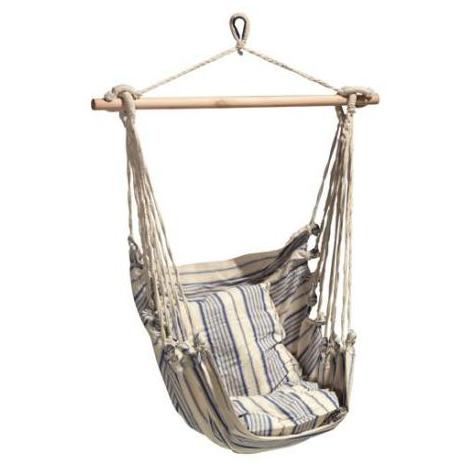
Last weekend while cleaning up storage, I came across our old Bounce Back Chair. A device that looks like below:

The reason we go it was that it was recommend by Dr.Cheney in 1998, 1999,

“Less ill patients can add aerobic exercises between five-minute periods of bouncing per the videotape instructions. Its advantages include correcting dysautonmia, the dysfunction of the autonomic nervous system that underlies many of the symptoms in CFIDS. The Bounce Back Chair was studied by NASA to treat astronauts returning from orbit who fainted upon standing. After six months in orbit, you lose your autonomic nervous system capacity to stand in a gravitational field. You simply faint and seize. If you remember these astronauts, when they took them out of the capsule they had to drag them out vertically because they would faint on standing. They end up with a dysautonomic condition similar to chronic fatigue syndrome patients.

NASA figured out that the best way to bring back the autonomic nerve system was to bounce. So they put them in these bungee cord contraptions and they just bounced them–this up and down motion essentially regulates autonomic tone and improves the autonomic nervous system. Rebound exercise is very easy, it’s non-weight bearing, and you can add in arms, legs and abdominal motion while bouncing, to tolerance. It also improves immune regulation by pumping lymphatic fluid back into the blood. Lymph acts just like gamma globulin. Finally, this exercise was shown by NASA to be 68% more efficient as an exercise routine than running. (“Efficient” means maximum gain for minimum effort.) It is therefore ideal for people with little energy to spare. Those who do not suffer from balance problems can achieve many of the same benefits from a mini-trampoline.” [1998/1999]

Well, I reassembled it and use it well watching TV. In general, I feel better after bouncing for a while.

I went over to PubMed and found a single study with inconclusive results when it was combined with some 6 other alternative therapies. The best that I could find was:

  • “Up to now, underlying mechanisms are poorly understood although decreased gastrointestinal blood flow, neuro-immuno-endocrine alterations, increased gastrointestinal motility, and mechanical bouncing during exercise are postulated. Future research on exercise associated digestive processes should give more insight into the relationship between physical activity and the function of the gastrointestinal tract.” [2001]
  • “Well-designed prospective randomized trials evaluating the risks and benefits of exercise and physical activity on gastrointestinal disorders are recommended for future research.” [2011]

The cost is unreasonable high given the actual construction. More fashionable chairs that seem to emulate the same concept, the Swopper are even more expensive.

Reviewing the various boards, the feedback appears to be good.

Alternative for people in europe:
https://www.manomano.es/hamacas-sencillas/hamaca-sillon-colgante-color-nat-azul-630535

hamaca

Depending on the amount of bounce, the top cords could be replaced with bungee-type cords

If you find one at a charity organization, pick it up and try it. There is no PubMed evidence supporting its use

Continuous or Pulse Supplements?

A reader wrote ”

If you had some free time, would you mind informing me which herbs should be pulsed and which (if any) can be taken indefinitely. Such as Ashwagandha.
Or if there is a way to tell which can be taken indefinitely? I was thinking of taking Shilajit (Ayurveda) daily to see if that had any benefit but I can’t remember if there was any reason behind pulsing herbs other than the bacteria getting resistant. Do other herbs lose their effects if you take them too long?”
Anti-Infection Items
My first exposure to the concept was from Dr. Jadin, who learnt it from her father friends at the Pasteur Institute in the 50’s and 60’s. Many modern studies show that alternating (even just rotating between members of the same family) result in higher remission rates. The actual condition or anti-infection agent is likely immaterial.

There are problems with MDs adopting it, because it is more complex then using just one, and there are likely misconceptions that somehow by prescribing two or more, “you’ll increase antibiotic resistance” because you are using twice the number of antibiotics and thus doubling the odds of antibiotic resistance — totally wrong!

Supplements – Organic

The first part of supplements, supplements/herbs/spices with anti-infection characteristics are simple — the above applies because they are anti-infection. This includes Ashwagandha (Withania Somnifera). Herbs like ashwagandha mechanism of action appear often to be via impact on bacteria or virii.

Another adaptogen, Rhodiola rosea (commonly golden root, rose root, roseroot, western roseroot, Aaron’s rod, Arctic root, king’s crown,lignum rhodium, orpin rose), is similar

Hence, rotation of all herbs is my preferred recommendation. If one is an EBV antiviral, then get a list of other anti-EBV herbs (documented by pub med please!!) and rotate them every 1-2 weeks. 

Supplements – Vitamins, Chemicals and Minerals
This enters an area where there are no clean studies, so I will slip into that dangerous space of logical thinking.
Typically chemicals and minerals are taken because we are deficient. In many cases, supplementation have zero impact on being low, or on symptoms. I term these incidental lows. Thus what is the benefit of supplementing? Well, apart from draining the abundance pocket book that every CFSer has… zip.
There are supplements that are well documented to improve FM/CFS/IBS, see prior posts. My favorite is Vitamin D3 ( I usually take 15,000 – 20,000 IU and periodically get tested that I am not too high — I have never been there).
Yes, there may be placebo effects (if you believe that it will help you, then this drops stress and can result in actual improvement in the short term). It may well have helped the person who recommended it and claimed it was significant for them. I believe in the placebo effect… do you really really believe this supplement will help? If not…  let it pass.
For minerals, vitamins and other chemicals, I prefer to pulse — why? Our gut bacteria is responsible for obtain them, if there is a dysfunction then if helps to get them directly.  The risk that I see is this, if the body sees no need to encourage specific bacteria strains that extract X because levels are high due to supplements — then it’s feedback mechanism will shut down those strains. In once sense, I am suggesting a rehabilitation approach. Exercise those bacteria strains regularly.
  • Effects of rotation of topical vitamin D3 in chronic plaque-type psoriasis[2012]. ” Our study showed that switching one VD3 reagent to another VD3 reagent could improve the objective scores of the psoriasis symptoms. It was surprising that switching to calcipotriol or other reagents improved the eruption in a similar way.”
  • ” Because of the chronic course of the disease, appropriate choice of therapy in particular stage of the disease, so-called rotation therapy, is of paramount importance.”[2006]
  • ” children showed significant academic and behavioral improvements within a few weeks or months of open-label treatment with nutrient supplements. …. For those who discontinued, it took at least 1 year to begin to see the first indications of decline in academic performance, and another year for their grades to drop significantly.” [2000]
    • So effective supplements have quick response and very slow reversal, suggesting no loss from pulsing.

Bottom line:

“Unproven diet therapies for patients with CFS include megavitamin/mineral supplements; royal jelly and other dietary supplements; and elimination, avoidance, and rotation diets. Claims that these therapies relieve CFS symptoms and promote recovery are anecdotal and have not been substantiated by clinical research. The yeast-avoidance and sugar-free diets, both promoted to combat Candida albicans overgrowth, are of questionable value in treating patients with CFS. …. Diet strategies that call for the avoidance of food additives, preservatives, sweeteners, and other ingredients are not supported by available evidence and are not practical for patients with CFS.” [1993] – some 23 years later, these claims are still circulating in the CFS patient’s community. The absence of studies finding them effective should not be ignored. I recall in 2000, many people trying these with good initial (aka Placebo) response that disappeared quickly.

Anti infection Supplements for CFS

In this post I will cover a subset of supplements that have been shown effective for some infections:

  • Viral infections
  • Bacterial infections in the blood
  • Microbiome shift (effective infections in the gut)

I have selected those that appears best on reviewing the medical literature. In general, there have been no studies with supplements and CFS. There has been studies for prescription antibiotics and antivirals.

For antivirals, those effective against EBV or CMV tend to be the focus. Some herbs like Cat s Claw (Uncaria tomentosa), have been found to have no impact http://www.ncbi.nlm.nih.gov/pubmed/11884218 (2002).

For CFS patients with herpes virus (EBV, CMV, and HHV6) 10%  -57% had multiple infections, with 13% having all three ( source  ) . A 2012 study testing for just 3 active pathogens found 65% positive in CFS patients versus 13% of controls http://www.ncbi.nlm.nih.gov/pmc/articles/PMC3426163/ (2012). EBV and CMV may not be the cause, but they appear to contribute.

WARNING: Any of these can cause a Herx. Always start with a low dosage and work upwards. When a herx occurs, hold that dosage (or slightly reduce it) until the herx ebbs.   As always, changes in medications and supplements should be done in consultation with your medical professional.

Prescription Studies

With the current trend against the use of antibiotics, especially long term use, the following may be difficult to get prescribed by MDs.

  • Med Hypotheses. 2009 Jun;72(6):736-9. Epub 2009 Mar 6. On the question of infectious aetiologies for multiple sclerosis, schizophrenia and the chronic fatigue syndrome and their treatment with antibiotics http://www.ncbi.nlm.nih.gov/pubmed/19269110 (2009). Frykholm BO.
    • Excellent results that persisted for at least a year after 60 days of antibiotics [2 patients]
  • Chronic fatigue syndrome after Q fever http://www.ncbi.nlm.nih.gov/pubmed/17599032 (2007)
    • Fluoroquinolones and Tetracyclines for 3-12 months, [2/3 recovered]
  • Treatment of chronic fatigue syndrome with antibiotics: pilot study assessing the involvement of Coxiella burnetii infection http://www.ncbi.nlm.nih.gov/pubmed/16415546 (2005)
    • minocycline or doxycycline for 3 months
      • Prior Q-Fever CFS (54 patients) improved.
      • No Q-Fever CFS (4 patients) no change.
  • Improvement of chronic nonspecific symptoms by long-term minocycline treatment in Japanese patients with Coxiella burnetii infection considered to have post-Q fever fatigue syndrome http://www.ncbi.nlm.nih.gov/pubmed/14964579 (2004).
    • Minocycline (100mg/day) for 3 months, all patients improved.
  • Mycoplasma blood infection in chronic fatigue and fibromyalgia syndromes http://www.ncbi.nlm.nih.gov/pubmed/12879275 (2003)
    • Long term doxycycline – most patients go into remission.
  • Benefits and harms of doxycycline treatment for Gulf War veterans’ illnesses: a randomized, double-blind, placebo-controlled trial http://www.ncbi.nlm.nih.gov/pubmed/15262663 (2004).
    • Long-term treatment with doxycycline (200mg/day) did not improve outcomes of GWVIs at 1 year.
  • Counterpoint: long-term antibiotic therapy improves persistent symptoms associated with lyme disease http://www.ncbi.nlm.nih.gov/pubmed/17578772 (2007)
    • prolonged antibiotic therapy (duration, >4 weeks) may be beneficial for patients with persistent Lyme disease symptoms
  • Controlled trials of antibiotic treatment in patients with post-treatment chronic Lyme disease[10]
  • Cecile Jadin (South African MD – surgeon: gerinjadin@icon.co.za ) official sites: http://cecilejadin.com/ http://chronicfatiguesyndrome.co.za/case-studies  , http://drcjadin.com/, protocol
    • Vibromycyn 100 or 200 depending on weight and tolerance
    • Riostaine – f(oxytetracycline) 250 QID, 500 TDS, 500 QTD
    • Minomycin 50mg plus 100mg bd or 100 bd plus Rulide (Macrolide 150mg.)
    • Tetralisal (lymecycliine) – 300mg bd X 7 days plus flagy Metronidazole 200mg bd 400bd
    • Dumoxin 100mg + 50mg daily 100mg bd plus Quinolene =Ciprobay 500mp bd or Maxs wuin BD
    • remission rate > 70%
    • Dalacin C 150mg or 2 X 4 7 days each treatment to be taken with inteflora (no milk products)

“Rifaximin is a nonsystemic antibiotic that has shown efficacy in IBS”

  • http://www.ncbi.nlm.nih.gov/pubmed/22251066 Expert Opin Pharmacother. 2012 Feb;13(3):433-40. Epub 2012 Jan 18. Rifaximin for the treatment of irritable bowel syndrome. Cremonini F, Lembo A. Source Harvard Medical School

 Valacyclovir

Active against most species of the herpes virus family.

Supplements

Artemisinin (Wormwood)

Boswellia

Licorice (Glycyrrhiza)

Monolaurin

Olive Leaf Extract

Turmeric

Other Antiviral Herbs

From: http://www.ncbi.nlm.nih.gov/pubmed/2161714 (1990), http://www.ncbi.nlm.nih.gov/pubmed/2550706 (1989), these are usually more difficult to obtain.

  1. Aristolochiadebilis,
  2. Centella asiatica,
  3. Epimedium Sagittatum,
  4. Hibiscus mutabilis,
  5. Hosta plantaginea,
  6. Hypericumjaponicum,
  7. Inula japonica,
  8. Linderastrychnifolia,
  9. Mosla punctata,
  10. Patriniavillosa (Valerian family)
  11. Pinus massoniana,
  12. Prunella vulgaris,
  13. Pyrrosia lingua,
  14. Rhododendron simsii
  15. Rhus chinensis,
  16. Sargassum fusiforme
  17. Taraxacum mongolicum

Antibacterials

Most of the above antivirals, also appears to be antibacterials. My two favorites are tulsi and neem (up to 6 “00” capsules per day)

From Phytochemical Screening and Antimicrobial Activity of Some Medicinal Plants Against Multi-drug Resistant Bacteria from Clinical Isolates [2012]. “tulsi, thyme, oregano and rosemary showed the most promising broad spectrum antibacterial properties against the reference as well as MDR bacteria in which the diameter of zone of growth inhibition varied between 6 and 20 mm”

Natural control of bacteria affecting meat quality by a neem (Azadirachta indica A. Juss) cake extract [2015]

Lantana camara (Spanish Flag)

Monolaurin

I also tend to favor traditional medicinal gums (especially when chewed as a gum): Mastic, Boswellia http://www.ncbi.nlm.nih.gov/pubmed/21406118 (2011)

Protocol

I tend to favor a Jadin style protocol: with anti-infection supplements, start with just one for 2 weeks and then rotate to another. Later increase to 2 at a time but keep rotating. A simple explanation is that a longer course can result in resistance to the active chemicals in the supplement. Where practical, rotate suppliers because each supplier will have different sources and thus slightly different chemicals in it.