Inherited dimensions for CFS/FM/IBS

A reader forward me a link to “Find the cause of fibromyalgia” article (Spanish) which states:

  • “Thanks to a study carried out with 3,000 people – of which two thirds of them were affected by fibromyalgia and chronic fatigue – it has been possible to determine that there are 90 polymorphisms in the DNA of the patients that affect the nervous and nervous system.” I have a few of them listed in this 2016 post.

The problem with DNA causing FM/IBS/FM etc, it the tendency towards resignation (“It’s in my DNA — how can we fix it!!!”).  This is very wrong, a very important concept to remember is epigenetics – “In simplified terms, epigenetics is the study of biological mechanisms that will switch genes on and off.”[A Super Brief and Basic Explanation of Epigenetics for Total Beginners]. The key factors of turning genes on and off are items like stress and diet (including availability of minerals, amino acid etc – often a by product of the microbiome).

Microbiome is also inherited in two ways

“microbes (and their genetic material, collectively known as the microbiome) within the body can influence all kinds of traits as disparate as digestion and behavior, and can be passed down to offspring, he says. Just like a person’s own DNA.” [Newsweek]

“A genome-wide association analysis of over 1,000 twins in the UK supports that some parts of our microbiomes are inherited and shaped–not through a spread of microbes from parent to child, but through our genes. The results, revealing new examples of heritable bacterial species–including those related to diet preference, metabolism, and immune defense — appear May 11 in Cell Host & Microbe‘s special issue on the “Genetics and Epigenetics of Host-Microbe Interactions….The investigators used the genome-wide association approach to look for connections between genetic variations between twin pairs and certain bacterial types that were present and stable in the study subjects.” [Science Daily]  So DNA impacts the microbiome … but the microbiome is much more changeable than DNA!

Model

  • “Events” trigger DNA to turn some FM/IBS/CFS genes ON (epigenetics)
    • Same event to someone else with different DNA has no problems.
  • The change of genes may also result in alteration of the microbiome

Model prediction

  • Create an epigenetic event by altering microbiome, supplements.
  • Epigenetic events shuts down the genes.
    • Remission (NOT cure).

Bottom Line

There is no defined universal protocol possible for CFS/FM etc. We have at least 80 SNPs for FM, likely a similar number for IBS, CFS etc. Each person has some combination (not all of them), which supported the epigenetic change/microbiome change. The microbiome changes are likely even more complex.

There are commonality that most patients have in common. You may be high in one bacterial genus and the CFS person next to you may be low in the same genus.  What is common are low lactobacillus, low bifidobacterium, low in typical E.Coli (possibly high in atypical E.Coli), low in typical Enterococcus (possibly high in atypical Enterococcus).

With this complex situation, we have very little research, extremely few tools,  and the tools tend to be crude. In one way we have a big box of nuts and bolts in front of us and a bunch of metal connectors with different size holes in them. Some nuts and bolts are metric and some are SAE. This does not mean we are helpless — it means we need to be patient to find the right nut to match with the right bolt and then find the right metal connector where it is a tight fit. There is no handy IKEA assembly manual with all of the parts nicely bagged.

The stuff goes together if we approach it in an organized manner. Take one nut at a time, try different bolts until you have some possible matches. If frustrated, go on to the next nut (or bolt).

What are these nuts, bolts and connectors — herbs, spices, supplements, probiotics and antibiotics. Not all will be needed by everyone. Trying too hard to fit a nut to a bolt may end up jamming it.
Vitamin D and the Microbiome

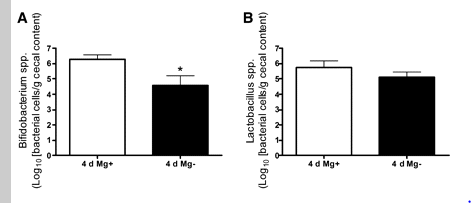
In my last post we found that magnesium enhanced the growth of bifidobacteria and lactobacillus — two groups of bacteria that CFS patients are low in. The majority of PubMed studies found that it also improve symptoms. Yet magnesium levels were found to be normal in blood cells — which raise the issue of “selective rationing of minerals and vitamins to the most critical components”. The blood is far more critical to maintain magnesium levels than incidental bacteria in the gut. Often testing assumes that the body is naive and does not do selective rationing.

In this next re-examination of supplements shown to help CFS/FM/IBS, I will look at Vitamin D. I have written often about the need to take sufficients (Mythology of Vitamin D toxicity,  changes from increasing Vitamin D, Vitamin 25D and 1,25D). A few citations:

  • “This study demonstrates for the first time a direct antiviral effect of vitamin D in an in vitro infectious virus production system.”[2011]
  • “vitamin D is the environmental factor that most strongly influences autoimmune disease development.”[2015]
  • “A significant negative correlation between vitamin D level and widespread pain index was found.”[2012] i.e. FM
  • Serum 25-Hydroxyvitamin D3 and BAFF Levels Are Associated with Disease Activity in Primary Sjogren’s Syndrome [2017].  “Female SS patients had significantly lower vit D levels  than controls” [2015]
  • “Our findings showed that the high-dose supplementation of vitamin D[9 of 50000 IU cholecalciferol capsules for 3 months taken at weekly intervals] affects measures of systemic inflammation: reductions in High-Sensitivity C-Reactive Protein level and Neutrophil-to-lymphocyte ratio (NLR) distribution.” [2017]
    • “The results of the meta-analysis of 10 trials involving a total of 924 participants showed that vitamin D supplementation significantly decreased the circulating hs-CRP level by 1.08 mg/L” [2014]

A longer quote from this year is beneficial

“Vitamin D was first discovered as the curative agent for nutritional c, and its classical actions are associated with calcium absorption and bone health. However, vitamin D exhibits a number of extra-skeletal effects, particularly in innate immunity. Notably, it stimulates production of pattern recognition receptors, anti-microbial peptides, and cytokines, which are at the forefront of innate immune responses. They play a role in sensing the microbiota, in preventing excessive bacterial overgrowth, and complement the actions of vitamin D signaling in enhancing intestinal barrier function. Vitamin D also favours tolerogenic rather than inflammogenic T cell differentiation and function. Compromised innate immune function and overactive adaptive immunity, as well as defective intestinal barrier function, have been associated with IBD. Importantly, observational and intervention studies support a beneficial role of vitamin D supplementation in patients with Crohn’s disease, a form of IBD. This review summarizes the effects of vitamin D signaling on barrier integrity and innate and adaptive immunity in the gut, as well as on microbial load and composition. Collectively, studies to date reveal that vitamin D signaling has widespread effects on gut homeostasis, and provide a mechanistic basis for potential therapeutic benefit of vitamin D supplementation in IBD.” [2017]

Now for some interesting links:

Bottom Line

The understanding of what Vitamin D does have changed over the last decades. Originally, it was know to cure rickets (and the recommended dosage became some 50 Iu/day), then it impacted bone loss and the dosage increased.  Today, we find that it is implicated in many areas, impacting the distribution of bacteria in the microbiome, and needed for a healthy gut microbiota.

The biggest problem is that MDs are often behind the times and do not work from the latest literature.  For example a single dosage of 600,000 IU of vitamin D is deemed safe on medscape, or 10,000 IU/day for months [source]. One of the studies above cited an average of 60,000 IU/day for 3 months!  [2017]


Revisiting Magnesium

I wrote about Magnesium and Malate acid back in 2012. There are sites that takes you thru the pros and cons of different magnesiums such as MAGNESIUM SUPPLEMENTS: DIFFERENT TYPES & DIFFERENT BENEFITS. I wish to do a short revisit by looking only at the pH of each because a hypothesis suggests that those having a higher pH (more alkaline) would likely have additional impact beyond just the magnesium.

  • Magnesium Gylcinate  9 – 11 [source] – $1.50/gram
  • Magnesium Oxide – 11.2   $ 0.02 /gram
  • Magnesium Citrate –  4.0 [source] [source]  $0.85/gram
  • Magnesium Malate – 7 – 11 [source]  $0.05/gram
  • Magnesium Taurate – 9-10 [source]  $1.00 /gram
  • Magnesium Threonate  -5.8 – 7 [source]  $ 0.50 /gram
  • Magnesium Carbonate – 10.41   $0.02 /gram
  • Magnesium Hydroxide (Milk of Magnesia) –  10.5  [source] $0.03/gram

There are three dimensions to consider:

  • Ability for magnesium to get absorbed (instead of just passing thru) — see link at top
  • pH of the product (more pH is usually better)
  • cost of the product.

Importance of Magnesium

Microbiome Dimension

pH factor

Optimal pH for Bifidobacterium bifidum is 7.0 [source] with other sources saying 6.5 – 7.0. Stomach acid is around 1.0-3.0.  This raise the question whether it may be good to take you bifidobacteria with magnesium instead of at a separate time..

From National Institute of Health site:

  • “Diets with higher amounts of magnesium are associated with a significantly lower risk of diabetes,”
  • “People who experience migraine headaches have lower levels of serum and tissue magnesium than those who do not.”
  • ” taking 300 mg magnesium twice a day, either alone or in combination with medication, can prevent migraines”
  • “Forms of magnesium most commonly reported to cause diarrhea include magnesium carbonate, chloride, gluconate, and oxide [11].”

Bottom Line

Magnesium impact on CFS etc may be because it encourages the growth of Lactobacillus and Bifidobacteria

Magnesium oxide/Magnesium Hydroxide are cited as less bioavailable. My conclusions today are still the same as in 2012, Magnesium Malate is the best bang for the buck (and bucks are always sparse for CFS patients!). Dosage should be determined by your MD, the literature indicated that 5000 mg/day can create problems with the young and the elderly, I would question more than 1000 mg/day and suggest that 600 mg/day (used to treat another condition successfully) may be warranted.

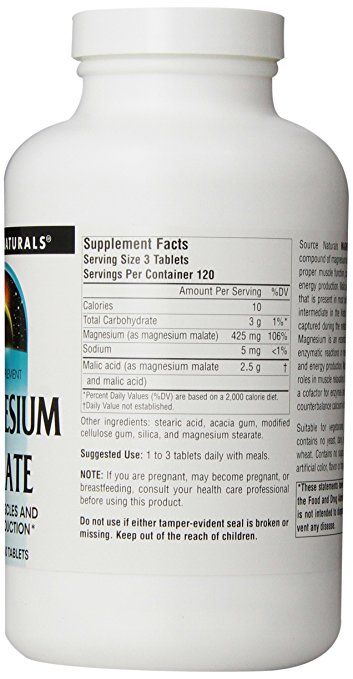
Note: Magnesium Malate tablets cited as 1250 mg is not 1250 mg of magnesium, just 425mg for three 1250mg tablets. That is  140 mg or magnesium per tablet, so 7 tablets of 1250mg per day would be needed to reach 1000 mg/day.

label

A very common mistake that CFS patients make in their brain fog is thinking that their dosage are sufficient. “Yes, I am taking Magnesium — it is in my multivitamin!” (Looking at Centrum multivitamins, I see there is 64 mg, approximately 1/10 of what may be needed to do corrective action for low magnesium).

As always, start with a low dosage and slowly work up.


THIS IS NOT MEDICAL ADVICE — this post is an education summary of what has been reported on PubMed. Always consult with a knowledgeable medical professional before changing diet, supplements and prescription drugs.


High Glutamate Levels – Low GABA caused by low bacteria levels?

Some CFS patients have been found to have high glutamate levels.  There are two possibilities:

  • Bacteria or infections producing too much
  • Bacteria that normally consumes it are missing — this I suspect is the more common cause of high levels in CFS.

Glutamate pathways are reported impacted in CFS [2017].

  • “These findings suggest that dietary glutamate may be contributing to FM symptoms in some patients.” [2012]
  • “patients with FM showed higher levels of glutamate/glutamine (Glx) compounds” [2010]
  • “CSF concentrations of substance P and glutamate have been repeatedly found to be increased in fibromyalgia patients [3234].” [2012]

Now we hit the interesting part of this issue:

  • “GI-tract-abundant Gram-positive facultative anaerobic or microaerophilic Lactobacillus, and other Bifidobacterium (Actinobacteria) species such as Lactobacillus brevis and Bifidobacterium dentium are capable of metabolizing glutamate to produce gamma-amino butyric acid (GABA),” [2014] [2012]
  • “The results revealed that 10 isolates, i.e., Lactobacillus buchneri (2 isolates), Lactobacillus brevis (6 isolates), and Weissella hellenica (2 isolates) had a high GABAproducing ability” out of 53 tested from Japanese foods: aburazushi, narezushi, konkazuke, and ishiru [2016]  10/53 or 19%
  • “In this paper, we screened our collection of 135 human-derived Lactobacillus and Bifidobacterium strains for their ability to produce GABA from its precursor monosodium glutamate. Fifty eight [58] strains were able to produce GABA. The most efficient GABA-producers were Bifidobacterium strains (up to 6 g/L)….The genes were found in the following genera of bacteria: Bacteroidetes (Bacteroides, Parabacteroides, Alistipes, Odoribacter, Prevotella), Proteobacterium (Esherichia), Firmicutes (Enterococcus), Actinobacteria (Bifidobacterium). These data indicate that gad genes as well as the ability to produce GABA are widely distributed among lactobacilli and bifidobacteria (mainly in L. plantarum, L. brevis, B. adolescentis, B. angulatum, B. dentium) and other gut-derived bacterial species.” [2016] 58/135 = 43% 

GABA Link

“GABA metabolism is dependent on the activity of three enzymes: glutamic acid decarboxylase, GABA-transaminase and succinic semialdehyde dehydrogenase. Decreased activity of these enzymes may cause many neurological syndromes, such as stiff-person syndrome, chronic fatigue syndrome, anxiety disorders and seizures.” [2007]

Bottom Line

Given any random bifidobacteria or lactobacillus strain, the possibility of it producing GABA from glutamate appears to be between 19% and 43%. The best odds are for

  • L. plantarum,
  • L. brevis,
  • B. adolescentis,
  • B. angulatum,
  • B. dentium

Given the low levels of bifidobacteria, lactobacillus and E.Coli seen in CFS patients, a high level of glutamate would be expected. It would not effect all because these are not the sole consumers of glutamate.

This model gives a concrete biological process accounting for this shifts seen.

Metformin – low dosages may help

I forwarded an article “Common diabetes drug may work by changing gut bacteria, study finds”  to a reader and he responded:

  • “This is fascinating Ken, thank you. I belong to untold numbers of CFS and Lyme Facebook groups, newsletters, forums, etc. Many of them talk of Metformin as being the biggest and best “new thing” out there for treatment. Once again it seems that all roads lead to the microbiome…”

I am opposed to trying random “new things” but very much in favor of trying “new things” that the model that you are using would predict to help.  With the microbiome model, I have had a very good batting average 🙂 .

What do we know about Metformin?

Bottom Line

The known shifts for metformin appear to be beneficial for CFS/Lyme patients with no reported negative shifts. I suspect that it will likely improve some subset of symptoms (which ones are unknown). It would be nice to see a formal study done and published for CFS/FM/IBS.

It is reported to have some side effects:

Metformin can rarely cause a serious (sometimes fatal) condition called lactic acidosis. Stop taking metformin and get medical help right away if you develop any of the following symptoms of lactic acidosis: unusual tiredness, dizziness, severe drowsiness, chills, blue/cold skin, muscle pain, fast/difficult breathing, slow/irregular heartbeat, stomach pain with nausea, vomiting, or diarrhea.” — of course, lactic acidosis is suspected to be a significant part of CFS…

On Facebook, a reader wrote ” I took metformin xr for my diabetes and it ripped me up!! Killed me with my IBS, to the point that I had to stop taking it.