I see I have a stack of comments as well as some phone calls to do today to some of my readers, so I will hopefully get caught up today.
Christmas can be a high risk scenario for CFS relapse
This christmas and new year ended with considerable fear in me of a potential relapse. I have been burning the candles at multiple ends (beyond both) since July with house renovations consuming weekends and weekday evenings, with practically nil time for myself. Christmas started with pre-event stress. My wife and daughter are uber-chemical sensitive and both had flares of autoimmune that lasted months from the last family gathering attended.
On Christmas eve morning, we got a call that an over 80 close relative had been taken by ambulance to hospital. This relative usually phones before calling an ambulance — so this raised stress levels… the relative is OK now. In short the potentially CFS relapsing stressors were:
- Stress dealing with issues of multiple over 80 relatives for which I am in the first round of support,
- Doing dutiful eating of the wrong type of food over many days of family visits
- Not maintaining regular exercise habit (IMHO, a key part of staying in remission)
Once we were done with seasonal activities and got home, stomach was in an upset condition, the body ache all over, waves of cold hands and feet, a decrease (but not loss of) executive decision making – more a strong preference for avoidance which is not typical for me, headaches (rare for me), psoriasis flaring badly after almost 2 years of being in remission, and 8 lb weight gain. Any (and all) of these symptoms are amber alerts for increased CFS relapse risk.
Remediation
For the last few days I have been on a 100% rye bread (no wheat gluten) and peanut butter diet (plus 1 egg/day) for breakfast, lunch and dinner, PLUS large dosages of Mutaflor (E.Coli Nissle) and bifidobacterium probiotics. I have been in the infrared sauna for an hour each day and pushing myself to do at least 1 hr of WII-fit each day. As well as these, heavy dosages of non-prescription anticoagulants(turmeric with black pepper, piracetam and other racetams, aspirin) especially fibrolytics (nattokinease, lumbrokinease, serrapetase) and 500 mg of flushing niacin (as a vasodilator).
The symptoms are decreasing quickly, including weight lost. My WII scores this morning set some new records, so the physical is coming back. Stomach is still upset a little but less so. It actually seems to become less upset after doing exercises.
Recap of Symptoms to Gut Bacteria shift
- Increase of weight without an apparent change of diet: this implies a shift of bacteria that may:
- Be more efficient in extracting calories from food
- Sending signals to the body to store food (“famine signals”)
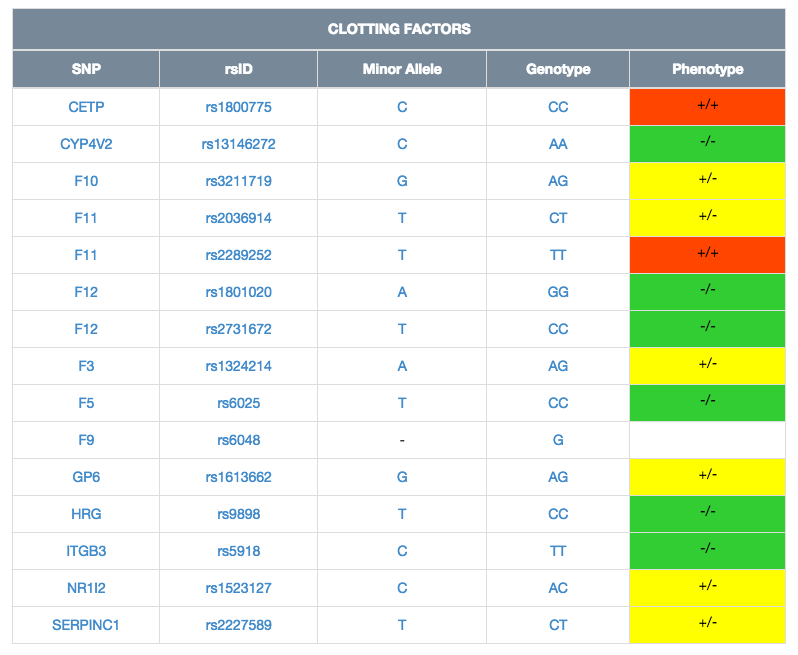
- Body ache all over, cold extremities — this implies a shift of bacteria that sends out coagulation or vascular constriction signals (i.e. the bacteria favors low oxygen environment)
- This is in keeping with the Berg-Hemex model/findings
- Cognitive changes — we already know that bacteria can cause significant cognitive changes in animals and there is increasing evidence of this in human (Article)
- Psoriasis – other autoimmune conditions will usually track with CFS risks.
Some nuggets that I found in a Christmas Present…
My wife gave me “Danish Cookbooks” by Carol Gold. This is NOT a cook book, but rather an academic study of cookbooks published in Denmark. I’m 100% Danish and very interested in history.
I have always been inclined towards going for ancestral diet patterns, and did Paleo for a while. My problem with Paleo is that it is more idealogical based than actual (scientific) archeologically based. It is also trying to jump the diet back thousands of years which effectively ignores how our bacteria evolved to meet our changes of diet.
A diet based on typical diet of your ancestors 400 – 1400 years ago is likely a better choice. You avoid the newly introduced foods, for example, potatoes. You also avoid process foods and modern additives. On the plus side, your gut bacteria is likely closer to the optimized bacteria your ancestors evolved from eating the same food for a thousand years.
In this book, I found two gems from the historical records:
- We have decreased the use of spice considerably — in 1600, the common spices were:
- cumin, anise, coriander, dill, fennel, lavender, sage, rosemary, mint, bay leaves, cloves, pepper, saffron, thyme, marjoram, nutmeg, cardamon, ginger, cinnamon, hyssop, wormwood, lemon balm, angelica-root.
- “The issue here is … the use of seasonings in general slackens” p.47
- Many of these spices (like wormwood and ginger) have strong antibacterial characteristics which would have kept some gut bacteria families in control well.
- “Their most common food was meat” p. 122
- White (wheat) bread was very uncommon, expensive, and typically seen only in upper class homes on special occasions(not as part of the regular menus). It appears that most of the carbohydrates came from Rye Bread.
I am sure that some readers who favor a diet that is vegan or vegetarian on ideological grounds would object to these suggestions. My response is simple, if your ancestors were vegetarians for centuries or millenniums (as some friends who were born in India can validly claim), then that is the right diet without any doubts.
Evidence shows that gut bacteria is inherited through generations — hence it is good to know what your ancestors ate because your gut bacteria have likely adapted to that diet. Given my heritage (which likely applies to people from the UK, Poland, northern France and Germany etc), this boils down to:
- Rye Bread without any wheat flour
- Meat and Fish (especially since the family seemed to always been within 5 miles of the coast back to 1500..)
- Vegetables:
No potatoes — they really did not enter my ancestor dies until the early 1800’s – after one of my great-grandfather was born. Little or no sugar (“Worldwide through the end of the medieval period, sugar was very expensive[1] and was considered a “fine spice“, but from about the year 1500, technological improvements and New World sources began turning it into a much cheaper bulk commodity.” – Wikipedia)
So I advocate not a Paleo diet, but a medieval-food diet (modified for modern nutritional perceptions).






 CFS Remission