ME/CFS Relapse Report #8

My recovery continues — I am doing up to 12,000 steps/day. Lactobacillus and bifidobacterium has returned to my microbiome. I no longer matching the criteria for a ME/CFS diagnosis and the remaining symptoms are minor and only occasionally appear.

If you are interested in taking this approach, suitable testing labs are listed here.

My last uBiome report was being processed when the uBiome site disappeared. I have since done a Thryve Alive report. I must honestly state that it is superior because it reported on more bacteria, as shown below.
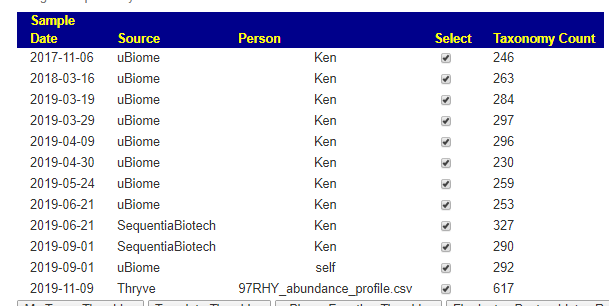
Ken Microbiome Results

Earlier reports for those that are interested in the timeline.

  • Report #1
  • Report #2
  • Report #3
  • Report #4
  • Report #5
  • Report #6
  • Report #7

For consistency, I will start by following the pattern in my prior #7 post.

Diversity

The changing of labs makes this difficult. Thryve reports more taxa which will cause an apparent jump to Diversity. This is very visible in the table below. There are two possible solutions: using FASTQ from all sources, uploading my uBiome FASTQ files to Thryve for processing with their analysis engine. Both of these will take some time to do.
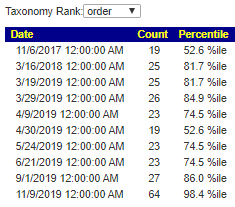
End Products and Taxonomy

I have not had time to update the charts to the fine grain percentile that I am showing for individual samples (on my to do list)

Lactobacillus is BACK!
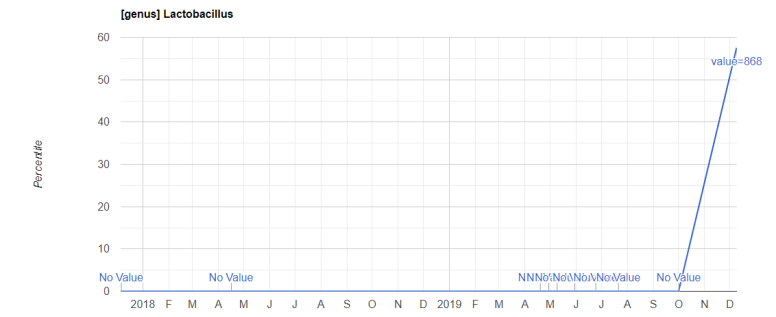
My levels are normal ( 57%ile)

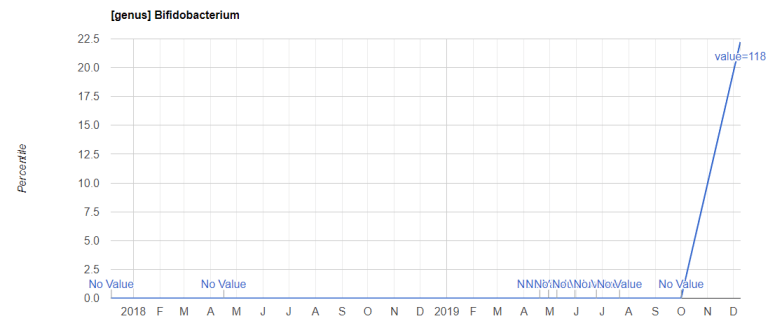
Bifidbacterium is back

I have some, low compare to other (22%ile), but it is there

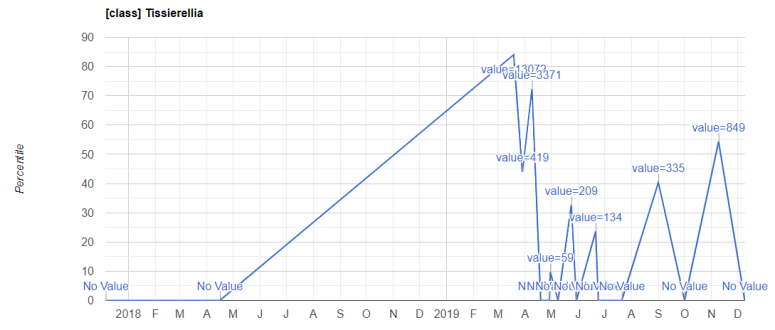
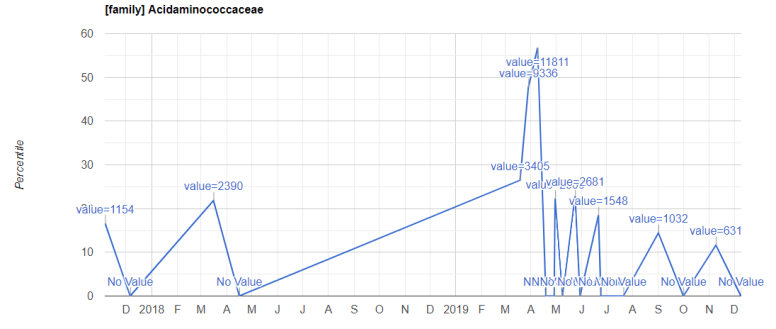
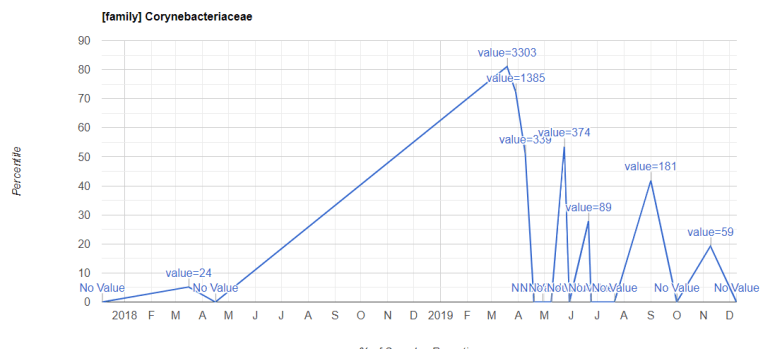
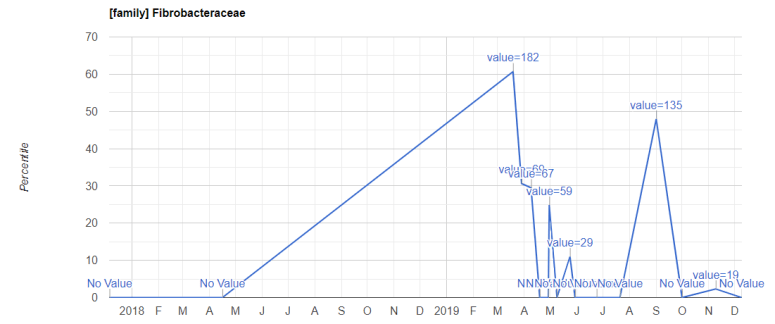
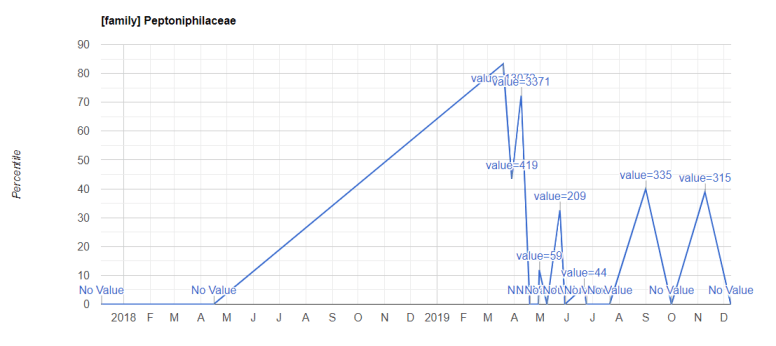
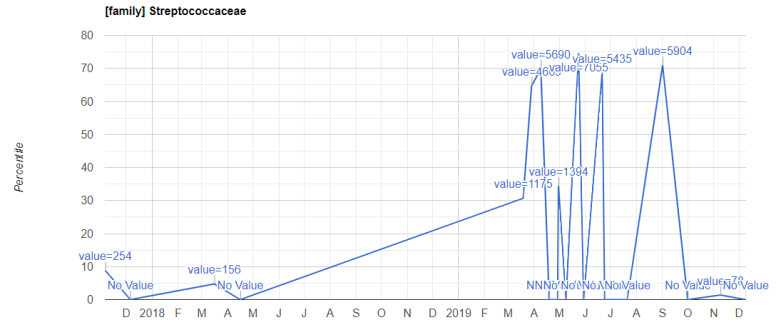
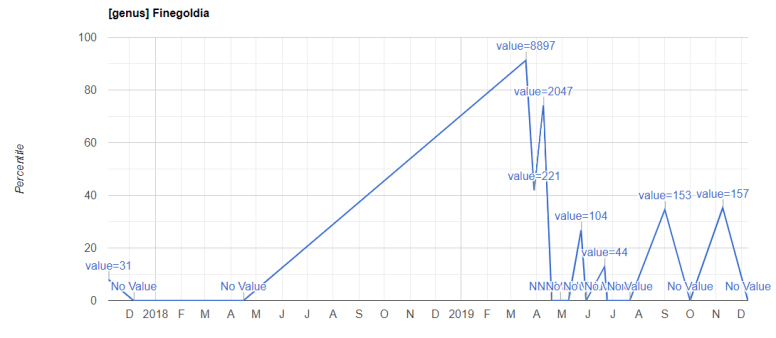
More interesting bacteria shifts

Remember the relapse started at the end of March, 2019.
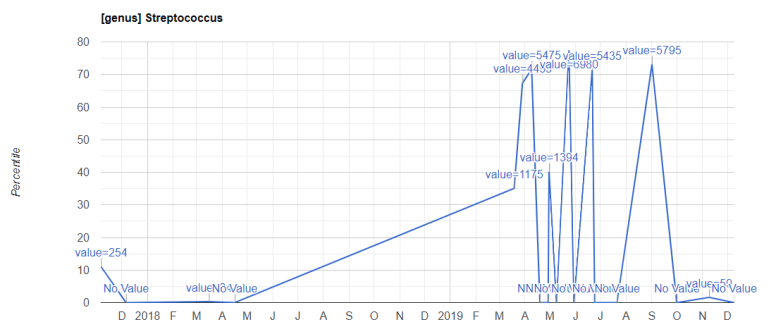
This bacteria is strongly associated to ME/CFS, IBS, Sjögren syndrome in published medical studies.
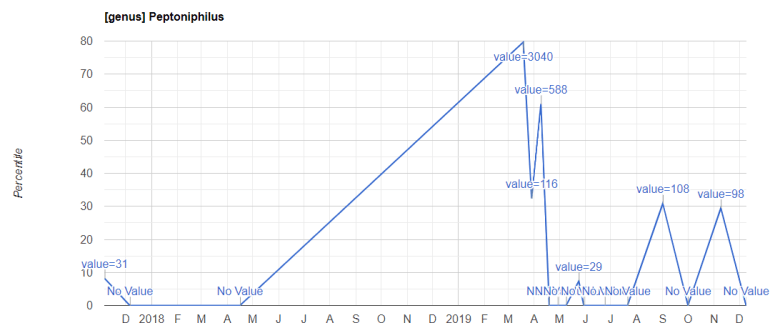
This bacteria seems strongly associated and appears to keep trying to come back.
I suspect this family are friendly to the above
As is this one.
One more of the ME/CFS Cartel
And more still

Bottom Line

This is a first part of my #8 report. The change to Thryve as a microbiome provider means that I do not have a variety of charts that uBiome provided and in some cases, I have start revising some pages to better show what is happening in terms of bacteria (most of the above charts are from a page that I revised today).

What do I owe my recovery to? “Eating my own dog food”. Before the relapse, I advocated the microbiome model and was already building the AI engine to make suggestions to correct the microbiome. It was a matter of getting regular microbiome samples (Thryve is my preferred provider today) and then adjusting supplements and diet from the suggestions made by the AI.
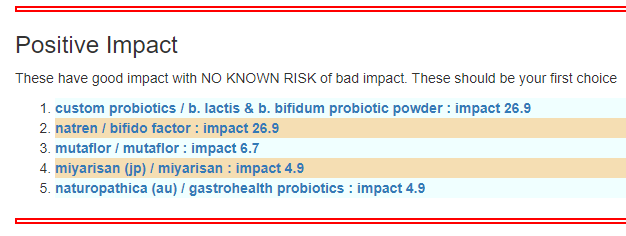
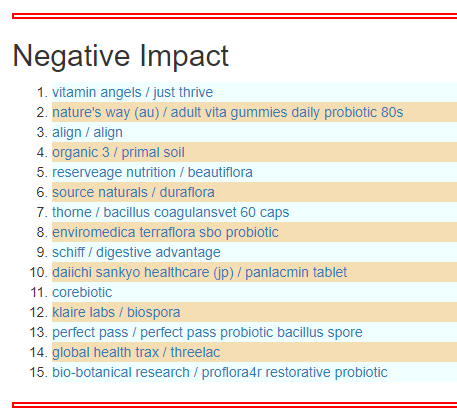
The probiotics that the AI currently advises — I am doing Symbioflor-2 (alternative to Mutaflor) and about to reorder from Custom Probiotics.
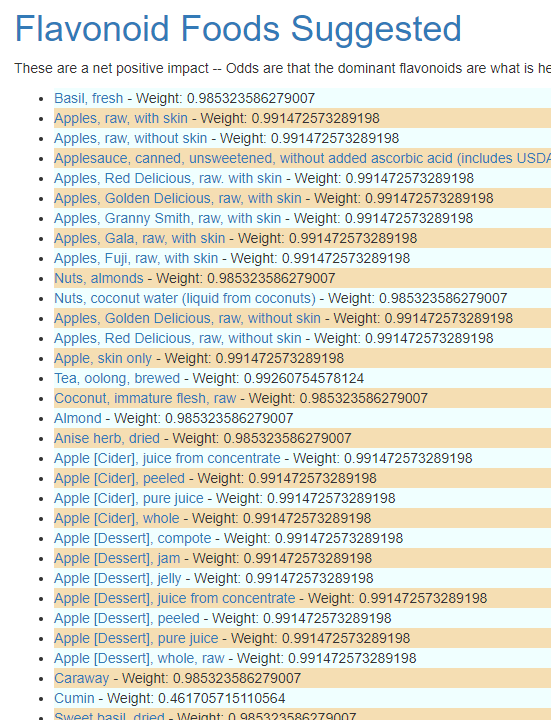
The ones that are definite avoids according to the AI
Hmmm.. Apple Pie looks like ‘medicine’ now

My remaining symptoms are occasionally exhaustion after a eight hour day of activities (with no apparent payback on the next day), this may include my tell-tale hiccups of becoming overtired. While I can multitask when required, I do active push back when asked to — it’s simply another stressor which it is best that I minimize.

On the other side, I would not dream of returning to my work situation of January 2019 with 90 minutes commute each way, dysfunctional work team, and occasional 12 hr days on site, etc. I am NOT that much recovered, and honestly, do not expect to be able (or want to) to do that again safely.

I am planning to send off another Thryve sample next week, to continue this story and monitoring.
What are common symptoms with ME/CFS?

It is important to note that the ME/CFS diagnosis often requires only 4 of these when other probable causes are excluded. Typically it is 6 months of tests to do a full and proper elimination of all of the probable causes. Some MDs are known to drop patients into this category (unprofessionally) instead of having to do full testing.

On some facebook groups, I have seen new ME/CFS patients ask “is XYZ common with ME/CFS” – this attempts to answer this with sources of information gathered from experienced professionals.

It is important to note that symptoms, severity etc changes over time –for each of the four incidence of ME/CFS that I have had, the dominant symptoms were different and in transition to remission, symptoms changed a lot (including new one appearing for short periods!)!

Life is never dull with ME/CFS Symptoms!

extreme physical and mental tiredness (fatigue)

sleep problems, such as insomnia

muscle or joint pain

headaches

sore throat or sore glands that aren’t swollen

problems thinking, remembering or concentrating

flu-like symptoms

feeling dizzy or sick

fast or irregular heartbeats (heart palpitations)

National Health Service (UK)

Greatly lowered ability to do activities that were usual before the ill Worsening of symptoms while standing or sitting upright. This is called orthostatic intolerance

Muscle pain and aches

Joint pain without swelling or redness

Headaches, either new or worsening

Tender lymph nodes in the neck or armpits

A sore throat that happens often

Digestive issues, like irritable bowel syndrome

Chills and night sweats

Allergies and sensitivities to foods, odors, chemicals, or noise

Center for Disease Control (US)

[ ]  Fatigue, characterized as a profound loss of energy
[   ] Worsening of symptoms after physical or mental exertion (post-exertional malaise, or PEM)
[   ] Cognitive function problems
[   ] Attention deficit disorder (inability to concentrate)
[   ] Feeling “spaced out” or “cloudy,” “brain fog”
[   ] Calculation difficulties
[   ] Memory loss
[   ] Spatial disorientation
[   ] Word searching or saying the wrong word
[   ] Sleep disturbance, unrefreshing sleep
[   ] Flu-like malaise, feeling “sick all over”, or “poisoned”
[   ] Sore throat
[   ] Low-grade fever or feeling hot often
[   ] Low body temperature
[   ] Muscle and joint aches with or without “trigger points”
[   ] Headache
[   ] Changes in vision
[   ] Numbness or tingling sensations
[   ] Loss of balance, dizziness
[   ] Unusually vivid dreams, nightmares, or lack of dreams
[   ] Depression
[   ] Anxiety, panic attacks
[   ] Personality changes
[   ] Mood swings
[   ] Difficulty moving the tongue to speak
[   ] Tinnitus (ringing in the ears)
[   ] Paralysis
[   ] Severe muscle weakness
[   ] Difficulty walking
[   ] Blackouts
[   ] Photophobia (light sensitivity), and increased sensitivity to noise, smells, touch
[   ] Alcohol intolerance
[   ] Changes in taste, smell, hearing
[   ] Decreased libido, impotence
[   ] Muscle twitches
[   ] Severe premenstrual syndrome (PMS) or exacerbation of symptoms before and during period
[   ] Weight changes, usually loss followed by gain
[   ] Painful, swollen lymph nodes, especially on the neck and underarms
[   ] Abdominal pain, diarrhea, nausea, gas, irritable bowel
[   ] New allergic reactions to medicines, food, and other substances
[   ] Night sweats
[   ] Heart palpitations
[   ] Uncomfortable or frequent urination
[   ] Rash of herpes simplex or shingles
[   ] Flushing, rash
[   ] Hair loss
[   ] Chest pain
[   ] Dry eyes and mouth (sicca)
[   ] Cough, dry
[   ] Canker sores
[   ] Cold hands and feet
[   ] Shortness of breath
[   ] Temperature and weather sensitivity
[   ] Symptoms worsen when standing up (orthostatic intolerance)
[   ] Seizures, usually petit mal, but sometimes grand mal

American Myalgic Encephalomyelitis and Chronic Fatigue Syndrome Society

. Most Common Symptoms of ME/CFS
Exhaustion, made worse by physical exercise (100%)
Low-grade fever in early stages (60-95%)
Recurrent flu-like illness (75%)
Frequent pharyngitis (sore throats) (50-75%)
Joint and muscle pain (65%)
Severe muscle weakness (40-70%)
Stiffness (50-60%)
Post-exertional fatigue & flu-like symptoms (50-60%)
Multiple sensitivities to medicines,  foods, and chemicals (40-60%)
Severe nasal & other allergies (often with worsening of previous mild allergies) (40-60%)
Frequently recurring, difficult to treat respiratory infections (40-60%)
Dyspnea (labored breathing or hunger for air) on exertion
Painful lymph nodes (especially on neck and under arms) (30-40%)
2. Neurological Symptoms
Sleep disorders & unrefreshing sleep (50-90%)
Headaches (35-85%)
Visual blurring (50-60%)
Intolerance of bright lights
Parasthesias (numbness or tingling feelings) (30-50%)
Dizziness/ Lightheadedness (30-50%)
Ringing in the ears
Impaired cognition (50-85%)
Attentional difficulties
Calculation difficulties
Memory disturbance
Spatial disorientation
Saying the wrong word
3. Other Symptoms
Worsening of premenstrual symptoms (70% of women)
Nocturia (excessive urination during the night) (50-60%)
Tachycardia (abnormal rapid heart action) (40-50%)
Chest pain (25-40%)
Cough (30-40%)
Weight gain (50-70%)
Nausea, especially in earlier stages (50-60%)
Diarrhea, intestinal gas or irritable bowel (50%)
Intolerance of alcohol
Night sweats (30-50%)
Dry eyes (30-40%)
Dry mouth (30-40%)
Rash (30-40%)
Frequent cancer sores (30-40%)
Herpes simplex or shingles (20%)
Symptoms worsened by extremes in temperature
4. Less Common Symptoms
Mitral valve prolapse
Paralysis
Seizures
Blackouts
5. Psychological symptoms
Depression (reactive or secondary depression)
Anxiety (including panic attacks and personality changes)
Emotional lability (mood swings)
Psychosis

 Massachusetts ME/CFS & FM Association.

Cognitive
difficulties processing information
concentration problems
confusion
difficulties with word retrieval
word mix-ups
short-term memory difficulties
slowness in cognitive processes

Motor (movement) and balance
muscle weakness or paralysis
poor balance, ataxia & tandem gait
clumsiness & tendency to drop things
difficulty in tandem gait
atypical numbness or tingling

Sleep disruption
sleep disturbance – hypersomnia or insomnia
non-refreshing sleep

Visual and auditory[edit | edit source]
photophobia
visual changes or eye pain
double, blurred or wavy vision
dry or itchy eyes
tinnitus – buzzing or ringing in ears
hyperacusis & cocktail party phenomena

Neuropsychological
emotional flattening or personality change
loss of adaptability
anxiety &/or panic attacks
reactive depression
worsening of symptoms with stress

Immune system
new sensitivities to medications, chemicals
tender lymph nodes
recurrent sore throat
recurrent flu-like symptoms

Reproductive
dysmenorrhea
PMS or irregular menstrual cycles
loss of sexual libido or impotence

Respiratory (breathing)
exertional dyspnea (short of breath)
sinusitis
persistent cough & wheezing

Urinary
urinary frequencybladder dysfunction

Circulatory
neurally mediated hypotension
postural orthostatic tachycardia syndrome (POTS)
delayed orthostatic hypotension
dizziness/light-headedness
heart palpitations
fluid retention
extreme pallor
bruising

Digestive
lump in throat
nausea
heartburn
abdominal pain
irritable bowel syndrome

Neuroendocrine
loss of thermostatic stability – low body temperature or diurnal fluctuations
hot flushes
excessive sweating or night sweats
feelings of feverishness
feelings of cold extremities
heat/cold intolerance
anorexia or abnormal appetite
marked weight loss or gain
hair loss

Musculoskeletal
pain in muscles (myalgia)
muscle cramps, particularly in legs
chest pain and pressure
pain in multiple joints (arthalgia)
TMJ

Neurological (nervous system)
persistent fatigue
lack of endurance
migraines or new onset headaches
seizure-like phenomena

Sensory
hypersensitivity to pain
hyper-responsiveness to noxious stimuli
perceptual & dimensional distortions
feeling of burning or swelling
overload phenomena
loss of cognitive map

Canadian consensus criteria (CCC) symptom list

Bottom Line

The model that I use for ME/CFS is a microbiome dysfunction. On my citizen science site, we have found extremely strong associations of some symptoms with specific bacteria shifts.

Review those associations here:
http://microbiomeprescription.com/Data/EurekaExplorer1

Bacteria Changers have increased

A reader reported a bug with the manual selection of which taxa to modify page that I did a while back. As a result, I smoothed the flow; I also realized that I need to allow a wider search for modifiers since the bacteria selected may have few known modifiers from studies– especially when a species or strain is selected.
Site: http://microbiomeprescription.com/

Quick Recap on how to Manual Select bacteria taxa

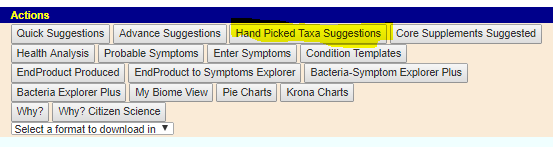
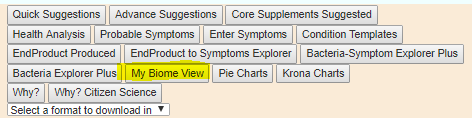
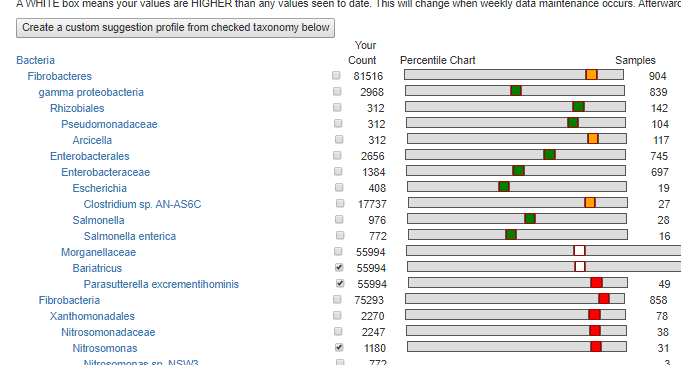
This is done via the “My Biome View” button from the Samples Page

On this page, you can select which taxa you wish to have included in the suggestions. You make the choices entirely.

Click the button and you will return to the Sample Page and a new button will appear:

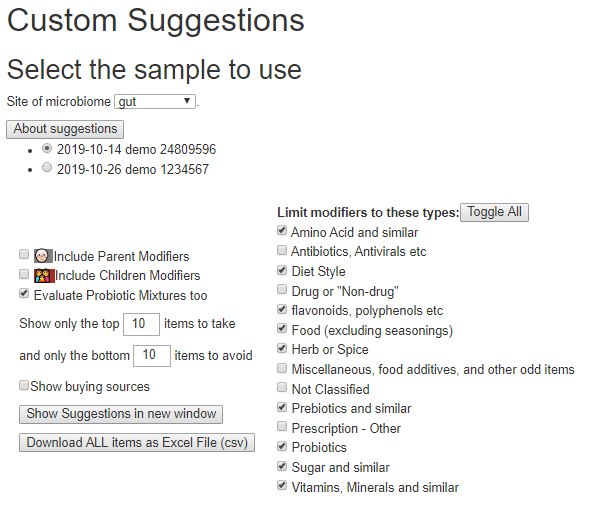
This takes you to the usual custom suggestion page (except most of the bacteria filters are hidden — after all, you have hand picked them!)

Note the new choices with emojis!

Parent and children Modifiers are being added

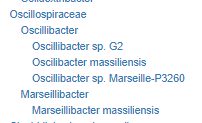
Bacteria is reported in a hierarchy, the next level up is the parent, the next level down are the childern

Above you see that the Parent of Oscillibacter is Oscillospiraceae. Things reported to modify the parent will likely modify its children. The key work is likely. A modifier may reduce Marseillibacter but not Oscillibacter; we lack the studies.

Similarly, the three children of Oscillibacter may have items that modify them. One would expect that if something reduces one of the children then Oscillibacter would be reduced too! Again the key word is likely.

On the Reference pages for Bacteria, you will now see three icons

IF we have 10 or more modifier documented to change this bacteria, we do not include the parent or the children. If we have less than 10 then we include this additional information (giving it a reduced weight reflecting the greater uncertainty).

On some bacteria you may see the same items from all three levels!

Bottom Line

Do not ask me what is the right way to get suggestions. We do not know. What I can provide are tools that will generate suggestions is a logical manner. This latest addition extends the prior choices by:

  • Allowing you to hand pick the taxa from your sample, one by one
  • Allows you to extend the list of modifiers by asking to include items that modify its children (i.e. Lactobacillus Fermentum CQPC04 modifiers would be added to Lactobacillus Fermentum , OR/and its parent (i.e. Lactobacillus) if we have sparse information on how to modify it.

I expect only a few people will make use of this; but it is there if you want absolute control.

Gluten Consuming Bacteria

I have a regular task of manual reviewing potential studies selected by Textural Analysis (Artificial Intelligence/Data Science) published on PubMed. The count of articles reviewed by the AI and myself (for those that the AI selected) is up to 456,847 with many more to go. One of these articles listed the bacteria identified by this study (from human samples) that consumes/process gluten.

It is logical to hypothesis that gluten intolerance/issues is connected to the absence/low numbers of these bacterias.

Diversity of the cultivable human gut microbiome involved in gluten metabolism: isolation of microorganisms with potential interest for coeliac disease. MS Microbiol Ecol. 2014 May;88(2):309-19.

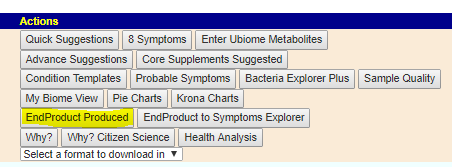
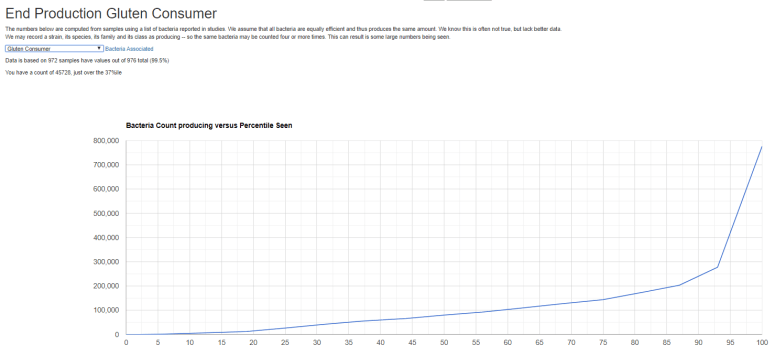
I have added these facts to my website and created a new entry under End Products.

I do not have (in reality) any issues with gluten, and at 37%ile, I would not expect any.

Bottom Line

This is an experimental page. I am curious to see what people with mild to severe gluten issues report their readings to be.

If you are gluten intolerance and wish to see it this explanation actually fits, I would suggest a 16s analysis of your microbiome. With the death of uBiome, Thryve offers the best “bang” (most taxa reported – 500-1200 different bacteria often) for the cost ($ < $100).

Microbiome Shifts Reduces Symptoms in ME/CFS

The 2018 study, “Open-label pilot for treatment targeting gut dysbiosis in myalgic encephalomyelitis/chronic fatigue syndrome: neuropsychological symptoms and sex comparisons.” reports symptoms improvements with increases and decreases of certain bacteria associated with ME/CFS.

A reader asks me to do a recap of what the known shifts are, and thus what you wish to try to correct (and not inadvertently increase by the wrong supplements, probiotics or diet choices).

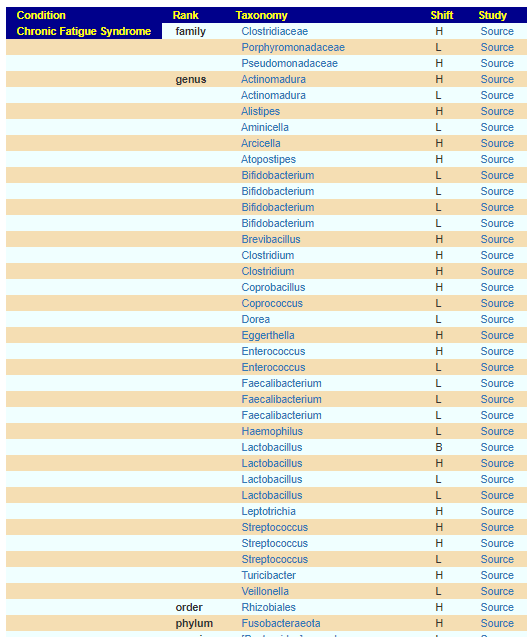
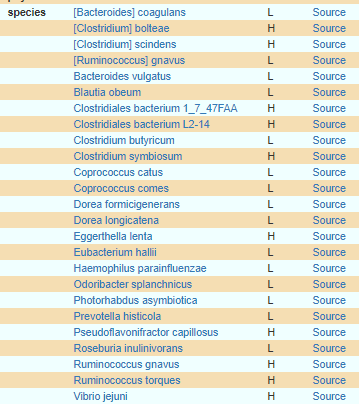
In terms of published studies, I have assembled a dynamic list on my website (not verified and subject to data entry errors) shown below for genus level and above. When an item is repeated on multiple lines, this means that we have multiple studies report it. H-High, L- Low, B- High or Low (outside of normal)

It is unlikely that every ME/CFS will have all of these shifts. Most will have some.

At the Strain Level, we also have a long list,

Remember, for Low, it is not uncommon for people to have none of these and be perfectly healthy. The Low count is from the average of the group in the study and not definitive for any individual.

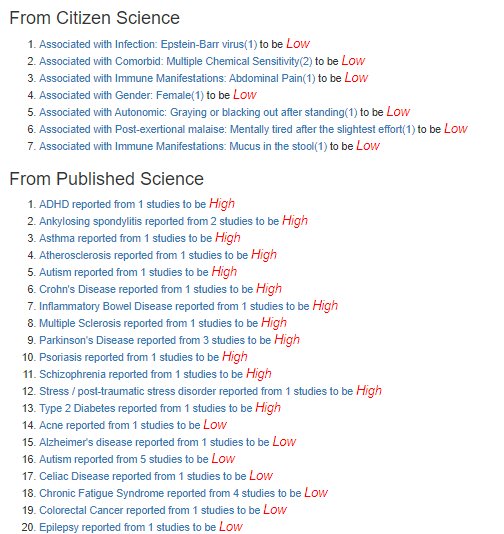
Using the citizen science aspect of my site, we do not have a information based on physician verification of precise clinical definition but solely on self-reporting of symptoms. If click on one of the above, say Bifidobacterium, we see two things listed:

  • Citizen Science discoveries dealing with symptoms.
  • Published studies listing conditions that may have the same shift (thus, potential conditions that ME/CFS may evolve to).

For 1 (EBV),2 (MCS), 4(Female), 5, 6 (Post exertional malaise) are in the list of items that are used for a ME/CFS diagnosis

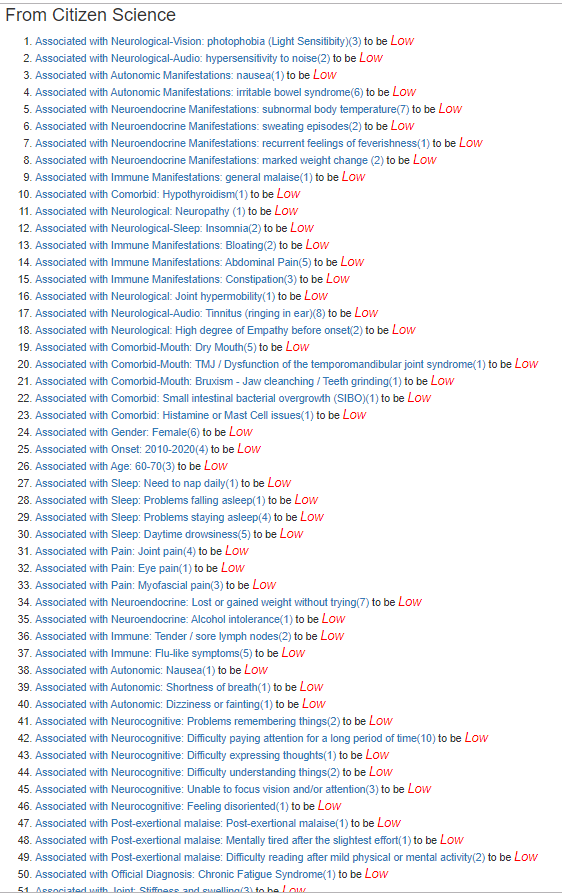
Going over to Faecalibacterium (3 citations) – another LOW one, we see a more massive symptom list, many many are in the classic ME/CFS diagnosis list.

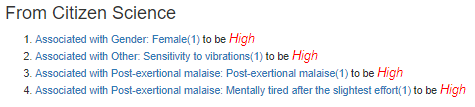
Doing another one, Streptococcus – a HIGH one for a change (3 citations – 2 high and 1 low), we see

Double Validation

One list of bacteria comes from studies on patients that conform to strict definitions of ME/CFS. The other list of bacteria comes out of the symptoms people self-report and their 16s microbiome results. We have a very strong agreement with the results coming from two independent approaches.

What does this mean?

It means that altering the microbiome will improve symptoms (as indicated in the study cited at the start; and in personal agreement with my own experience and many of my readers).

The next step is to determine which of these long lists of bacteria is involved with your ME/CFS/IBS etc. The old conventional tests only does a few of the bacteria — and do not cover all of those reported in studies. By old conventional tests, I mean:

A 16s report is strongly recommended (choices). Thryve offers the best “bang” (most taxa reported – 500-1200 different bacteria often) for the cost ($ < $100). Many 16s tests are sold direct to consumers and do not require going thru a physician (Just like DNA tests, for example 23andMe).

Once you know the bacteria involved, you need to know how to change them. If your physician, nutritionist or other health professional are well skilled and read on the microbiome, they should be able to guide you.

If they are not, I have created my free analysis and suggestion artificial intelligence engine http://microbiomeprescription.com/ which uses over 95,000 medical facts on the microbiome. You must review those suggestions with your medical profession because some may be inappropriate given other medical conditions.