Compare Drugs, Supplements impact on Microbiome

As a result of the last post, I have added the ability to compare the impact of some 1,700 different items that I have entered into my AI engine.

If you go to: this page , you will see an updated UI. We have a large number of substances, so we implemented a search and add in place of the original list all.

Click on any of these, will display a page listing items in this class of modifiers. Each item has a checkbox beside them. Simply check the items you wish to compare and then click the compare button.

For example, you want to compare impact of different algae supplements.

comp1

Example of results

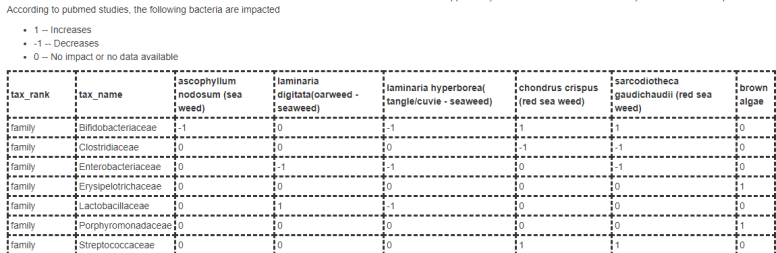
As you can see below — different algae has different responses.

compar2

comp

Bottom Line

This tool will give you more information when there are alternatives to determine the best one (theoretically).

This is an education post to facilitate discussing this approach with your medical professionals. It is not medical advice for the treatment of any medical condition. Always consult with your medical professional before doing any  changes of diet, supplements or activity. Some items cites may interfere with prescription medicines.

Benadryl, Histamines, Mast cells and Microbiome

A reader who has been very very limited in what they can eat due to histamine response — so limited that a good day is just 500 calories. She has stated taking benadryl once a day with major improvement.

She started taking it on the suggestion of a physician when she shared with the physician that she may have a mast cell dysfunction. I must emphasis, that she was careful to ‘share a suspicion‘ — informing a physician of your self-diagnosis often leads to labelling by medical professional and poor cooperation.

Benadryl is diphenhydramine. It is also known as  Benadryl, Banophen, Diphenhist, Wal-Dryl, Nytol, Unisom, ZzzQuil, Diphen, Benadryl Allergy, Aller-G-Time, and more

Why Benadryl and not some arbitrary antihistamine?

“Diphenhydramine is a sedating peripheral H1 receptor antagonist. It is used for symptomatic relief of allergic symptoms caused by histamine released in response to allergens.”[eMedicine]  H1 receptor antagonist is the fancy way of saying H1-Blocker.

As with most things biological, there are multiple paths to a reaction. In some cases a H2 blocker is a better choice. [eMedicine] lists these as other H1 blockers and sedating (quieting the release of histamines):

There are other H1 blockers but they are not poor sedating or selective.  These include:

In short, all antihistamines are not the same in how they are acting. Finding the right one if you are dealing with histamine and mast cell issues is essential.

But Wait! Let us examine the difference in Microbiome impact!

I tend to be a firm believer that some medicines and drugs also owe their effectiveness to changes of the microbiome they cause.These changes alter metabolites/chemicals the the microbiome produces and the body reacts to. Unfortunately, information on the expensive diamine oxidase (DAO) that is used also, is not available.

In time, I have a page to allow readers to do this themselves on my http://microbiomeprescription.com/ site – that is, examine microbiome impact when there are multiple candidate drugs to treat an issue.

Table below in Excel: Antihistamines

  • -1 : decreases
  • 1 : increases
  • 0 : no impact
tax_rank tax_name Hydroxyzine_hydrochloride Diphenhydramine Cyproheptadine Loratadine Desloratadine Fexofenadine Cetirizine
family Bacteroidaceae -1 -1 -1 -1 -1 -1 -1
family Bifidobacteriaceae -1 -1 -1 0 -1 -1 -1
family Clostridiaceae -1 -1 -1 -1 -1 -1 -1
family Coriobacteriaceae -1 -1 -1 -1 -1 -1 -1
family Desulfovibrionaceae -1 -1 -1 -1 -1 -1 -1
family Enterobacteriaceae -1 -1 -1 -1 -1 -1 -1
family Eubacteriaceae -1 -1 -1 0 -1 -1 -1
family Fusobacteriaceae -1 -1 -1 -1 -1 -1 -1
family Lachnospiraceae -1 -1 -1 -1 -1 -1 -1
family Peptostreptococcaceae -1 -1 -1 -1 -1 -1 -1
family Porphyromonadaceae -1 -1 -1 -1 -1 -1 -1
family Prevotellaceae -1 -1 -1 -1 -1 -1 -1
family Ruminococcaceae -1 -1 -1 -1 -1 -1 -1
family Streptococcaceae -1 -1 -1 -1 -1 -1 -1
family Veillonellaceae -1 -1 -1 -1 -1 -1 -1
family Verrucomicrobiaceae -1 -1 -1 -1 -1 -1 -1
genus Akkermansia -1 -1 -1 -1 -1 -1 -1
genus Bacteroides -1 -1 -1 -1 -1 -1 -1
genus Bifidobacterium -1 -1 -1 0 -1 -1 -1
genus Bilophila -1 -1 -1 -1 -1 -1 -1
genus Blautia -1 -1 -1 0 -1 -1 -1
genus Clostridium -1 -1 -1 -1 -1 -1 -1
genus Collinsella -1 -1 -1 0 -1 -1 -1
genus Coprococcus -1 -1 -1 0 -1 -1 -1
genus Dorea -1 -1 -1 0 -1 -1 -1
genus Eggerthella -1 -1 -1 -1 -1 -1 -1
genus Escherichia -1 -1 -1 -1 -1 -1 -1
genus Eubacterium -1 -1 -1 0 -1 -1 -1
genus Fusobacterium -1 -1 -1 -1 -1 -1 -1
genus Odoribacter -1 -1 -1 -1 -1 -1 -1
genus Parabacteroides -1 -1 -1 -1 -1 -1 -1
genus Peptoclostridium -1 -1 -1 -1 -1 -1 -1
genus Prevotella -1 -1 -1 -1 -1 -1 -1
genus Roseburia -1 -1 -1 -1 -1 -1 -1
genus Ruminococcus -1 -1 -1 -1 -1 -1 -1
genus Streptococcus -1 -1 -1 -1 -1 -1 -1
genus Veillonella -1 -1 -1 -1 -1 -1 -1
species Akkermansia muciniphila -1 -1 -1 -1 -1 -1 -1
species Bacteroides caccae -1 -1 -1 -1 -1 -1 -1
species Bacteroides fragilis -1 -1 -1 -1 -1 -1 -1
species Bacteroides ovatus -1 -1 -1 0 -1 -1 -1
species Bacteroides thetaiotaomicron -1 -1 -1 -1 -1 -1 -1
species Bacteroides uniformis -1 -1 0 -1 -1 -1 -1
species Bacteroides vulgatus -1 -1 -1 -1 -1 -1 -1
species Bacteroides xylanisolvens -1 -1 -1 -1 -1 -1 -1
species Bifidobacterium adolescentis -1 -1 -1 0 -1 -1 -1
species Bifidobacterium longum -1 -1 -1 0 -1 -1 -1
species Bilophila wadsworthia -1 -1 -1 -1 -1 -1 -1
species Collinsella aerofaciens -1 -1 -1 0 -1 -1 -1
species Dorea formicigenerans -1 -1 -1 0 -1 -1 -1
species Eggerthella lenta -1 -1 -1 -1 -1 -1 -1
species Escherichia coli -1 -1 -1 -1 -1 -1 -1
species Fusobacterium nucleatum -1 -1 -1 -1 -1 -1 -1
species Lactobacillus paracasei -1 -1 -1 0 -1 -1 -1
species Odoribacter splanchnicus -1 -1 -1 -1 -1 -1 -1
species Parabacteroides distasonis -1 -1 -1 -1 -1 -1 -1
species Parabacteroides merdae -1 -1 -1 -1 -1 -1 -1
species Peptoclostridium difficile -1 -1 -1 -1 -1 -1 -1
species Roseburia hominis -1 -1 -1 -1 -1 -1 -1
species Roseburia intestinalis -1 -1 -1 0 -1 -1 -1
species Streptococcus parasanguinis -1 -1 -1 -1 -1 -1 -1
species Streptococcus salivarius -1 -1 -1 -1 -1 -1 -1
species Veillonella parvula -1 -1 -1 -1 -1 -1 -1
species_group Lactobacillus casei group -1 -1 -1 0 -1 -1 -1

Bottom Line

I hope this post will educate people that “all antihistamines are not the same” – both in terms of known mechanism as well as impact on the microbiome.

I am hoping to have a page done by next weekend that will allow the impact of various medications and drugs (as far as is known and published) on the microbiome.

Addendum

The reader is also taking the following in addition to help with  the suspected mast cell issues:

This is an education post to facilitate discussing this approach with your medical professionals. It is not medical advice for the treatment of any medical condition. Always consult with your medical professional before doing any  changes of diet, supplements or activity. Some items cites may interfere with prescription medicines.

Review of Antrantil

A reader asked me to review Antrantil which is often sold for digestive issues.

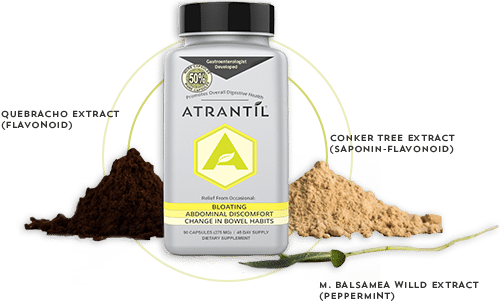
“Atrantíl is a nutraceutical made up of three botanical extracts that work by calming the gut with Peppermint Leaf (M. balsamea Willd extract), then soaking up hydrogen with Quebracho extract(flavonoid) and stops methane production with Horse Chestnut (Conker Tree extract).” [Product Site]

atrantil-bottle-ingredients2

Unfortunately, there is nothing on PubMed (so no recognized published studies). It’s name is also very close to the name of some very different chemicals!

This is nice to have the three components listed because it allows us to determine a probable profile of it’s action.

Quebracho extract

Unfortunately, most of the literature deal with cattle and chicken

Horse Chestnut

There are some risks with this:
Acute Effusive Pericarditis due to Horse Chestnut Consumption. [2016]

“Properly processing horse chestnut seed extract removes esculin. The processed extract is considered generally safe when used for short periods of time. However, the extract can cause some side effects, including itching, nausea, gastrointestinal upset, muscle spasm, or headache.”  [NIH]

Bottom Line

There are no human studies on PubMed for two of the ingredients. These items fall under the general classification of gallic acid and tannins , which we know the general impact of on microbiomeprescription.

The marketing site claims “clinical testing with real patients was used to truly identify what combination of a multiple array of natural botanicals could have a positive impact with finding real and meaningful relief.” It appears to be based on unpublished studies of unknown quality.

Economics

45 x 550mg = 24 grams or 0.8 Ounce for $40.00

Versus:

It is more economic to buy the components by far. It also allows you to see what the impact of each component is. I would avoid the horse chestnut (or do it under MD supervision).

For a digestive product to use a component know to cause “gastrointestinal upset” does raise my eyebrows. 

This is an education post to facilitate discussing this approach with your medical professionals. It is not medical advice for the treatment of any medical condition. Always consult with your medical professional before doing any  changes of diet, supplements or activity. Some items cites may interfere with prescription medicines.


Probiotic Resistance

Last night, I caught a podcast from CBC on Quirks & Quarks. The 15 minute podcast is on the page linked. There are two papers linked

There are several highlights:

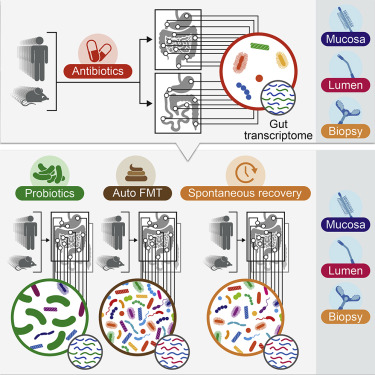
  • The murine (mouse) & human gut mucosal microbiome only partially correlates with stool
  • Mice feature an indigenous-microbiome driven colonization resistance to probiotics
  • Humans feature a person-specific gut mucosal colonization resistance to probiotics
  • Probiotic colonization is predictable by pre-treatment microbiome & host features
  • Murine gut mucosal probiotic colonization is only mildly enhanced by antibiotics
  • Human gut mucosal probiotic colonization is significantly enhanced by antibiotics
  • Post antibiotics, probiotics delay gut microbiome and transcriptome reconstitution
  • In contrast, aFMT restores mucosal microbiome and gut transcriptome reconstitution

fx1fx11

Some quotes from reviews:

“”Although all of our probiotic-consuming volunteers showed probiotics in their stool, only some of them showed them in their gut, which is where they need to be,” says Segal.

They also found that stool only partially correlates with the microbiome functioning inside the body, so relying on stool as was done in previous studies for many years could be misleading.

“Contrary to the current dogma that probiotics are harmless and benefit everyone, these results reveal a new potential adverse side effect of probiotic use with antibiotics that might even bring long-term consequences,” Elinav says. ” [src]

“While probiotics are viewed as safe for healthy individuals, potential harms may be underreported: a recent systematic review of randomized controlled trials of probiotics, prebiotics or synbiotics showed that only nine of 384 trials (2 percent) appropriately reported harms according to guidelines outlined in the CONSORT (Consolidated Standards of Reporting Trials) Statement. Further, the long-term impact of taking probiotics has not been systematically investigated.

In the participants where probiotic strains could be detected, yes, there was a detectable change in their gut microbiome. However, there was no predictability or consistency in the change to the microbiome.” [src]

“Elinav’s group found that six of the treated subjects had higher levels of colonization with the probiotic microbes, whereas the other four remained the same as their baseline….Just by looking at stool samples, the researchers could not differentiate between the two groups—the responders and the nonresponders—corroborating their earlier findings that stool samples may not always reflect what is happening inside the gut. ” [src]

Bottom Line

These papers help clarify that trying probiotics is around a coin-toss in terms of probability. In my humble opinion, non-antibiotic and non-probiotic intervention is looking more and more a better path. It may also be slower, but the changes are more likely to persist.

This recent study, also in Cell, help illustrates the point of diet impacting the microbiome.

gutbacteriaus

My analysis site has the current evidence base interactions between a vast number of substances and the microbiome.

Exercise and the microbiome

While doing my periodic review of articles on PubMed dealing with the microbiome, I came across Gut dysbiosis is associated with the reduced exercise capacity of elderly patients with hypertension [2018].

  • “The abundance of Betaproteobacteria, Burkholderiales, Alcaligenaceae, Faecalibacterium and Ruminococcaceae was diminished in subjects with a reduced exercise capacity”
  • “Escherichia coli are a primary producer of trimethylamine and inflammation in the human gut, and the abundance of this bacteria was increased in patients with a reduced exercise capacity”

A related article Intestinal Metagenomes and Metabolomes in Healthy Young Males: Inactivity and Hypoxia Generated Negative Physiological Symptoms Precede Microbial Dysbiosis [2018] found that after inactivity (HBR):

  • Eubacterium ventriosum(p = 0.028), Bacteroides sp. (p = 0.045) and Proteobacteria [Escherichia coli (p = 0.026), Shigella sp. (p = 0.029), Veillonella sp. (p = 0.042)] were significantly enriched “
  • “members of the genus Bacteroides were significantly enriched at the end of HBR variant [B. xylanisolvens (p = 0.012), B. finegoldii (p = 0.015), B. ovatus (p = 0.015), B. sp. D22 (p = 0.018); B. sp. D1 (p = 0.021), B. thetaiotaomicron (p = 0.021), B. fragilis (p = 0.033), B. caccae(p = 0.036), B. cellulosilyticus (p = 0.04), B. capillosus (p = 0.045), B. dorei (p = 0.048)]. In addition, B. eggerthii (p = 0.02) and B. pectinophilus (p = 0.049) were decreased at the end”
  • “a significant increase in the presence of the members of the genus Bacteroides in HBR participants that belonged to species, previously linked to various dysbioses in humans (e.g., intestinal tract inflammation, obesity, insulin resistance, hyperglycemia, metabolic syndrome, T2D “

Hypoxia and inactivity related physiological changes precede or take place in absence of significant rearrangements in bacterial community structure: The PlanHab randomized trial pilot study [2017]

  • “The first significantly enriched taxa were probably inflammagenic and mucin degrading species BthetaiotamicronBacidifaciensBfragilisB.dorei and other members of the genus Bacteroides in HBR variant characterized with the most severe inflammation symptoms, indicating a shift towards host mucin degradation and harmful immune crosstalk. “
  • “The inactivity-generated negative physiological and psychological symptoms diminished after reintroduction of exercise …over 14 days”

Bottom Line

A change of microbiome is seen in as little as 5 days of inactivity. Once changed, it may take up to 2 weeks after activity is resumed for the microbiome to return to normal. A secondary aspect, from looking at the microbiome of the elderly, is that some microbiome shift may diminish exercise capacity on an ongoing basis.

For those dealing with microbiome dysbiosis associated with an autoimmune condition, it re-emphasis the importance of getting regular daily exercise — but expectations should be not to see any real changes until 2 weeks into this life style changes