Neurology: Amyotrophic Lateral Sclerosis (ALS)

This is the third of a series of posts dealing with various forms of cognitive impairment that are often age related. My first posts dealt with Alzheimer’s Disease and Parkinson’s Disease. My personal suspicion is that a significant catalyst (if not actual cause) is the lost of microbiome as we age.

The Light Bulb Event

Almost a decade ago, I had a relapse of a condition that I had before and was sent for a SPECT scan. The radiologist suggested that it may be early onset Alzheimer’s. I was having problems with memory then, especially retaining recent memories. In 2017, for the same condition, a patient died and when their brain was examined, this study found

“Among the most remarkable pathological features of the case are focal areas of white matter loss, neurite beading, and neuritic pathology of axons in the white matter with axonal spheroids. Atypical neurons displaying aberrant sprouting processes in response to injury are observed throughout cortical gray and white matter. Abundant amyloid deposits identical to Alzheimer’s disease plaques with accompanying intracellular granular structures are observed as well. Neurofibrillary tangles are also present in the white matter of the frontal cortex, thalamus and basal ganglia. “

For myself, I went into remission. Memory and other issues faded — I am not 100% as strong in some cognitive aspects that I was prior, but to most people they cannot detect the remaining issues.

The condition that I had was successfully treated using a protocol that altered the microbiome. What if this was true for other similar conditions — especially the untreatable ones? Recent literature appears to support this.

  • “More recently, microbial dysbiosis has been associated with a number of brain pathologies, including autism spectrum disorder, Alzheimer’s disease (AD), Parkinson’s disease (PD), and amyotrophic lateral sclerosis (ALS), suggesting a direct or indirect communication between intestinal bacteria and the central nervous system (CNS). ” [2018]
  • “Recent data suggest that dysbiosis of gut microbiota may contribute to ALS etiology and progression. ” [2018]
  • “Here we present evidence that intestinal dysfunction and dysbiosis may actively contribute to ALS pathophysiology.” [2017]

CSF Proteins Dimension

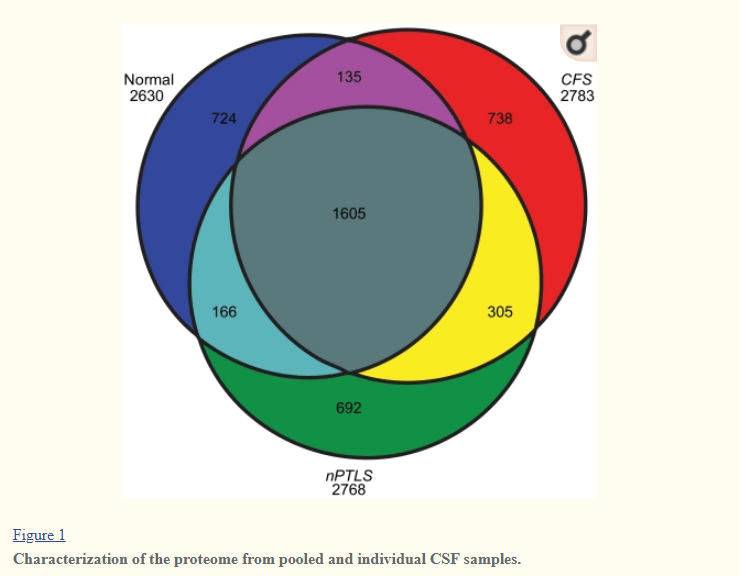
A 2011 Study found that Cerebrospinal Fluid Proteomes were different for my condition, a normal population and PTSD. These CFP’s are also heavily studied with ALS ( 2015 Study) ” Ten proteins were differently regulated in ALS CSF compared to controls in at least 2 studies. ” [2017]  – both have novel proteins (i.e. proteins not seen in a healthy population). “We identified significant differences in the CSF proteomebetween living and post mortem ALS subjects, as well as living and post mortem control subjects. We also noted differences in the CSF proteome of ALS subjects that have exhibited symptoms for varying lengths of time and between ALS and Alzheimer’s Disease subjects at end-stage of disease.” [2007]
d1

Working Hypothesis

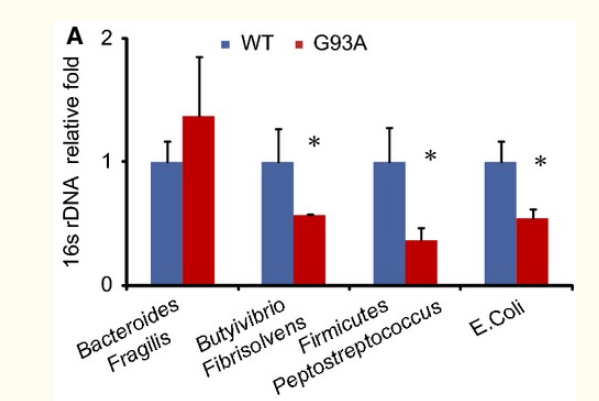
My working hypothesis is that these CSF proteins are due to microbiome disruption. This disruption may not be a magic bacteria that causes it, but due to undersupply or oversupply of metabolites causing epigenetic changes in the bacteria resulting in these new proteins. Unlike both Parkinson’s Disease and Alzheimer’s disease, I could not find any studies of ALS and Bacteroides fragilis with humans. But with ALS mice (G93A), we see that in studies

als1

  • “When stressed, overpopulated or pathogenically stimulated, B. fragilis releases a remarkably complex array of endotoxins and exotoxins (such as fagilysin), lipooligosaccahrides (LOS), lipopolysaccharide (LPS), including an extremely proinflammatory B. fragilis LPS (BF-LPS), microRNA-like sncRNA, and a wide variety of bacterial-derived amyloids (91156576466). ” [2018]

You may wish to read  my Reducing bacteroides fragilis

Hypothesis Tests

The hypothesis implies that there would distinctive shifts in bacteria seen with AD. What does the literature say?

  • “In a small study of ALS patients and healthy controls, investigators also found decreased levels of butyrate-producing bacteria. ” [2018]
  • “The comparison between ALS subjects and healthy group revealed a variation in the intestinal microbial composition with a higher abundance of E. coli and enterobacteria and a low abundance of total yeast in patients. ” [2018]
  • “In mice fed with butyrate, intestinal microbial homeostasis was restored, gut integrity was improved, and life span was prolonged compared with those in control mice.” [2017]
  • “These changes were associated with a shifted profile of the intestinal microbiome, including reduced levels of Butyrivibrio Fibrisolvens, Escherichia coli, and Fermicus, in G93A mice. The relative abundance of bacteria was shifted in G93A mice compared to wild-type mice. Principal coordinate analysis indicated a difference in fecal microbial communities between ALS and wild-type mice. ” [2015]
  • “the top 10 microorganism populations were analyzed at genus level, and average ratios f BacteroidesFaecalibacteriumAnaerostipesPrevotellaEscherichia, and Lachnospira between groups A and H were 0.78, 2.18, 3.41, 0.35, 0.79, and 13.07 (Figure Figure33). Furthermore, supervised comparisons by LEfSE (LDA > 4.0) were performed to find the significant changed bacteria, and the relative richness of Firmicutes at phylum level, Clostridia at class level, Clostridiales at order level, Lachnospiraceae and Family XIII at family  level, OscillibacterAnaerostipes and Lachnospiraceae at genus level in group H were significant higher than that in group A, while Bacteroidetes at phylum level, Bacteroidia at class level, Bacteroidales at order level and Dorea at genus level were significant higher in group A” H:Health A: ALS [2016]
  • “The present study suggested that higher intake of fat and protein, particularly from meat at early stage of the disease, could prolong the survival of ALS patients. ” [2018] This modifies the microbiome, see this summary.
  • “A large portion of patients with ALS exhibited poor dietary intake and changes in body zinc status. The zinc deficiency found in half of the ALS patients may contribute to a worsened prognosis and should be the target of nutritional intervention that aims to correct this deficiency.” [2017] This modifies the microbiome, see this summary
  • Association Between Dietary Intake and Function in Amyotrophic Lateral Sclerosis. [2016]
  • ” In replicated experiments, we found that chronic dietary exposure to a cyanobacterial toxin present in the traditional Chamorro diet, β-N-methylamino-l-alanine (BMAA), triggers the formation of both NFT and β-amyloid deposits similar in structure and density to those found in brain tissues of Chamorros who died with ALS/PDC. Vervets (Chlorocebus sabaeus) fed for 140 days with BMAA-dosed fruit developed NFT and sparse β-amyloid deposits in the brain. Co-administration of the dietary amino acid l-serine with l-BMAA significantly reduced the density of NFT.” [2016] l-serine modifies gut bacteria.

Bottom Line

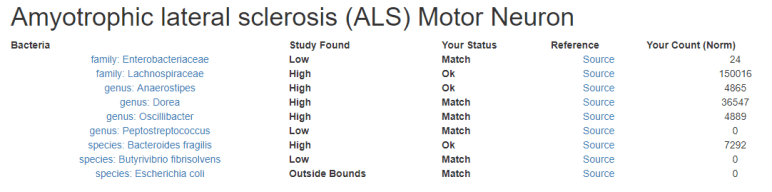
If you are a carer for someone with amyotrophic lateral sclerosis, you may wish to get a 16S analysis done ( for example uBiome.com – < $100) and upload the results to http://microbiomeprescription.com/. The suggestions there are based on hundreds of studies of what shifts different members of the microbiome. It’s a free site and the information is not available easily any wherelse.

An example of getting suggestions is shown in this post.

I have updated the ALS Microbiome template on that site, i.e.
als2

Look at the suggestions and discuss them with your treating physician.

This is an education post to facilitate discussing this approach with your medical professionals. It is not medical advice for the treatment of any medical condition. Always consult with your medical professional before doing any  changes of diet, supplements or activity. Some items cites may interfere with prescription medicines.


Human chorionic gonadotropin and ME/CFS

A reader sent me an interesting email that interested me greatly about her daughter. Some extracts

“confined to her bed or at least her house with CFS for 5 -7 years. We’ve been following your suggestions as best we can, given my goofiness about science, and we’ve had some modest success, but in the last three weeks she began to get stirrings of energy. Her doctor…has had great success with other non-CFS patients  using HCG, which here …  is fashionable, along with a diet, for weight loss. … He talked her into trying HCG 3 weeks ago  (without the diet- she’s on a Mediterranean diet as you recommend), first on 2 doses of .4  of 125 iu  a day, which seemed to achieve nothing, then 10 about days ago, he increased it to 2 doses of 150iu a day. Within 3 days of that, she unexpectedly got out of the house at 6AM to go the airport to welcome a friend home, then stayed up all day travelling (though not driving) 130 km by car and was still awake and bubbly at 9 pm. Only a little delayed exhaustion and rattiness the next day- usually after this she’d expect to be laid out for a week or more with slurred speech etc The next two days she was on the go…. A low energy three days followed – but today as I write she’s out and about finding out what the shops look like these days!   She’s begun to think about what she’d like to do in the world!”

What do we know about hCG beyond this single report?

Bottom Line

The risk factors for continued use is high. I am pleased for this patient’s mother to see the change that occured, but there is too much risk and too little basis to even suggest it as an experiment for others. Some of the adverse effects (hypotension, hypoglycemia, constipation, fatigue) hints that it does cause alteration of the microbiome — but there are no studies on what the alterations are.

I would be inclined to discontinue use and see what the consequences are (it may have done the essential work and addition dosages may not have benefit — even for maintaining).

NOT RECOMMENDED

This is an education post to facilitate discussing this approach with your medical professionals. It is not medical advice for the treatment of any medical condition. Always consult with your medical professional before doing any  changes of diet, supplements or activity. Some items cites may interfere with prescription medicines.


New Enhancement — Simpler Suggestions

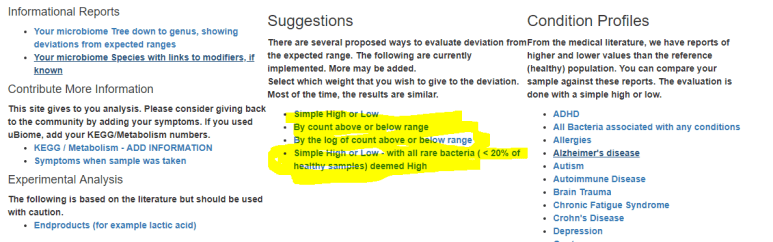
Based on a reader’s suggestion, I have modified the suggestions filter by adding filtering of ‘mixed’ suggestions. Mixed suggestions are items that improve some bacteria and deteriorate other bacteria. In other words, we really do not know if we are doing good or bad.

p3

Defaut is show above — it produces the shortest list.

Neurology: Parkinson’s Disease

This is the second of a series of posts dealing with various forms of cognitive impairment that are often age related. My first post dealt with Alzheimer’s Disease and later posts on ALS. My personal suspicion is that a significant catalyst (if not actual cause) is the lost of microbiome as we age.

The Light Bulb Event

Almost a decade ago, I had a relapse of a condition that I had before and was sent for a SPECT scan. The radiologist suggested that it may be early onset Alzheimer’s. I was having problems with memory then, especially retaining recent memories. In 2017, for the same condition, a patient died and when their brain was examined, this study found

“Among the most remarkable pathological features of the case are focal areas of white matter loss, neurite beading, and neuritic pathology of axons in the white matter with axonal spheroids. Atypical neurons displaying aberrant sprouting processes in response to injury are observed throughout cortical gray and white matter. Abundant amyloid deposits identical to Alzheimer’s disease plaques with accompanying intracellular granular structures are observed as well. Neurofibrillary tangles are also present in the white matter of the frontal cortex, thalamus and basal ganglia. “

For myself, I went into remission. Memory and other issues faded — I am not 100% as strong in some cognitive aspects that I was prior, but to most people they cannot detect the remaining issues.

The condition that I had was successfully treated using a protocol that altered the microbiome. What if this was true for other similar conditions — especially the untreatable ones? Recent literature appears to support this.

  • “More recently, microbial dysbiosis has been associated with a number of brain pathologies, including autism spectrum disorder, Alzheimer’s disease (AD), Parkinson’s disease (PD), and amyotrophic lateral sclerosis (ALS), suggesting a direct or indirect communication between intestinal bacteria and the central nervous system (CNS). ” [2018]
  • “Gut microbial dysbiosis and alteration of microbial metabolites in Parkinson’s disease (PD) have been increasingly reported… Microbiota-targeted interventions, such as antibiotics, probiotics and fecal microbiota transplantation, have been shown to favorably affect host health.” [2018]
  • Progression of Parkinson’s disease is associated with gut dysbiosis: Two-year follow-up study.[2017]
  • “alterations in the gut microbiota composition in humans have also been linked to a variety of neuropsychiatric conditions, including depression, autism and Parkinson’s disease.” [2017]
  • “Alterations in bowel function, mainly constipation, often precede the onset of motor symptoms associated with PD“[2017]

CSF Proteins Dimension

A 2011 Study found that Cerebrospinal Fluid Proteomes were different for my condition, a normal population and PTSD. These CFP’s are also heavily studied with Parkinson’s Disease ( 2009 Study) “proteins were identified that were able to differentiate atypical parkinsonian syndrome patients from healthy controls. Our study indicates that markers that may reflect neuronal function and/or plasticity, such as the amyloid precursor protein, and inflammatory markers may hold future promise as candidate biomarkers in parkinsonism.” [2017]  – both have novel proteins (i.e. proteins not seen in a healthy population).

d1

Working Hypothesis

My working hypothesis is that these CSF proteins are due to microbiome disruption. This disruption may not be a magic bacteria that causes it, but due to undersupply or oversupply of metabolites causing epigenetic changes in the bacteria resulting in these new proteins. Changes in Bacteroides fragilis is seen with both Parkinson’s Disease and Alzheimer’s disease.

  • “When stressed, overpopulated or pathogenically stimulated, B. fragilis releases a remarkably complex array of endotoxins and exotoxins (such as fagilysin), lipooligosaccahrides (LOS), lipopolysaccharide (LPS), including an extremely proinflammatory B. fragilis LPS (BF-LPS), microRNA-like sncRNA, and a wide variety of bacterial-derived amyloids (91156576466). ” [2018]

Hypothesis Tests

The hypothesis implies that there would distinctive shifts in bacteria seen with AD. What does the literature say?

  • “In addition, low counts of Bifidobacterium at year 0 were associated with worsening of hallucinations/delusions in 2 years. Similarly, low counts of B. fragilis at year 0 were associated with worsening of motivation/initiative in 2 years. The patients were evenly divided into the deteriorated and stable groups based on the degree of worsening of total UPDRS scores. The deteriorated group had lower counts of Bifidobacterium, B. fragilis, and Clostridium leptium than the stable group at year 0 but not at year 2, suggesting that the deteriorated group may demonstrate accelerated lowering of these bacteria at year 0.” [2017]
  • ” Among patients, independent signals were detected for catechol-O-methyltransferase-inhibitors (P = 4E-4), anticholinergics (P = 5E-3), and possibly carbidopa/levodopa (P = 0.05). We found significantly altered abundances of the Bifidobacteriaceae, Christensenellaceae, [Tissierellaceae], Lachnospiraceae, Lactobacillaceae, Pasteurellaceae, and Verrucomicrobiaceae families. Functional predictions revealed changes in numerous pathways, including the metabolism of plant-derived compounds and xenobiotics degradation… 13 operational taxonomic units (OTUs) had significantly altered abundances in PD vs. control samples, both using ANCOM (FDR<0.05) and Kruskal-Wallis tests (FDR<0.05).” [2017]
    • Prevotella was very high — Seven times that of controls.
  • “At the taxonomic level of genus, putative, “anti-inflammatory” butyrate-producing bacteria from the genera Blautia, Coprococcus, and Roseburia were significantly more abundant in feces of controls than PD patients. Bacteria from the genus Faecalibacterium were significantly more abundant in the mucosa of controls than PD. Putative, “proinflammatory” Proteobacteria of the genus Ralstonia were significantly more abundant in mucosa of PD than controls. “[2015]
  • “In particular, the abundance of Lachnospiraceae was reduced by 42.9% in patients with PD, whereas Bifidobacteriaceae was enriched in patients with PD. ” [2018]

Bottom Line

If you are a carer for someone with Parkinson’s Disease, you may wish to get a 16S analysis done ( for example uBiome.com – < $100) and upload the results to http://microbiomeprescription.com/. The suggestions there are based on hundreds of studies of what shifts different members of the microbiome. It’s a free site and the information is not available easily any wherelse.

  • “By applying metagenomic sequencing procedures, it is even possible to distinguish PD cases from healthy individuals at a very early disease stage by means of individually modified microbiota. ” [2018]

An example of getting suggestions is shown in this post.

I have updated the Parkinson’s Microbiome template on the site, i.e.

p2

Look at the suggestions and discuss them with your treating physician.

This is an education post to facilitate discussing this approach with your medical professionals. It is not medical advice for the treatment of any medical condition. Always consult with your medical professional before doing any  changes of diet, supplements or activity. Some items cites may interfere with prescription medicines.
 

Neurology – Sample Microbiome Analysis

In my last post, Dementia: Alzheimer’s Disease, I gave background on why microbiome alteration may moderate, perhaps reverse, the progression Alzheimer’s disease. In this post, I will show how you can get suggestions.

After uploading your 16S Microbiome (this can be done here), you will see displayed a link to analysis. Clicking it will take you to this page. Click any of the yellow items.

e1

This will then go to the suggestions page.

e2

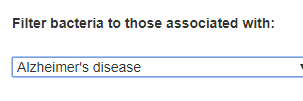
Instead of trying to change everything, we focus on the bacteria associated with Alzheimer’s. This is simple. Just pick Alzheimer’s

e3

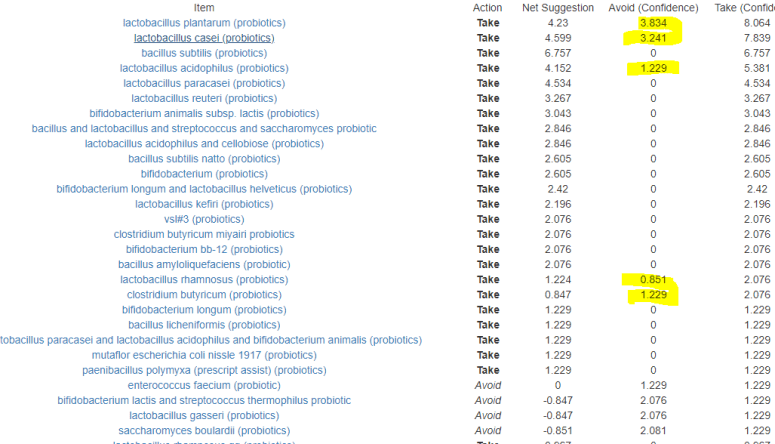
Probiotics

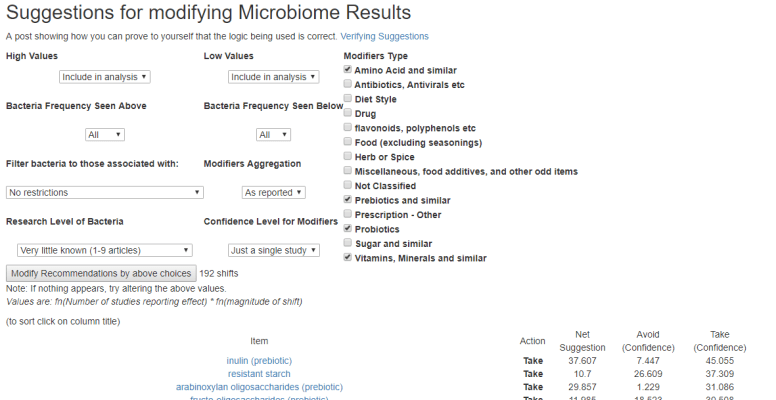
Uncheck all items under Modifier Types except probiotics. There can be information overload with suggestions. Click the button “Modify Recommendation by above choices”

e4

The yellow items above are items where it will make some of the bacteria better and some worst. I usually suggest avoiding all of them unless there are no other choices.

For probiotics, often they are mixtures — if all of them are on the Take list (without any yellow), then that is ideal.  For this example, if it contains any lactobacillus acidophilus then do not use it.

If you cannot find some of them, or any mixtures containing poor one,  you may wish to go to https://www.customprobiotics.com/ — this site sells single strain probiotics so you just order precisely what you. The price seems high but the actual cost per community forming units is very low. Some, like Mutaflor escherichia coli nissle 1917 (probiotics) is available in only some countries (Canada, Europe, Australia).

Vitamins

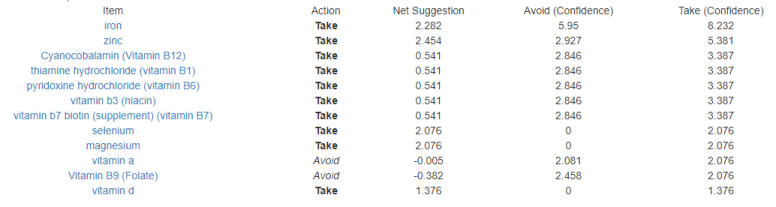
Some vitamins act as antibiotics when taken in sufficient dosage. For this sample, only vitamin D, magnesium and selenium are clear suggestions with no known negative aspects. Iron and selenium levels should be checked by your MD before starting. All of them should be at least at the average level according to the lab. For Vitamin D levels I prefer to be close to the top of the range – for older people, this may mean  15,000 IU/day to raise levels.

e5

Others

Explore the other choices. For the above sample, Mediterranean Diet was the strongest suggestion. Using raffinose(sugar beet)  for a sweetner.

Bottom Line

Interpret “Take” as increase or add to diet. “Avoid” as decrease or remove.  Each item should contribute — you do not need to do everything.

This is an education post to facilitate discussing this approach with your medical professionals. It is not medical advice for the treatment of any medical condition. Always consult with your medical professional before doing any  changes of diet, supplements or activity. Some items cites may interfere with prescription medicines.