GcMAF – Bravo Probiotic – Update #2

It seems that every two years, I get requests to review this probiotic. It is neither worth the money and has the appearance of many false claims. See earlier posts:

Current state of knowledge based on PubMed articles. At present there are around 67 articles on GCMAF (which is available separate from the Bravo Probiotic). 41 of these were associated with CANCER. 65 was associated with Vitamin-D (i.e.improve uptake of vitamin D)

  • “treatments of GcMAF in a patient with MS have potent therapeutic actions with early beneficial responses, especially improvement of motor dysfunction.” [2016]
  • “This case report demonstrates that GcMAF, oral colostrum MAF, SDT, TTF and ozone therapy can be used for NSCLC without adverse effects.” [2016] Note: article did not cite any positive effects.
  • “Oral colostrum macrophage-activating factor (MAF) produced from bovine colostrum has shown high macrophage phagocytic activity…. colostrum MAF shows promising clinical results in patients with infectious diseases and for symptoms of fatigue, which is common in many chronic diseases.” [2015]
  • Retraction note to: immunotherapy of metastatic colorectal cancer with vitamin D-binding protein-derived macrophage-activating factor, GcMAF [2014]. If appears that more careful study of the data resulted in a difference of conclusions.
  • Inconsistencies and questionable reliability of the publication “immunotherapy of metastatic colorectal cancer with vitamin D-binding protein-derived macrophages-activating, GcMAF” by Yamamoto et al.” [2014]
    • “After several patients asked our organization, the Anticancer Fund, www.anticancerfund.org, about GcMAF as a cancer treatment, we looked for the evidence supporting its use in cancer. The literature showed us striking issues and inconsistencies…
        1. The Nagasaki and the Hyogo Immunotherapy Research Groups, that gave IRB approval for these trials, do not exist except in Yamamoto’s clinical papers. Three purported members of these groups, including one chairman, informed us they are not part of these groups and that they have never been involved in Yamamoto’s activities. Other members of these IRBs could not be found.
        2. Yamamoto’s co-authors in these papers could not be found.
        3. We contacted the sponsors of these trials (US Public Health Service and the Elsa U. Pardee Foundation), and we found that they did not support them.
      • Furthermore, it has been demonstrated that naturally occurring GcMAF in cancer patients has a concentration of approximately 4 mg/L, making the 100 ng proposed by Yamamoto meaningless” – Yamamoto claim is the 0.04% increase would cure cancer.
  • “By March 2013, Saisei Mirai have treated over 345 patients with GcMAF. Among them we here present the cases of three patients for whom our integrative immunotherapy (integrative cancer immunotherapy is as follows: i) 0.5 ml GcMAF-containing human serum is administered intramuscularly or subcutaneously once or twice per week for the duration of cancer therapy until all cancer cells are eradicated; ii) hyper T/natural killer (NK) cell therapy is given once per week for six weeks; iii) high-dose vitamin C is administered intravenously twice per week; iv) alpha lipoic acid (600 mg) is administered orally daily; v) vitamin D3 (5,000-10,000 IU) is administered orally daily.) was remarkably effective.” [2013] 3/345 is less than 1% – whether GcMAF or the other items were the cause could not be determined.

Bottom Line on GcMAF

There are NO studies for the microbiome or IBS  or Crohn’s Disease or fibromyalgia, etc. Add to this that many published fake-papers associated with fake institution that have been exposed recently — it raises HUGE ALARM BELLS of con-artists taking money from the desperate sick.

Bravo Probiotics

Checking the promotion sites I see that it is alleged that it’s GcMAC may cures depression, autism [not a single study to support that claim]. Their site claims ” inflammation, from infections, inflammation, virals and immune diseases” with a massive number of alleged presentations and papers… none dealing with GcMAC as a probiotic, and many citing the discredited Yamamoto exposed above. Their publications page stop in 2014 – at the same that the fake organizations cited above were exposed.

Doing some digging around, I found that the current manufacturer is “Silver Spring Sagl”, c/o Fulvia Gianetta Allio via Raimondo Rossi 24, 6864 Arzo – founded in 2015. Owned by Marco Ruggiero MD.

Current pricing is $400 for 13 weeks (or $1600/year). It consists of [source]:

  • 25% Bifidbacteria
  • 12.5% L. Salivarius
  • 12.5% L. Acidophilus
  • 12.5% L. Paracasei
  • 12.5% L. Rhamnosus
  • 12.5% L. Lactis
  • Rest is colostrum etc.

The cost for alternative probiotics is likely $500/year of less.

bravo

With none of the above claims supported for Bravo exclusively by PubMed. Those claims are supported for certain strains of the families of bacteria cited above —  that evidence cannot be applied to unidentified strains.


Updates of Survey Results

The table below shows the results order by the number of reporters (Probable – most, Medium – many, low – a few); percentage of reported that got better; percentage that had problems (risk).

The number below are the raw numbers (May 2018)

Name Severe Herx Much Worst Worst No Change Better Much Better
American Ginseng 0 0 1 4 0 0
Ashwagandha 0 0 1 7 5 3
Asian Ginseng 0 0 1 5 2 0
Dang Shen 0 0 1 1 0 0
Jiaogulan 0 0 0 3 0 0
Jujube 0 0 1 0 1 0
Magnolia-Bark 0 0 0 2 0 0
Reishi Mushroom 0 1 1 6 1 0
Rosavin 0 2 0 6 3 3
Siberian Ginseng 0 0 1 8 1 1
Arginine 0 0 0 1 0 0
Glutamine 0 0 0 1 0 1
Glycine 0 0 0 1 0 0
Isoleucine 0 0 0 0 0 0
Lysine 0 0 0 2 0 0
Methionine 0 0 0 1 0 0
Threonine 0 0 0 0 0 0
Tryptophan 0 0 1 1 1 0
Tyrosine 0 0 1 1 1 0
Valine 0 0 0 0 0 0
Amoxicillin 2 2 6 2 4 0
Bacitracin 0 0 0 0 2 0
Doxycycline 1 2 3 2 5 5
Fluoroquinolone 2 2 0 1 3 0
Macrolides 0 2 2 2 9 4
Metronidazole 0 1 0 4 5 0
Minocycline 0 2 2 1 3 2
Rifampicin 1 0 2 0 0 0
Sulfonamides 1 0 3 0 1 0
Tinidazole 0 0 1 1 4 1
Cinnamon 0 0 1 7 1 0
Ginger 0 0 2 9 3 1
Licorice 0 0 1 4 7 3
Neem 0 1 0 2 6 2
Olive Leaf 0 0 1 7 7 0
Oregano 0 1 1 3 5 1
Rhubarb 0 0 0 0 1 0
Thyme 0 0 0 2 2 2
Tulsi 0 1 2 4 1 2
Wormwood 1 0 1 3 2 1
Align 1 2 1 14 3 5
Colibiogen 0 0 0 0 1 0
Culturelle 2 3 2 11 5 5
Enterogermina 0 0 0 0 0 1
GB Equilibrium 0 0 0 1 4 4
Just Thrive 0 0 1 0 0 0
Kyo Dophilus 9 0 0 0 2 1 0
Kyo-Dophilus 0 0 0 1 1 0
L. Gasseri 0 0 0 1 2 0
L. Plantarum 299V 0 1 1 7 5 0
L. Reuteri 0 3 0 15 6 2
MegaSpore Biotic 1 0 0 2 0 1
Miyarisan 2 3 4 5 3 5
Mutaflor 2 2 2 9 4
Perfect Pass 0 0 0 0 0 0
Prescript Assist 4 1 2 13 11 1
Prescript Assist Pro 0 0 0 2 1 2
Symbioflor-2 1 2 2 4 4 3
Yakult 0 3 2 6 2 1

CFS, Dentistry and the Microbiome

Recently I visited my dentist and during the visit, she and me got into an interesting discussion of the microbiome and dentistry. She show me in my x-rays some interesting aspects of bacteria in the mouth.

“There seems to be an increased prevalence of periodontal disease in patients with IBD when compared to healthy controls, probably due to changes in the oral microbiota and a higher inflammatory response. Moreover, the induction of periodontitis seems to result in gut dysbiosis and altered gut epithelial cell barrier function, which might contribute to the pathogenesis of IBD. Considering the complexity of both periodontal disease and IBD, it is very challenging to understand the possible pathways involved in their coexistence.” [2016]

Amalgam Impacts – Allergy

My dentist cited growing concerns about interactions between different metals being used for restorative work (i.e. electrolysis). Concerns included shifts of bacteria populations. Some literature:

  • “three subjects with CFS and two with fibromyalgia, all of whom suspected metal exposure as a trigger for their ill health…All patients except one were sensitized to metals present in their dental restorations… The removal of sensitizing metals resulted in long-term health improvement.” [2014]
  • “Fifteen female FM patients…Reduction of metal exposure in the FM patients was achieved by replacement of dental metal restorations and by the avoidance of known sources of metal exposure…. Objective examination 5 years later showed that half of the patients no longer fulfilled the FM diagnosis, 20% had improved and the remaining 30% still had FM. All patients reported subjective health improvement. This correlated with the normalization of metal-specific responses in vitro.” [2013]
  • ” 15 patients who suffered from clinical metal sensitivity in addition to other health problems. … The removal of incompatible dental material (RID) resulted in long-term health improvement in the majority of patients. We postulate that in vivo, metal ions activate T-cells, initiating systemic inflammation, which, through cytokines, affects the brain and hypothalamus-pituitary-adrenal axis.” [2006]
  • “Thirty-eight patients; 9 with systemic lupus erythematosus (SLE), 16 with rheumatoid arthritis (RA), and 13 with Sjögren’s syndrome (SS) and a control group of 43 healthy age- and sex-matched subjects were included in the study… The majority of patients (87%) had a positive lymphocyte reaction to at least one metal and 63% reacted to two or more metals tested…The most frequent allergens were nickel, mercury, gold and palladium.” [2015]
  • ” Studies have shown that chronic Hg exposure from various sources including dental amalgams is associated with numerous health complaints, including fatigue, anxiety, and depression–and these are among the main symptoms that are associated with CFS and FM…several studies have shown that the removal of amalgams is associated with improvement in these symptoms.” [2014]
  • “To evaluate clinical relevance of positive in vitro findings, the replacement of amalgam with metal-free restorations was performed in some of the patients. At a six-month follow-up, patients reported considerably alleviated fatigue and disappearance of many symptoms previously encountered; in parallel, lymphocyte responses to metals decreased as well. We suggest that metal-driven inflammation may affect the hypothalamic-pituitary-adrenal axis (HPA axis) and indirectly trigger psychosomatic multisymptoms characterizing chronic fatigue syndrome, fibromyalgia, and other diseases of unknown etiology.” [1999]

Metals and Microbiome

Assuming mercury alone is the problem and not the other base metals cited above, is likely false. Mercury is an easy target loaded with emotion.

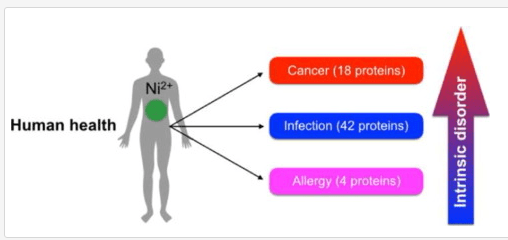
  • “The role of nickel in the biochemistry of bacterial enzymes is discussed here, covering both the beneficial effects of nickel in the human microbiota as well as the role of nickel-depending bacteria in human pathogenesis. In addition, the hazardous health effects caused by nickel exposure to humans, namely nickel-induced carcinogenesis and allergy, are triggered by non-specific interactions of nickel with macromolecules and formation of reactive compounds that mediate cellular damage. Cellular response to nickel is also related to signal transduction cascades.” [2016]
  • ni
  • “The bacterial count results showed that dietary nickel (NiCl2) in the range of 300 to 900 mg/kg decreased the counts of Bifidobacterium spp. and Lactobacillus, increased Escherichia coli (E. coli) and Enterococcus spp. in the ileum and cecum. …This finding implies that NiCl2 has toxicological effect on the intestinal ecosystem and, possibly functions.” [2014]


Root Canals/Dentures as bacteria reserves

I view the mouth as a reserve for many bacteria that contribute to CFS/FM/IBS — fixing the guts may be temporary because the mouth may repopulate it with the bad bacteria.

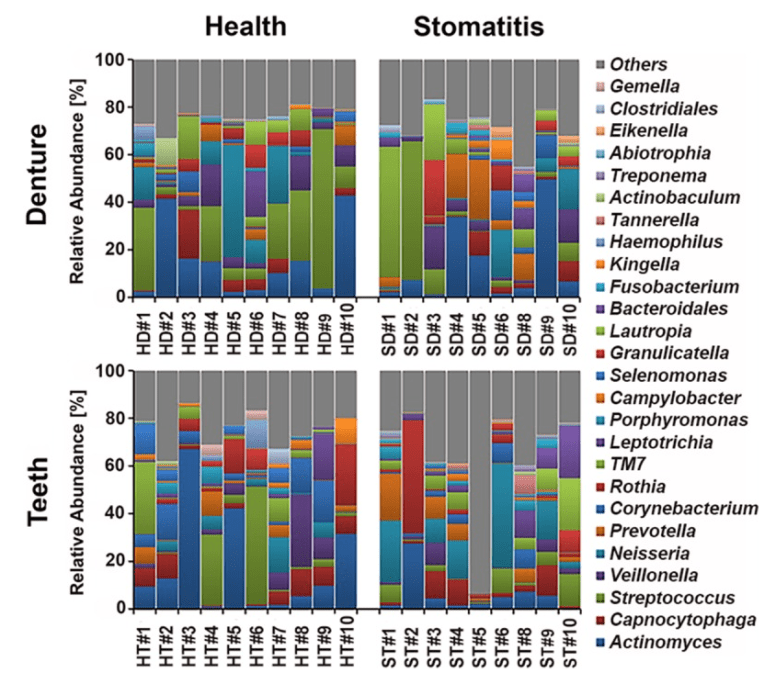
  • “IMPORTANCE Denture stomatitis is a prevalent inflammatory condition of the mucosal tissue in denture wearers that is triggered by microorganisms. While Candida has been extensively studied for its role in stomatitis etiology, the bacterial component largely remains to be investigated. Our data show that certain types of bacteria are significantly associated with denture health and disease.” [2016]
    teeth

    • As shown above — individuals vary greatly — there is no “normal” pattern.

Species to watch out for in microbiome results

  • “evaluated the presence and relative levels of 28 bacterial taxa in treated root canals of teeth with posttreatment apical periodontitis … Taxa detected more frequently included Streptococcus species (47%), Lactobacillus species (35%), Dialister invisus (29%), Eubacterium infirmum (29%), Prevotella intermedia (29%), Selenomonas sputigena (29%), Synergistes oral clone BA121 (29%), and Treponema denticola (29%).” [2008]
  • “Enterococcus faecalis was the most prevalent species, detected in 77.8% of the study teeth, followed by Peptostreptococcus micros, detected in 51.1%. Porphyromonas gingivalis, Porphyromonas endodontalis, Prevotella intermedia, and Prevotella nigrescens were detected in 35.6%, 22.2%, 11.1%, and 11.1% of the sampled teeth, respectively. Moreover, PCR detected Filifactor alocis in 26.7%, Treponema denticola in 24.4%, and Tannerella forsythia in 4.4% of the samples. [2008]
    • T. denticola and P. micros were statistically associated with tenderness to percussion (p < 0.05).
    • P. nigrescens was associated with the presence of spontaneous pain and abscess (p < 0.05).
    • P. endodontalis and P. nigrescens were associated with purulent exudates (p < 0.05).

From Endotontic microbiology  [2010] – longer lists are in this article.

1) Black pigmented Gram negative anaerobic rods include species formerly known as Bacteroides melaninogenicus. These bacteria have been reclassified into two genera: (a) saccharolytic species – Prevotella and (b) asaccharolytic species – Porphyromonas.[7]

Prevotella species detected in endodontic infections include

  • Prevotella intermedia
  • Prevotella nigrescens
  • Prevotella tannerae
  • Prevotella multissacharivorax
  • Prevotella baroniae and
  • Prevotella denticola.

Porphyromonas species detected in endodontic infections include

  • Porphyromonas endodontalis and
  • Porphyromonas gingivalis.

2) Tannerella forsythia (previously called Bacteroides forsythus or Tannerella forsythenis) was the first periodontal pathogen to be detected in endodontic infection.[8]

3) Dialister species are asaccharolytic obligately anaerobic Gram negative coccobacilli which have been consistently detected in endodontic infections.

  • Dialister pneumosintes and
  • Dialister invisus.

4) Fusobacterium is also a common member of endodontic microbiota.

  • Fusobacterium nucleatum
  • Fusobacterium periodonticum

5) Spirochetes are highly motile, spiral-shaped, Gram negative bacteria with periplasmic flagella. All oral spirochetes fall into the genus Treponema.[9] Prevalent species are

  • Treponema denticola
  • Treponema sacranskii
  • Treponema parvum
  • Treponema maltophilum and
  • Treponema lecithinolyticum.

6) Gram positive anaerobic rods have also been found in endodontic microbiota like

  • Pseudoramibacter alactolyticus
  • Filifactor alocis
  • Actinomyces spp.
  • Propionibacterium propionicum
  • Olsenella spp.
  • Slackia exigua
  • Mogibacterium timidum and
  • Eubacterium spp.

7) Gram positive cocci that are present in endodontic infection:

  • Parvimonas micra (previously called Peptostreptococcus micros or Micromonas micros)
  • Streptococcus spp. which include,
    Streptococcus anginosus
    Streptococcus mitisi
    Streptococcus sanguinis
  • Enterococcus faecalis.

Other bacterial spp. which are present in low to moderate values include

  • Campylobacter spp. which are Gram negative anaerobic rods; common species are,
    Campylobacter rectus and
    Campylobacter gracilis.
  • Catonella morbic which is a saccharolytic obligate anaerobic Gram negative rod
  • Veillonella parvula
  • Eikenella corrodens
  • Granulicatella adiacens
  • Neisseria mucosa
  • Centipeda periodontii
  • Gemella morbillorum
  • Capnocytophaga gingivalis
  • Corynebacterium matruchotii
  • Bifidobacterium dentium and
  • anaerobic lactobacilli.

If any of those show up, you may wish to pay special attention to your teeth.


Bottom Line

For some past restorative work may be a significant factor for FM/IBS/CFS, with all ceramic replacement being the best alternatives. Good dental health (i.e. no gum disease) may be essential for remission and maintaining remission.

Fibre/FODMAP and CFS/IBS/FM

In researching my last post on Psyllium fiber, I was surprised to find no known positive effects. Some of my readers asked about other fiber. Rather than piecemeal a series of post — I thought I should research the area and find what is actually demonstrated and not what has evolved in alternative health beliefs.

“In an attempt to bridge this “fiber gap,” many consumers are turning to fiber supplements, which are typically isolated from a single source. Fiber supplements cannot be presumed to provide the health benefits that are associated with dietary fiber from whole foods. Of the fiber supplements on the market today, only a minority possess the physical characteristics that underlie the mechanisms driving clinically meaningful health benefits…. This emphasizes the importance of recognizing that not all marketed fiber supplements will provide the clinical efficacy of the original raw fiber“[2015]

Conditions Related Studies

NOTE: I view FM/IBS/CFS to be very similar dysfunction of the microbiome with results for one being applicable to all.

  • “What increases inflammation are hypercaloric Western-style diets, characterized by high salt, animal fat, red meat, sugar-sweetened drinks, fried food, low fiber, and lack of physical exercise.” [2015] –
    • This is likely the root of recommending fiber supplements — but there is a major difference between pure fiber and high fiber food (which contains many other things — like complex sugars (not the white sugar we add to tea).
    • “Conversely, exercise and low-calorie diets based on the assumption of vegetables, fruit, legumes, fish, prebiotics, and probiotics act on nuclear receptors and enzymes that upregulate oxidative metabolism, downregulate the synthesis of proinflammatory molecules, and restore or maintain a healthy symbiotic gut microbiota.”
  • “Of the CFS patients, 23% smoked, 32% had an unhealthy BMI, and none had an unhealthy alcohol intake. A majority had an unhealthy food intake: 70% had unhealthy fat, fruit and vegetable intake, and 95% had unhealthy fibre intake.” [2009]
  • On Fibromyalgia [2016]
    • “A daily or almost-daily consumption of fruit and vegetables and a moderate consumption of fish (2 to 5 servings per week) were associated with higher scores in mental health (P<0.001, P<0.05, and P<0.001, respectively) and lower levels of depression (P<0.001, P<0.01, and P<0.01, respectively).”
    • “A daily or almost-daily consumption of vegetables and a moderate consumption of dairy products and fish were associated with higher levels of optimism (P<0.05, P<0.05, and P<0.001, respectively).”
    • “A daily or almost-daily consumption of cured meats and sweetened beverages were associated with higher levels of depression and lower levels of optimism, respectively (both P<0.05).”
    • “However, intake of foods rich in polyphenols was associated with lower numbers of tender points (coffee, r = – 0.346; pear, r = – 0.331) and better quality of life (red fruits, r = – 0.342; dark chocolate, r = – 0.404) in the fibromyalgic group.” [2016]
  • “Dietary fiber that is intrinsic and intact in fiber-rich foods (eg, fruits, vegetables, legumes, whole grains) is widely recognized to have beneficial effects on health when consumed at recommended levels (25 g/d for adult women, 38 g/d for adult men). Most (90%) of the US population does not consume this level of dietary fiber, averaging only 15 g/d.” [2015]  Refined items with NO CLINICALLY demonstrated health benefits:
    • Wheat Bran (wheat)
    • Wheat Dextrin (treated wheat)
    • Inulin (Chicory root)
    • Methylcellulose (wood pulp)
    • Partially Hydrolyzed Guar Gum (Guarn beans)
    • Beta-Glucan (Oats, Barley)
  • “A high fibre intake (> 25-30 g/day) based on a variety of food sources (fruit, vegetable, legumes, cereals) is the only way to avoid many of the disorders mentioned.” [2002]
  • FODMAPs (fermentable oligosaccharides, disaccharides, monosaccharides and polyols) have been shown to trigger gastrointestinal symptoms in patients with IBS.” [2014] – whether this is good (microbiome change) or bad (uncomfortable), seem unclear. Digging further…
    • “Certain food items trigger the symptoms experienced by IBS patients, including those rich in fermentable oligo-, di- and monosaccharides, and polyols (FODMAPs). ” [2014]
    • “a diet low in FODMAPs effectively reduced functional gastrointestinal symptoms[ in IBS]. [2014]
    • “Perceived intolerance to high FODMAP foods and low FODMAP foods were both statistically significantly associated with exposure to Giardia infection [resulting in IBS].” [2015]
    • Managing irritable bowel syndrome: The low-FODMAP diet [2016].
    • Efficacy of the low FODMAP diet for treating irritable bowel syndrome: the evidence to date [2016].
    • “Histamine, a measure of immune activation, was reduced eightfold in the low FODMAP [IBS] group (p<0.05).” [2016]
    • “The daily total consumption (mean±s.e.m. values) of fruits and vegetables rich in FODMAPs (fermentable oligosaccharides, disaccharides, monosaccharides and polyols) decreased significantly from 16.2±5.3 g before receiving dietary guidance to 9.2±3.2 g after receiving dietary guidance (P=0.02)…The densities of the large intestinal endocrine cells tend to normalize following dietary guidance that may have contributed to the improvement of the patients with IBS symptoms.” [2016] – going FODMAP appears to be a poor decision.

Microbiome Studies

  • ” Low FODMAP diet increased Actinobacteria richness and diversity, and high FODMAP diet decreased the relative abundance of bacteria involved in gas consumption.”[2016]
  • ” The low FODMAP diet was associated with higher faecal pH (7.37 vs. 7.16 ), similar short-chain fatty acid concentrations, greater microbial diversity and reduced total bacterial abundance (9.63 vs. 9.83 ) compared with the Australian diet.” [2015]

Bottom Line

  • You may wish to print off this list. or try this iphone application or android app
    • Remember — we do NOT know if all of fermentable oligosaccharides, disaccharides, monosaccharides and polyols are to be avoided. This is a direction — not a detailed route.
  • Do not bother spending money on fibre supplements — their only effect is shrinking your wallet.
  • Less (ideally no) refined and prepared food — fruit, legumes and vegetables — especially raw!

Filtered Table

The following table was created from two lists I found on the web – high fiber foods excluding high FODMAP items. This is to help the brain fogged.


Psyllium fiber impact on the microbiome

A reader asked me about psyllium fiber. I find that I always want to check “common medical beliefs” against PubMed.com — very often what was believed 10 years ago has been shown to be incorrect.

  • Psyllium Fiber Reduces Abdominal Pain in Children With Irritable Bowel Syndrome in a Randomized, Double-Blind Trial [2016]
  • Psyllium Fiber Does Not Alter Gut Microbiome Composition in Children With Irritable Bowel Syndrome (IBS) [2016]

  • “In general, high doses (≥7g) of wheat bran, inulin, and psyllium tend to delay gastric emptying, whereas lower doses do not show a significant effect…” [2013]
    • “treatment with dried plums (prunes, 6g/day fiber) compared with psyllium (6g/day fiber) in 40 patients (99). Dried plums not only contain fiber but also sorbitol and fructans, non-absorbable carbohydrates that, when fermented by colonic bacteria, create an osmotic load that can dramatically alter stool frequency and consistency (100). Treatment with dried plums resulted in a greater improvement in constipation symptoms as reflected by a significant increase in the number of complete spontaneous bowel movements and in stool consistency (softer stools) when compared to treatment with psyllium”
    • “The difference between psyllium and placebo, however, was no longer significant at 3 months. Bran provided benefits over placebo only at 3 months. Over 60% of subjects randomized to psyllium or bran reported moderate adverse events, the most common of which were constipation and diarrhea.”
    • “an often-cited patient survey of 100 IBS patients found that 55% felt worse and only 10% felt better on bran (105).”
  • “Less fermentable psyllium fiber was shown to shift the fermentation of high-amylase–resistant starch toward the distal colon in rats (22)….Psyllium fiber supplementation (7–14 g/d for 3 mo) to obese individuals led to no changes in the inflammatory markers (66)…a diet supplemented with psyllium to a final total fiber concentration of ∼27 g/d were found to similarly decrease the amount of C-reactive protein. The effect was greater in lean normotensive subjects than in obese hypertensive subjects (69).”. [2013]

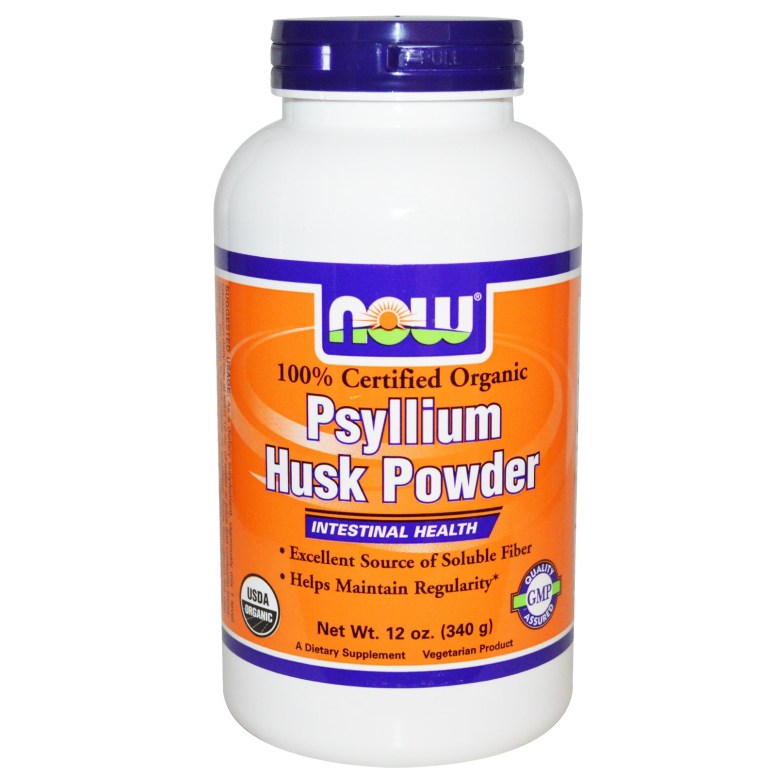
We are talking about 1 ounce by weight. i.e. 3 bottles of below a month
now-05966-5

    • Bottom Line

    • Taking psyllium has no documented benefit for IBS or CFS. It does not alter the microbiome and had a significant (60%) risk of moderate adverse effect.
    • Consider dry plums instead!! or any high fiber fruit!