Astragalus – Controlling histamines

A reader on CFSRemission Facebook site stated that astragalus helped her greatly with histamine issues.

“It works for me like a bucket.
while i am taking it, my symptoms are markedly less.
once i stop, symptoms start appearing.
once that happens, it takes about 10 days of astragalus to start reducing the symptoms again.”

In this post I am going to summarize what we know about this herb from PubMed. Each section below is done by search term

Astragalus Histamine or Allergy

Astragalus Antibiotic

Bottom Line

There is considerable literature supporting the role of Astragalus in reducing/moderating histamines. It does not appear to have significant antibiotic impact nor microbiome impact. It does have positive effects on the brain / cognitive functions.

If have histamines issues, I would suggest that you give it a try


Gluten: Infants, probiotics and the microbiome

A CFS reader wrote with some really tough questions concerning their infant….

“This week, I’m off on another tangent – gluten intolerance, especially in babies. My daughter turns 6 months old in 2 weeks time and I’m ready to start introducing solids. The problem I have is that the latest information is so conflicting. (Note: these studies have only been done specifically on Celiac Disease). “

“Thoughts that I have in my head are:

  • I am gluten sensitive with CFS and this is linked to my gut microbiota;
  • My baby inherited my gut microbiota when she was born;
  • Has she inherited all of my newly introduced probiotics via breastfeeding since she was born?
  • Being a parent is so much pressure!!! I have this little girl’s lifelong health in my hands!!!
I’ve been reading up on your info on gluten and learned that Bifidobacteria play a role in gluten allergies”

“So, I guess my question is –

When I introduce gluten into my daughter’s diet, do you think that supplementing her with multiple Bifidobacteria strains will help her digestive transition and help her to avoid sensitivity to gluten?”

The Research

  • “this research observed that E. coli releases uracil. L. plantarum specifically recognizes E. coli-derived uracil, which increases the growth rate and production of antimicrobial substance of L. plantarum. In addition, through the inhibitory activity test, this study postulates that the antimicrobial substance is a protein and can be considered a bacteriocin-like substance. Therefore, this research assumes that L. plantarum exerts its antibacterial ability by recognizing E. coli and increasing its growth rate as a result, and this phenomenon could be one of the reasons for L. plantarum settling in the intestine of infants as a beneficial bacterium.” [2016]
  • ” the supplementation with Lactobacillus rhamnosus GG has been associated with the development of sepsis with a cause-effect relationship in six newborns and children. In this study, we report two further cases and discuss the emerging issue of probiotic supplementation safety in neonates. We conclude that physicians must be aware that supplementation with L. rhamnosus GG can cause sepsis in high-risk patients on rare occasions.” [2016]
    • “Effects have been most consistent with combined prenatal and direct postnatal supplementation of the infant and appear strain-specific, with Lactobacillus rhamnosus most often showing an effect.” [2013]
  • “Among the twelve Bifidobacterium sp. strains, the largest spectrum of antimicrobial activity against 9 of the 18 enteropathogenic strains was revealed for a B. breve strain recently isolated from infant intestinal feces.” [2016]
  • ” In a recent meta-analysis, the use of multi-strain probiotics appeared to be most effective for eczema prevention.” [2016]
  • “Predictors for any food hypersensitivity were wheeze, maternal atopy, increasing gestational age, age at first solid food introduction and mean healthy dietary pattern score. Predictors for IgE mediated allergy were eczema, rhinitis and healthy dietary pattern score whereas for non-IgE-mediated food allergy the predictors were dog in the home, healthy dietary pattern score, maternal consumption of probiotics during breastfeeding and age at first solid food introduction .” [2016 – full article]
    • Increased risk: OLDER age at first solids and concurrent breastfeeding with cows’ milk from any source.
  • “There is evidence that the addition of prebiotics to infant formula brings the GI microbiota of formula-fed infants closer to that of breast-fed infants.” [2015]
  • “we gave Bifidobacterium breve M-16V and Bifidobacterium longum BB536 prenatally to 130 mothers beginning 1 month prior to delivery and postnatally to their infants for 6 months….These data suggest that the prenatal and postnatal supplementation of bifidobacteria is effective in primary preventing allergic diseases. Some limited changes in the composition of fecal microbiota by the bifidobacterial supplementation were observed.” [2014]
  • “the probiotic (Lactobacillus salivarius CUL61, Lactobacillus paracasei CUL08, Bifidobacterium animalis subspecies lactis CUL34 and Bifidobacterium bifidum CUL20;) … seemed to prevent atopic sensitisation to common food allergens”


Microbiome

  • “Alterations in specific bacterial groups metabolising gluten such as Clostridium or Lactobacillus were reported in Coeliac disease (CD) patients. ” [2015]
  • “The treated CD patients showed a reduction in the diversity of Lactobacillus and Bifidobacterium species. The presence of Bifidobacterium bifidum was significantly higher in untreated CD patients than healthy adults.” [2012]
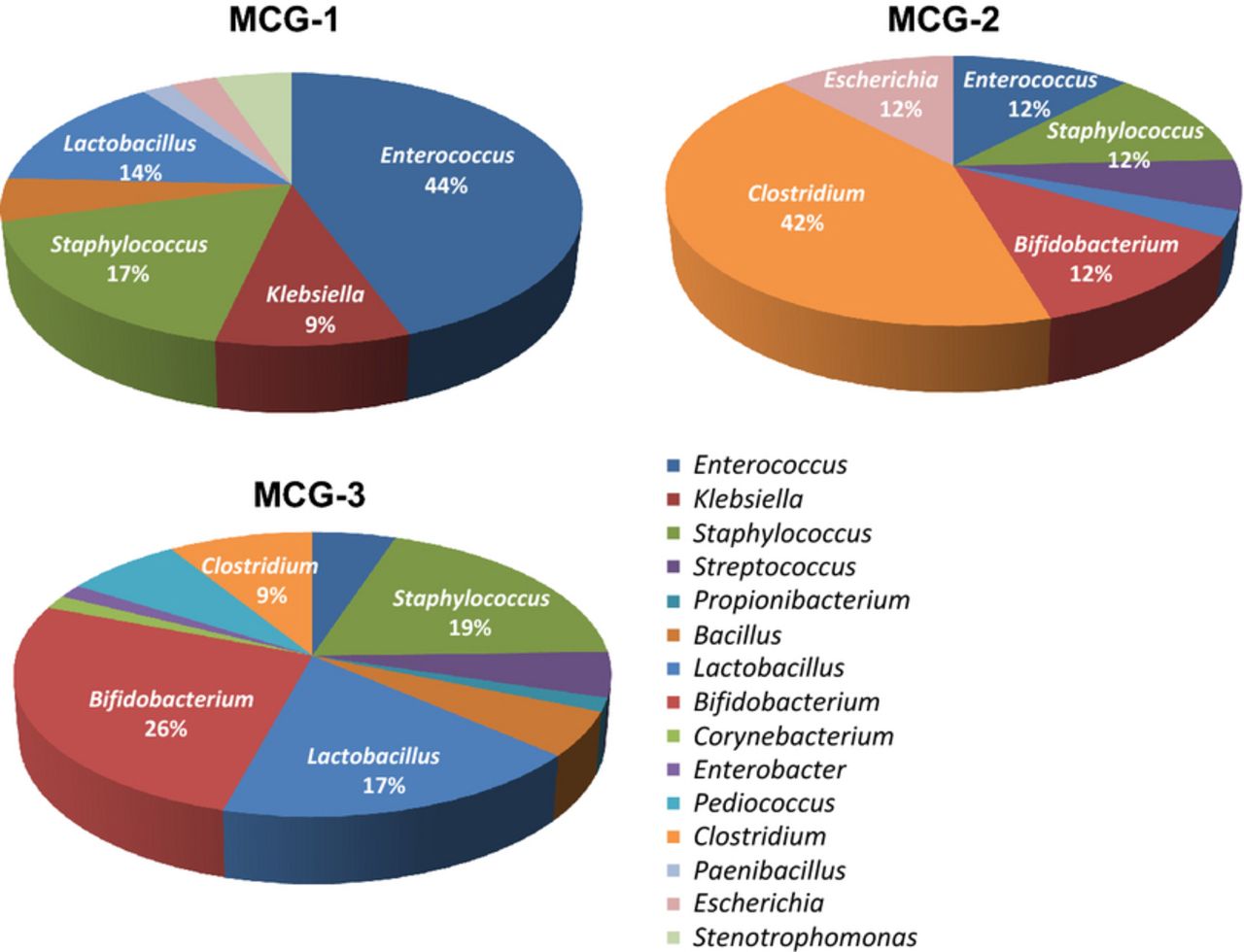
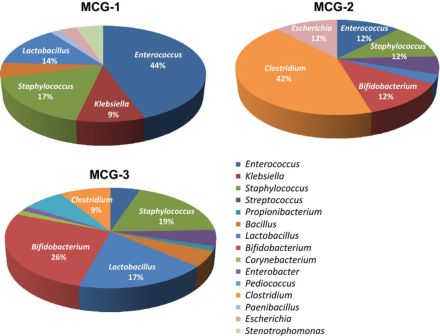
  • “Bacteria involved in gluten metabolism are mainly Firmicutes and Actinobacteria” [2014 a deep dive study – the chart below is from it]
    F3.large

    • “We isolated 144 strains belonging to 35 bacterial species that could be involved in gluten metabolism in the human gut (Table ). Most of the strains were classified within the phylum Firmicutes (c. 73%), mainly from the genera Lactobacillus, Streptococcus, Staphylococcus and Clostridium. Some 15% of the isolates were classified within the phylum Actinobacteria, mostly from the genus Bifidobacterium. Only 12% of the isolates were Gram-negative bacteria from the phylum Proteobacteria.”
    • “61 of these 144 strains showed an extracellular proteolytic activity against gluten proteins and gelatine. This glutenasic activity was present in strains from Bacillus licheniformis, B. subtilis, B. pumilus, Bifidobacterium longum, Clostridium sordellii, C. perfringens, C. botulinum/sporogenes, C. butyricum/beijerinckii, Enterococcus faecalis, E. faecium, Propionibacterium acnes, Pediococcus acidilactici, Paenibacillus jamilae, Staphylococcus epidermidis, S. hominis and Stenotrophomonas maltophilia.”
    • “Although bacterial strains belonging to Enterococcus faecalis or Bacillus licheniformisexhibited activity, the peptide was not completely hydrolysed. In contrast, other bacteria, such asLactobacillus mucosae (strains B1c and D5a1), L. rhamnosus (strains LA2a, LE3 and D1a) andClostridium botulinum/sporogenes (all isolated strains) appeared to have a higher activity with regard to the 33-mer peptide than other bacteria tested”
    • “However, not all the bacteria involved in gluten metabolism are health promoting. Bacterial proteases of certain groups isolated in this work, including Staphylococcus epidermidis, Enterococcus faecalis,Escherichia coli, Clostridium perfringens and C. sordellii, may be related to inflammatory bowel disease (Pruteanu et al., 2011; Steck et al., 2012).”
    • “We are currently studying whether these bacteria have a protecting and/or a pathogenic role in CD.”
  • Lower bifidobacteria counts in adult patients with celiac disease on a gluten-free diet [2014].
  • “That study found that the probiotic VSL#3 was highly effective in hydrolyzing gliadin polypeptides compared to other commercial probiotic products such as Oxadrop (B. infantis, L. acidophilus, L. brevis, and S. thermophilus), Florisia (L. brevis, L. salivarius subsp. salicinius, and L. plantarum), and Yovis (B. breve, B. infantis, B. longum, L. acidophilus, L. plantarum, L. casei, L. delbrueckii subsp. bulgaricus, Streptococcus salivarius subsp. thermophilus, and Enterococcus faecium).” [2014]
    • “Higher Bacteroides counts are detected in CD children (13, 26) than in controls.”
    • “Data on the levels of Atopobium, Staphylococcus, E. coli, Eubacterium rectaleC. coccoides, the Clostridium histolyticum group, Clostridium lituseburense, and sulfate-reducing bacteria are still contradictory, as there have been reports showing increased levels in CD patients (13) or no difference (26, 28, 30) in comparison to controls.”
    • “The ratio of beneficial lactobacilli and bifidobacteria to possibly harmful Gram-negative bacteria, such as Bacteroides-Prevotella and E. coli, was found to be significantly higher in controls than in CD children (26). It has been shown that levels of specific species of lactobacilli and bifidobacteria may be higher, lower, or not detected in CD patients in comparison to controls (Table 1). However, the exact value of this information still remains unclear.”

Best attempt to answer…

  1. Has she inherited all of my newly introduced probiotics via breastfeeding since she was born?
    1. “Probiotic bacteria administered to mothers during late gestation are transferred to infants born vaginally and influence the assemblages of GIT bacteria. However, colonization of the neonatal GIT and persistence past weaning does not occur in all offspring and varies among probiotics and animal models.” [2010]
    2. “Temporary colonization of an infant with L. GG may be possible by colonizing the pregnant mother before delivery. Colonization is stable for as long as 6 months, and in unexplained circumstances may persist for as long as 24 months.” [2004]
    3. “Alterations of the maternal GIT microbiota composition via supplementation with probiotics and prebiotics have been shown; however, transfer of these benefits to the offspring remains to be demonstrated.” [2012] [Full Text]
      1. “experiments with pregnant mice orally administered a labeled Enterococcus faecium strain showed a low level transfer of the labeled strain to the fetal intestine and a higher level transfer to the mammary glands”
      2. “the maternal immune status seems to affect infant GIT microbiota composition as well as the incidence of allergic diseases. Allergic mothers, e.g., had lower amounts of bifidobacteria in their breast milk and feces and, consequently, decreased counts and diversity of bifidobacteria in the offspring feces (74, 75) compared with nonallergic mothers. The establishment of specific microbiota in infants, such as bifidobacteria (76), has been shown to alter the signaling reactions that determine T-cell differentiation and/or the induction of tolerance (77, 78).”

Recommendations To Discuss with Your Medical Professional

It appears that the issue is with Bifidobacteria — but at the species or strain level. That is, some are good and some are bad. See [2014] for a lot of detail in Table 1, including citing explicit strains that appear to be helpful. Of course, the problem is finding these strains commercially.

  • L. plantarum
  • Bifidobacterium Breve, see also [2015]
  • Bifidobacterium longum BB536
  • No Bifidobacterium bifidum
  • NO L. rhamnosus GG  – because multiple adverse results have been reported.

While neither Prescript Assist nor General Biotics’s equilibrium were cited – they may qualify under multi-strain probiotics.

A dutch page on gluten cites Symbioflor-1 (Enterococcus faecalis )for glutten (page) without giving references. There is one possible articles supporting this:

  • “The combined use of enterococci and fungal proteases showed a decrease of the gluten concentration of more than 98% during long-time fermentation.” [2009]

No Prepared Foods

  • “Unfortunately, gluten has proven to be toxic for a proportion of people that in the last few decades has been constantly rising (Rubio-Tapia et al., 2009). Indeed, the wheat varieties that contain the most detrimental type of gluten have become more common (van den Broeck et al., 2010). This is particularly worrying given that gluten is not only naturally present in bread, cake, pasta, pizza, and beer, but it is—for its binding and thickening properties—also added to an impressive variety of other products. A survey of Australian supermarkets found gluten in nearly 2,000 different food items, ranging from sauces to processed meats, and over 100 non-foods, from pain relievers to shampoos (Atchison et al., 2010). Yet gluten triggers some action as soon as it turns up in the gut—not only in a few sensitive people, but in all of us.” [2016]  – Thus avoid all prepared foods, especially baby foods….  made from scratch may be the best path.

Summary of Bacteria Shifts

The results are not consistent across studies. The table below show the shift reported.  Some items are in both list. My general conclusion is that general lactobacillus probiotics should be avoided, but a few select one are suggested.

The increase of diversity suggests that evil strains of lactobacillus and bifidobacteria have populated. These strains may be evil solely because they do not process gluten.

With Glutten /Celiac Issues
Increase Decrease
Bacteroides Akkermansia muciniphila
Actinobacteria Bacteroides-Prevotella
Atopobium Bifidobacterium
bacterial diversity Bifidobacterium adolescentis
Bacteroides-Prevotella Bifidobacterium bifidum 
Bifidobacterium Bifidobacterium catenulatum
Bifidobacterium adolescentis Bifidobacterium lactis
Bifidobacterium Bifidum Bifidobacterium diversity
Bifidobacterium breve Clostridium coccoides
Bifidobacterium dentium Deinicoccus-Thermus
Clostridium Haemophilus spp.
Clostridium histolyticum Lactobacillus casei
Clostridium lituseburense Lactobacillus paracasei
Enterococcus, Lactobacillus Rhamnosus
Escherichia coli Lactobacillus sakei
Eubacterium rectale-Clostridium coccoides Lactobacillus zeae
Faecalibacterium prausnitzii Lactobacillus 
Firmicutes Lactobacillus-Bifidobacterium/Bacteroides-Prevotellaratio RATIO
Fusobacteria Neisseria spp.
Lactobacillus Porphyromonas
Lactobacillus Brevis Proteobacteria
Lactobacillus curvatus Proteobacteria
Lactobacillus delbrueckii bulgaricus Staphylococcus 
Lactobacillus frementum Staphylococcus-Micrococcus
Lactobacillus gasseri
Lactobacillus paracasei
Lactobacillus plantarium
Lactobacillus Rhamnosus
Lactobacillus Rossiae
Lactobacillus and Bifidobacterium groups greater diversity
Leuconostoc carnosum
Leuconostoc mesenteroides
Methylobacterium spp.
Mycobacterium spp.
Staphylococcus
sulfate-reducing bacteria

Neem – Azadirachta indica

Neem and Tulsi were two herbs that I identified from pubmed literature in 2011, based on what was published then. They fitted the profile that I was looking for to correct the bacteria shift as I understood it then. Some people have reported significant improvement from taking them.  It is time to update to the current knowledge about it:

  • “Indigenous uses of Azadirachta indica A. juss (Maliaceae) (locally known as neem) leaves in different parts of India for curing gastrointestinal disorder such as diarrhea and cholera is wide spread…The results obtained in this study give some scientific support to the uses of neem employed by the indigenous people in India employed for the treatment of diarrhea and dreadful disease cholera.” [2007]
  • Azadirachta indica mitigates behavioral impairments, oxidative damage, histological alterations and apoptosis in focal cerebral ischemia-reperfusion model of rats[2013] “Our data revealed that ASE has potent antioxidant and anti-apoptotic properties, and may be explored for its active constituents against neurodegenerative diseases.”
  • Decoction of leaves is taken for digestive and gastric problems[2015]
  • “The antibacterial activity of an ethylacetate neem cake extract (NCE) against bacteria that affect meat quality, namely Campylobacter jejuni, Carnobacterium spp., Lactobacillus curvatus, Lactobacillus sakei and Leuconostoc sp., is reported.” [2015]
  • Effect of neem (Azadirachta indica A. Juss) leaf extract on resistant Staphylococcus aureus biofilm formation and Schistosoma mansoni worms[2015]. “Neem leaf ethanolic extract presented inhibitory effect on MRSA biofilm and planktonic aggregation formation, and anthelmintic activity against S. mansoni worms.”
  • “Among various extracts, only ethanolic extract of Azadirachta indica …  were found to have potentially promising activity against test microorganisms..On the whole ethanolic extracts exhibited maximum antimicrobial effect than their corresponding aqueous and n-hexane extracts, when compared with standard antibiotics i.e., Streptomycin and Tetracycline..” [2014]
  • Leaf extract of Azadirachta indica (neem): a potential antibiofilm agent for Pseudomonas aeruginosa [2013].
  • In vitro antiviral activity of neem (Azardirachta indica L.) bark extract against herpes simplex virus type-1 infection [2010]. “These findings open a potential new avenue for the development of NBE as a novel antiherpetic microbicide.”
  • “A. indica showed strong activity against tested bacterial strains… six bacterial strains–Pseudomonas testosteroni, Staphylococcus epidermidis, Klebsiella pneumoniae, Bacillus subtilis, Proteus morganii, Micrococcus flavus.” [2007]
  • Azadirachta indica (bark)…exhibited a bactericidal effect against M. smegmatis” [2007]
  • “There was a clear indication that both tablet suspensions from the leaf and bark possess antimalarial activity and a suspension from the former is relatively more effective than the bark.” [2003]
  • ” an aqueous extract of Azadirachta indica stem bark was shown to enhance the immune response of BALB/C mice to sheep red blood cells in vivo.” [1999]
  • Azadirachta indica (stem bark and leaves), and Spilanthes mauritiana (roots and flowers) were tested against 105 strains of bacteria from seven genera (Staphylococcus, Enterococcus, Pseudomonas, Escherichia, Klebsiella, Salmonella, Mycobacterium). The minimum inhibitory concentration reached by 50% (MIC50%) and 90% (MIC90) of the strains for the extracts of E. abyssinica, T. spinosa, X. caffra, and A. indica (stem bark) ranged from 0.13-8 mg/ml and from 0.5 to > 8 mg/ml, respectively. T..It is concluded that plant extracts with low MIC and MBC values may serve as sources for compounds with therapeutic potency.” [1998]
  • “It is concluded that these plants contain compounds with antimicrobial activity against H. pylori.” [1996]
  • “These data suggest that Neem stick extract can reduce the ability of some streptococci to colonize tooth surfaces.” [1996]

Bottom Line

Neem is effective against a very wide range of bacteria – from H. Pylori to Vibrio cholerae (Cholera). For myself, I went up to 8 “00” capsules per day of organic Neem and Tulsi powder (purchased in bulk and making my own capsules). Both Neem and Tulsi have been used a very long time in Asia for digestive issues.


Side Note:

I spotted this ranking, obtaining these (and verifying they are safe to use) would not be easy….

“, the most effective 10 plants against uropathogens could be arranged in decreasing order as follows: C. tora > A. acuminata > Schleichera oleosa > Pterocarpus santalinus > Eugenia jambolana > Bridelia retusa > Mimusops elengi > Stereospermum kunthianum > Tectona grandis > Anthocephalus cadamba.” [2013]

Tulsi – Holy Basil – Ocimum sanctum

Although I have often reference this, I just realized that I have not done up a post on it. From PubMed, we have the following information:

  • “The oils [of Tulsi], at concentrations of 4.5 and 2.25% completely inhibited the growth of Staphylococcus aureus(including MRSA) and Escherichia coli, while the same concentrations only partly inhibited the growth of Pseudomonas aeruginosa…Tulsi essential oil could be a valuable topical antimicrobial agent for management of skin infections caused by these organisms.” [2016]
  • “At 3mg. concentration, O.sanctum was the most effective against S. mutans,” [2014]
  • “Moreover, water extracts did not restrain the growth of any tested bacteria. Ethanol and methanol extracts were found to be more potent being capable of exerting significant inhibitory activities against majority of the bacteria investigated. Staphylococcus aureus 1 was the most inhibited bacterial isolate with 24 extracts (60%) inhibiting its growth whereas Escherichia coli 2 exhibited strong resistance being inhibited by only 11 extracts (28%).” [2012]
  • Amelioration of inflammation by phenolic rich methanolic extract of Ocimum sanctum Linn. leaves in isoproterenol induced myocardial infarction[2015].
  • Therapeutic Potential of Ocimum tenuiflorum as MPO Inhibitor with Implications for Atherosclerosis Prevention [2015].
  • Anti-Inflammatory, gastrointestinal and hepatoprotective effects of Ocimum sanctum Linn: an ancient remedy with new application [2013]. “In modern era, it has been shown to be effective against diabetes mellitus, hypertension, cancers, bronchitis, and found to have anti-microbial properties. Several experimental studies have confirmed its anti-inflammatory properties and its role in modulation of both cellular and humeral immunity. Recently its efficacy against inflammatory response, hepatic injury and gastric ulcer has been elucidated in animal studies. In liver, essential oils and extracts of Ocimum sanctum could prevent oxidative stress by increasing glutathione peroxidae and catalase and were also effective in prevention of hepatic steatosis. In gastric epithelial tissue different derivatives of Ocimum sanctum had anti-ulcer and anti-secretory characteristics and could heal gastric ulceration.”
  • “antimicrobial activity of herbal medicines (neem extract, tulsi extract) and chlorhexidine against Enterococcus faecalis in Endodontics…Herbal medicines seemed to be effective against E. faecalis compared to 2% chlorhexidine gluconate.” [2015]
  • “For tulsi oil-fed mice, the decrease in bacterial load was significant with long-term feeding (p < 0.01).” [2009]
  • Ocimum sanctum essential oil inhibits virulence attributes in Candida albicans [2014].
  • “The results obtained were compared with standard drugs Amoxicillin (10μg) and Amphotericin B(10μg).” [2007]
  • Activity of Ocimum sanctum (the traditional Indian medicinal plant) against the enteric pathogens [2001]. “Aqueous extract showed wider zones of inhibition for Klebisella, E. Coil, Proteus & Staphylococcus aureus.”
  • “The extracts from the leaves of Ocimum sanctum showed better activity against the three MRSA strains.” [2005]
  • Ocimum sanctum fixed oil showed good antibacterial activity against Staphylococcus aureus, Bacillus pumilus and Pseudomonas aeruginosa, where S. aureus was the most sensitive organism.” [2005]
  • “This finding reflects that supplementation of O.sanctum intuitively by reasonable and understandable treatment effectively ameliorates the cerebral ischemia-induced oxidative damage.” [2012]
  • “The results of the study indicate an immunostimulant capability for Ocimum sanctum which may be contributory in explaining the adaptogenic action of the plant.” [1988]

Bottom Line

It is an effective antibiotic especially against S. Aureus. While it does inhibit E.Coli, I believe the trade off is a net beneficial one.


Kisses, Sex and FM/CFS/IBS

I have suggested to a few people that they should start hanging out at bars etc. The goal is to get bacteria transplants by deep french kisses with as many healthy strong young people as possible. According to the microbiome model this may result in two things happening:

  • You get cure
  • Another FM/CFS/IBS patient is created
    • Since most patients are females, the odds of a male getting it is very low…

Now for the science!

A 10 second “intimate kiss” transfers transfers 80 million bacteria, according to this recent research [LA Times] [Article]. So to get 1 BFCU, we need 12 of them (2 minutes of intense kissing!). If it does not cure you, at least you will have some fun! 😉

  • “it has been estimated that the oral cavity of western adults harbors approximately 700 different, mostly anaerobic, species of bacteria”[2014].

Interesting questions have been asked in recent literature….

  • “In India, there is a tradition since time immemorial that immediately after birth, the newborn is not allowed to suck the mother’s breast or any other hospital beverage, but the family will choose a most respected and legendary woman to put honey on her index finger and put in the mouth of the newborn, so that the baby can suck the sweetened finger. Only after this tradition, baby can take any other fluid or mother’s milk. It is believed that the baby will develop the same personality and health parameters as of this woman. It is also believed that this tradition was used as blessing to the baby. No validation studies have been done, but in the present era of the microbiome, with advances in gene sequencing and associated bioinformatics, a lot of data are being generated….However, there is no study in the literature which shows that using the same spoon or glass, how many bacteria or viruses can transmit from one partner to another in one act, and how much time it will take to equalize the microbiota in the mouth cavity of both husband and wife, if at all, it equalizes. Furthermore, it remains to be studied; that equalization of microbiota in the mouth cavity has any association with the longevity of marriages. ” [2015]
  • Connubial ecthyma gangrenosum in a healthy couple: a consort counterpart of a “kissing ulcer”[2015].
  • “Sex and intimate behavior seem to be increasingly described as triggers of allergic reactions, although the pertaining literature is represented mostly by case reports. Kissing has been described as a risk factor for food- and drug-induced severe reactions.” [2007]
  • “Following primary infection, the virus is found in saliva for weeks and chronic shedding participates in transmitting the infection from person to person through intimate kissing contact. EBV causes infectious mononucleosis, l” [1999]

Sexual Contact?

The reason that I started this post was reading  “Is Lyme Disease Contagious? Clues Hint That It May Be A Sexually Transmitted Disease“. The result does not surprise me, that CFS/FM/IBS are communicable diseases have long been suspected — just at a low rate requiring prolonged exposure. Specialists dealing with these conditions appear to have a statistically significant higher rate of getting these conditions than would be expected.

Was it sex or was it an intimate kiss before sex? The above study failed to control for that difference.

  • “There also is evidence linking several infectious agents with CFS, although no [single] agent has been proven to be a cause of the illness. Most of the infectious agents that have been linked to CFS are able to produce a persistent, often life-long, infection and thus are a constant incitement to the immune system.” [2011]

The problem is that there have been no studies on the incidence of husbands of CFS wives coming down with one of these conditions. The incidence will be low, because males have a low incidence compared to females for all of these conditions, thus it will not jump out in a clinical setting but requires statistical analysis.

The official view is that none of these are communicable — yet I have yet to see a single study validating this official belief. Husband-wife statistical analysis is required for a low communicable  disease  which is what I believe that these conditions are. This is almost illogical because chronic EBV is one suspected cause and it is communicable.

Bottom Line

I suspect we will not see MDs writing prescriptions to “Snog 4 times a day with different people”. IMHO, these are low communicable conditions with a strong bias for the female sex.