I have been observing the Myalgic Encephalomyelitis/Chronic Fatigue Syndrome (ME/CFS) community for almost 35 years. I have been an active member of this community. I have also been in remission for it, but deeply interested in understanding it; I have had several relapses. I wanted to prevent future relapses hence great interest in reading and researching.
ME/CFS has a significant microbiome component and this is where my energy is focused in 2023. So far, we have seen 100% of people showing improvement (both subjectively and objectively) who have done a microbiome sample and followed the expert system computed suggestions from Microbiome Prescription. Click link above for a list of reviews.
During those decades I have seen a huge number of theories, suggested treatments and clinical findings. I have seen many “this cured me” which failed to deliver remission for anyone else. I have seen treatment plans proposed / sold by well-meaning MDs that worsen the condition and persisted for years. I see this still going on today for both ME/CFS and Long Hauler COVID.
My training is in science: mathematics, statistics, general sciences. I have been an instructor in those areas at many universities, colleges and even high schools. My remissions resulted from following gold or silver standard evidence. I have read several thousand published papers on ME/CFS (with and without brain fog).
What is on this site?
Most of the posts results from reading a new paper, readers asking questions, seeing a question asked on some online groups. The posts follow this pattern:
The question or concern that started the post
A review of all literature on the US National Library of Medicine, conference papers, etc.
Quotes provided from papers or titles
Links to the paper so people or their medical professionals can read for themselves
A bottom line section which are my conclusions inferred from the literature.
To quote Seargent Friday from the old Dragnet TV Series, “All we want are the facts, ma’am“.
The fastest way to find information is to go to google search, enter site:cfsremission.com followed by what you are interested in.
I Promote No Protocol, I promote evidence based treatment.
As a statistician, I recognized that ME/CFS consists of many, many, many, different subsets. To treat successfully means getting information. I know that my own ME/CFS was usually triggered by the interaction of an inherited coagulation defect (Prothrombin G20210A a.k.a. Factor II Mutation) interacting with stress and a microbiome that goes bad with stress. What works for me may not work for another with ME/CFS.
My Unified Model of ME/CFS and Long COVID
I have a hypothesis on the causes of ME/CFS and a treatment approach (not a protocol) that is likely to reduce the severity of ME/CFS. Some may go into remission.
The Cause of ME/CFS
The cause is rather simple: anything that causes an alteration of the microbiome. This may be food poisoning , an infection (COVID, Flu, Lyme, Epstein-Barr virus), a vaccination, a prescription or over the counter drug, pesticides, bad diet. This alteration and happenstance cascade into a microbiome dysfunction that mucks up your system. Too much of some metabolites /chemicals are being produced, too little of others, the chemicals used by the body are “hacked” and the body manifests a huge variety of symptoms.
Treatment Approach
Over the 30+ years, I have been a good mathematical modeler. Trying to find a model that agrees with all of the facts, explains all of the observations and last, can make predictions that are testable. Not that many years ago I came to the realization that the microbiome dysregulation model was an extremely good fit. More important, it made predictions that could be tested.
I keep monitoring ME/CFS studies. My current effort is dealing with improving the ability to correct the microbiome. This is done on a separate site, Microbiome Prescription, and a separate blog site.
I have a page linking to people experience with this approach. Each person is different.
I believe that most ME/CFS people will improve significantly with microbiome testing followed by appropriate adjustments. This is often an iterative approach (test-adjust-repeat).
If am having a hard time understanding the scientific evidence regarding acidity in regards to cfs.. some people say that they have low stomach acid and therefore taking betaine HCl with food and some use sodium bicarbonate and talk about lactic acidosis. Furthermore, I’ve just read about alkalosis on cfsremission as a potential cause of certain unhelpful bacterial (over)growth..
Could you maybe elaborate on that? Also are PPIs or h2 antagonists rather recommended in cfs or is the opposite true?
Sorry but this is confusing me ..
From a Reader in Europe
My Frame Work
One of the problems with ME/CFS is people grasping for solutions, patterns etc. Usually out of desperation or frustration. As a statistician, I know that approach is very prone to false positive discoveries. I have been observing the ME/CFS community for over 30 years (sometimes as a active member, other times in remission and interested).
As a result, I keep to gold standard information, i.e. studies on the US National Library of Medicine (PubMed) and in a few cases, ME/CFS Conference Reports (silver standards). Too often, I see turd standards on support groups.
There is a very simple logical measuring stick — if something is easy to measure and there are no studies then one should assume “this hypothesis has been studies many times and there has only been negative results (false hypothesis) — hence no study will be published” That is the norm in publications, finding no results is not worth publishing!
Question #1: Stomach Acid and ME/CFS relationship.
Answer: Acidosis usually means blood acid level, different from stomach acid. Yes, there is some connection between stomach acid and blood acid level, but it appears to be weak. PubMed reports 29 studies.
The Gut Microbiome in Myalgic Encephalomyelitis (ME)/Chronic Fatigue Syndrome (CFS) [2021] cites D-lactic acidosis as a theory or hypothesis and cites an earlier study “No improvement in fatigue has been seen by targeting the D-lactic acid producing bacteria with antibiotics and probiotics” from Examining Clinical Similarities Between Myalgic Encephalomyelitis/Chronic Fatigue Syndrome and D-Lactic Acidosis: A Systematic Review [2017] Note 2009 study below which instead cites neurocognitive dysfunction and NOT fatigue.
“This revealed severely affected ME/CFS patients to have higher rates of respiratory acidification ” [2020]
“Bioenergetic muscle dysfunction is evident in CFS/ME, with a tendency towards an overutilisation of the lactate dehydrogenase pathway following low-level exercise, in addition to slowed acid clearance after exercise” [2016]
“CFS simulations exhibited an increased acidosis and lactate accumulation consistent with experimental observations.” [2015]
“However, the CFS group achieving normal PCr depletion values showed increased intramuscular acidosis compared to controls after similar work after each of the three exercise periods with no apparent reduction in acidosis with repeat exercise of the type reported in normal subjects. This CFS group also exhibited significant prolongation (almost 4-fold) of the time taken for pH to recover to baseline.” [2012]
” This study suggests a probable link between intestinal colonization of Gram positive facultative anaerobic D-lactic acid bacteria and symptom expressions in a subgroup of patients with CFS. Given this fact. this might explain neurocognitive dysfunction in CFS patients” [2009]
“Research data on magnetic resonance spectroscopy (MRS) of muscles and brain in CFS patients suggest a cellular metabolic abnormality in some cases. 31P MRS of skeletal muscles in a subset of patients indicate early intracellular acidosis in the exercising muscles. ” [2004]
I believe that every suggestion that works on the hypothesis that stomach acid is significant has been tried multiple times in clinical studies without any results — and thus not published.
Yes, there is acidosis but it is not in the stomach, it is dealing with the ability of the body to remove d-lactic acid from tissue (muscles, brain etc).
The suggestions being tossed around come from simplistic logic. For example:
If it is Wednesday, then it is raining.
If it is raining, then we are wet.
Therefore, if we are wet, it is Wednesday
The suggestions have a positive psychological effect and thus there may be placebo improvement. There is documented evidence saying placebos really help!
No ME/CFS Studies for these searches:
“Myalgic encephalomyelitis betaine”
“Myalgic encephalomyelitis HCl”
“Myalgic encephalomyelitis sodium bicarbonate”
There was an old egroup called: CFSFMExperimental back in the 1990’s. I saw those suggestions tried, become popular and then fade away because of no results.
Bottom Line
It is simple: Use Gold standard research, at least silver standard if it is from a conference report in the last 5 years (older reports should have had published studies by now). This approach was the basis of my recovery from ME/CFS.
Social Comment
Two studies were cited:
Data showed that MRI studies frequently reported structural changes in the white and gray matter. Abnormalities of the functional connectivity within the brainstem and with other brain regions have also been found. The studies have suggested possible mechanisms including astrocyte dysfunction, cerebral perfusion impairment, impaired nerve conduction, and neuroinflammation involving the brainstem, which may at least partially explain a substantial portion of the ME/CFS symptoms and their heterogeneous presentations in individual patients.
Brainstem parasympathetic circuits that modulate digestive functions of the stomach are comprised of afferent vagal fibers, neurons of the nucleus tractus solitarius (NTS), and the efferent fibers originating in the dorsal motor nucleus of the vagus (DMV). A large body of evidence has shown that neuronal communications between the NTS and the DMV are plastic and are regulated by the presence of a variety of neurotransmitters and circulating hormones as well as the presence, or absence, of afferent input to the NTS. These data suggest that descending central nervous system inputs as well as hormonal and afferent feedback resulting from the digestive process can powerfully regulate vago-vagal reflex sensitivity.
To me, this is a case of simplistic logic: The brain stem has abnormalities, the brain stem controls digestive function (stomach acid is NOT mentioned, only “glutamic acid decarboxylase-IR used as a marker”), thus the abnormalities control stomach acid. There are no logic connection, we need to identify which abnormalities impacts stomach acid and have evidence that it actually results in less stomach acid. IMHO, it is an attempt to depend a belief by “tossing a word salad from studies.”
I’ve been reading the cfsremission.com site for a few years now and respect and appreciate your work very much! Today I received results from my first test with Biomesight and have uploaded to microbiomeprescription.com, however I’m struggling to know where to go from here.
It looks like I have high F. prausnitzii which goes against some of the CFS research. I can also see zero E. coli (I think) and low bifidobacteria/lactobacillus, but not sure there are strep/staph/klebsiella/other pathogens which I was expecting to see, owing to my issues with histamine/bloating, am I correct?
I’m reluctant to go ahead with taking herbal antimicrobials as I’m not sure exactly what I should be trying to kill off. The suggestions that come up mostly seem to be fibres/prebiotics which I haven’t typically responded well to in the past (worsened bloating and oily skin).
My backstory:
My issues started with the persistent abdominal bloating and sneezing/nasal congestion about 5 years ago. The bloating never goes away, and now I’ve progressed into a state of moderate but unrelenting fatigue, muscle pain and inflammatory issues (dry eyes, etc.), made worse by COVID and then the Pfizer jab last year which pushed my ’steady state’ in terms of energy to a lower level than it ever has been. I know that the root cause of this all is my gut. For example, I can eat regular yoghurt and the next day I will wake up with a back ache, 50% more tiredness and very sneezy. I did test positive for SIBO around 3 years ago but multiple rounds of rifaximin did nothing to help, neither did herbal antimicrobials. The bloating seems to be inflammatory/mast cell related rather than actual gas.
Symptoms:
– Crushing fatigue/muscle weakness/PEM (do not have a CFS diagnosis but the symptoms fit)
– General inflammation/muscle pain
– Freezing cold hands/feet all the time
– Sneezing/nasal congestion/itchy throat especially after histamine containing foods
– Persistant abdominal bloating which never goes away
– Brain fog
– Acne/very oily skin
– Dry eyes
For other analysis of the microbiome of people with ME/CFS, see this index.
First Questions Researched
Low Faecalibacterium prausnitzii is seen in several studies for ME/CFS. This person’s level is at a huge 23.7% of the microbiome — the 93%ile. However, for ME/CFS sibling (Long COVID) we have two studies reporting high levels for Long COVID (with 4 reporting Low) and three for COVID being high and one being low. In other words — atypical levels are to be expected. Note that he had COVID and then the Pfizer jab – so Long COVID is likely a better diagnosis than ME/CFS (at this point). The two tend to merge over time.
Usual Analysis Approach
The percentile x percentage breakdown shows the typical pattern for ME/CFS and Long COVID: Over representation on the low percentiles and under representation of the high percentiles.
He wrote “For example, I can eat regular yoghurt and the next day I will wake up with a back ache, 50% more tiredness and very sneezy. ” Most yogurt contains large amount lactobacillus acidophilus (probiotics) which is high on his to avoid list. In general lactobacillus should be avoided with brain fog because many species produces d-lactic acid (See my 2019 post Reminder of D-Lactic acidosis and ME/CFS – which contains the name of bacteria that may contribute to the issue). If you cannot find a yogurt free of these bacteria, you may wish to give yogurt up. I would suggest the following probiotics as likely being good choices:
He wrote ” multiple rounds of rifaximin did nothing to help, neither did herbal antimicrobials.” Well, that antibiotic is a negative, and like the lactobacillus yogurt above is likely to contribute to the microbiome issues. He did not specify the herbs that he tried.
He wrote “The suggestions that come up mostly seem to be fibres/prebiotics which I haven’t typically responded well to in the past (worsened bloating and oily skin).’ We see that almost all of the prebiotics are below 100 priority (item #170), so they would not make it into my preferred list (I prefer to keep to the to 100 or less). 25% of these are actually below a -200 priority. We also see low fiber diet is high priority. So his experience and the computations are in agreement
In my years of reviewing literature on ME/CFS, the typical results are similar to the Azithromycin study above: it works for X% of the people and has no or negative effect for the rest. It is my hypothesis/belief that the microbiome determines if a substance works or not.
Above, you see my preferred approach — look at the top 5-10% of suggestions and then cross reference the literature to see which are known to help some. The alternative of working from studies (without reviewing the microbiome) has failed to produce consistent positive results over the decades that it has been tried. The other key item is to look at the bottom 20% of suggestions and eliminate as many of them that you can.
For “Just give me suggestions”, I prefer the priority to be over 150 if possible for takes, and below 0 for avoids.
Remember this is a multiple path journey. Keep on the suggestions for 6-12 weeks and then retest. The suggestions may shift a bit with each course correction.
Postscript – and Reminder
I am not a licensed medical professional and there are strict laws where I live about “appearing to practice medicine”. I am safe when it is “academic models” and I keep to the language of science, especially statistics. I am not safe when the explanations have possible overtones of advising a patient instead of presenting data to be evaluated by a medical professional before implementing.
I cannot tell people what they should take or not take. I can inform people items that have better odds of improving their microbiome as a results on numeric calculations. I am a trained experienced statistician with appropriate degrees and professional memberships. All suggestions should be reviewed by your medical professional before starting.
The answers above describe my logic and thinking and is not intended to give advice to this person or any one. Always review with your knowledgeable medical professional.
I’m male, 5’ 10”, currently 145 lbs, 60 years old. I first became ill suddenly in 1987, with what at the time seemed to be food poisoning or a stomach bug. The nausea, stomach upset and loss of appetite lasted months after, I became bedridden. Dozens of tests, doctors, revealed nothing.
Gradually over time, the symptoms subsided and I began to eat and gain weight again. After about a year and a half, I became functional, but never recovered to my previous state. This has been the course of life since. The symptoms would reoccur, last several months, then subside. With no definitive cause for beginning, nor treatment for ending.
The ongoing fatigue over the years was relentless. I somehow managed to complete a 30 year carrier, and took retirement at first opportunity. Doctors speculated that my work was a stress factor responsible for my condition, and retirement would solve it. It didn’t.
For the past several years, I’m mostly housebound, able to go outside and do minor tasks on occasion. Currently, my worst of symptoms are LPR/ reflux related. Not in the traditional sense, mine is a gas/ aero, that I believe is being caused by severe dysbiosis/ imbalance.
I cite this study as an example,
Accompanied with voice loss, throat and chest pain, severe at times.
A recent endoscopy showed “mild gastritis”. Doctors offer me benzodiazepines and antidepressants, stating my symptoms do not correlate with their findings.
Previous endoscopes/ colonoscopies were unremarkable. Gastric empty test normal.
I have tested negative for SIBO several times. IBS Smart test, h pylori, celiac, mast cell (MCAS), all negative.
Numerous diets, eliminations, supplements, herbs, prescribed medications have brought no help or relief. Most have made symptoms worse.
I did manage to have a biopsy taken and sent to Dr John Chia, to test for entero virus. It came back highly positive, however, I am somewhat skeptical that it could be a red herring. My vague attempts with pre/ probiotics resulted with increased gas and/ or diarrhea.
One clue, on two occasions (1995, 2014) after having colonoscopy, I mysteriously had remissions afterwards, that lasted several months. The speculation, is that the prep somehow created a reset of bacteria/ flora. I recently tried to replicate, by doing a prep cleanse. However, despite drinking a full gallon plus, I ran out of solution before being completely cleared out. I felt a brief improvement, but have suffered with horrid lower gas/ flatulence since.
Not the result I was after.
Initial Comments on Back Story
For myself, stress was the trigger of each of my ME/CFS episode so the speculation by his MDs was reasonable. The 1987 event, and the resulting cascade of the microbiome is the root concern. The microbiome evolves, just like society evolves. In 1987, most homes had a VCR and a few lucky people had digital pagers. Today, very few have VCRs (in use) and almost every one has a smart cellular phone. In 2023, arguing whether the right choice should be BetaMax or VHS has become irrelevant. Similarly, focusing on the cause in 1987 is really irrelevant. It may have been a virus, Lyme disease or a dozen other culprits – it is very unlikely to be relevant to addressing today’s microbiome.
Analysis
Looking at the distribution by frequency, we see an over-population of bacteria with low levels.
The Bacteria over 90% and Bacteria under 10% are a simple statistic to understand. If you have 188 different genus and true randomness then you would expect around 19 in each group. We has 12 over 90%, close, but a whopping 61 under 10% — that 32% of all bacteria, not 10%!!! In other words, we have a massive number of different bacteria at low levels. It is not a problem of a few bacteria being too high.
Percentile
Genus
Species
0 – 9
61
76
10 – 19
20
16
20 – 29
14
16
30 – 39
9
8
40 – 49
15
20
50 – 59
14
14
60 – 69
16
20
70 – 79
10
22
80 – 89
17
22
90 – 100
12
21
Looking at Dr. Jason Hawrelak Recommendations for levels, he was at the 99.7%ile and the very few misses for being ideal.. they were border line.. (i.e. 15.1 versus 15; 0 versus 0.0001). In short, almost an ideal microbiome by that criteria.
hyoscyamine (l),(prescription) – “It can treat muscle cramps in the bowels or bladder. it can treat symptoms of irritable bowel syndrome (IBS), colitis, and other digestive problems.” [Src]
minocycline (antibiotic)s [Tetracycline] – used by many ME/CFS physician, and also by me. It has many good characteristics (neuroprotective, cross body-brain barrier, etc)
The above have various risks, and should be review carefully. My own preferences would be minocycline first, then hyoscyamine [because IBS is a factor for this patient]. I should note that using a different algorithm without consensus (Special Reports for your MDs) reports contrary results.
Feedback on Antibiotics
Another freak incident that resulted in a five month remission. In 2011, I had one tonsil that became huge. The other remained completely normal. Doctors were suspect of cancer, and both were removed. Thankfully, it was not cancer. So they didn’t look any further to determine the cause.
But at 49 year old, this was no picnic. Rough surgery and recovery, but it followed with probably the most significant remission of all. It was an amazing turn around, all symptoms backed off, energy returned to nearly normal. After 5 months though, symptoms began to return, and within the year I was back to my previous state
I was on amoxicillin for several weeks after the surgery. When the symptoms began to return, we became suspect that it was the amoxicillin that had done something. My doctor put me back on it, but there was no improvement. Whatever had taken place, was a random-chance occurrence. Maybe the amoxicillin was responsible, by creating a shift in bacteria balance.
I found that Cecil Jadin’s protocol is what I tend to advocate. One of the key reason is that it was it was tuned from many years of clinical experience at the Pasteur Institute for Tropical Medicine for what they termed as an “Occult Rickettsia” infection. The basis of it is rotating different families of antibiotics. The mathematics are simple — first round may eliminate 90% of the issues with 10% being resistant. A different antibiotic usually require a different type of resistance, so 90% of the remaining 10% is eliminated.. leaving just 1%. Doing a third round, takes us down to 0.1%
I speculate that the few survivors from your first round of amoxicillin slowly rebuild . Because these bacteria were the survivors, those with resistance genes. The repopulated gut was largely resistant, hence no effect from this antibiotic later. Think of it as a boxing match. You landed a good punch — but instead of landing more punches, the opponent was able to recover and block the same punch later.
Later, discussion of this story with a well-meaning gastrologist, he had me do a week of xifaxan. He felt certain, based on my story, it would get me back to the previous gains. It made me horrid sick, lasting for weeks after stopping it. There was no improvement.
My preference is not to pick antibiotics by symptoms (or what worked for the prior patient), but from the bacteria results that are desired. Results are not guaranteed — rather, IMHO this approach has higher probability of being successful.
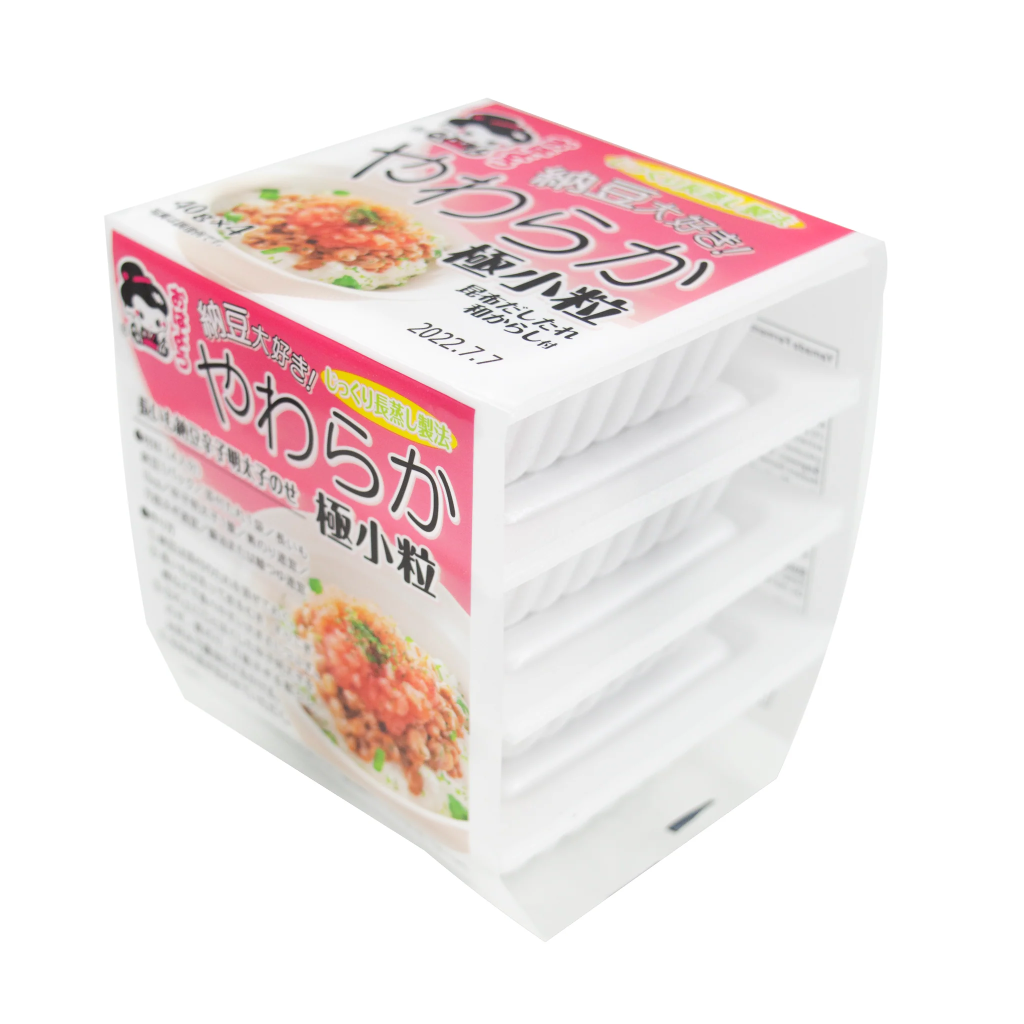
bacillus subtilis natto is the source for a supplement called nattokinase, which dissolves fibrin deposits and also an anti-inflammatory [2021]. It is also available not as a probiotic, but in a Japanese Dessert Food called Natto. Natto is an acquired taste.
Natto: Available in some Japanese groceries stores
My probiotic suggestions would be the following (at sufficient dosage, see this page):
There are a large number of herbs cited above. In keeping with my philosophy of avoiding resistance, take some of herbs for 2 weeks and then change to others herbs for the next two weeks. The question is how to take it? I know that some will claim that tinctures are more effective; IMHO, tinctures are very effective for reducing back accounts!
My personal practice is to take herbs in one of two ways:
Buying them in bulk, organic and making our own 000 capsules. Most store purchased herb capsules do not appear to be organic, often with additional ingredients “to make them better” – which is often marketing hype.
We take them immediately prior to meals so that the stomach acid produced to handle the meal, also dissolves the active ingredients from the herbs.
Taking them as a hot tea. Some herbs are horrible tasting… those tend to end up as capsules.
Many, but not all, herbs have documented dosages with links to studies (which can be informative for how to take). For example: Neem: 120 mg/day, Olive Leaf: 700 mg/day, Curcumin: 3 gm/day. My general rule of thumb is one 000 capsule with each meal.
Questions
Q:Curious to know, do you think there may be an advantage of using this method with probiotics, to deliver past the stomach, farther down the gut?
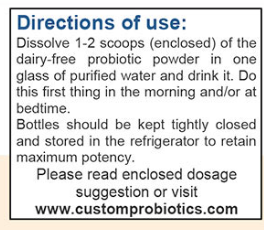
A: I know this common belief, but have not seen any clinical studies demonstrating it. What I have seen is probiotics delivered as a liquid in water, are documented to persist for weeks after a single dose. That is, the specific strain delivered was not detected before but was detected in subsequent weeks. This indicates that this belief is very questionable. Personally, I tend to use single documented strains of probiotics from Custom Probiotics and follow their directions. I do keep food at least a hour away from taking probiotics so stomach acid production will be quiet.
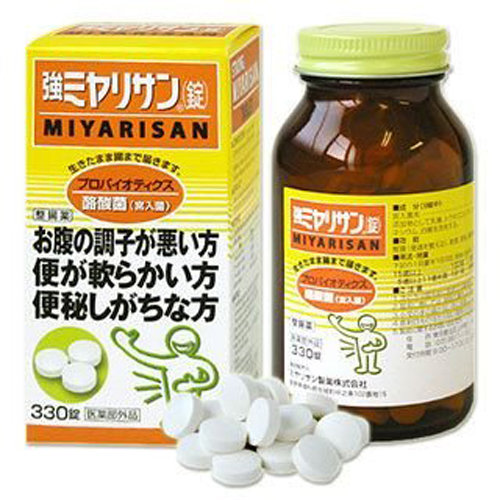
On a related issue, remember that the gut is downstream from the mouth and nasal passages. The source of bad bacteria may be there and may account for repopulation over time. One probiotic that has been shown effective for the nasal passages etc is Symbioflor-1. There are a few hard tablet probiotics out there (for example, Miyarisan — Clostridium butyricum). I have often just put them in my mouth and let them dissolve there.
NOTE: I will be doing a follow up post on The oral microbiome, coming soon!
My uber focus for the last few years has been on the microbiome. The reasons are simple: relatively rich amount of data to work from, detail tests can be done without a Physician’s Order, and treatment can often be done without a prescription.
In no way am I saying that the microbiome is the complete picture. It is simply the easiest to doddle in.
The analogy of a dice is good to get the entire picture. Actually two dice … because often you feel like crap as a result of a roll of the die in the craps game of life.
Some Sides of The Die
The following are the sides that come quickly into mind, they are likely more
SNP/DNA issues. Many conditions have associations with specific DNA mutations.
Infections (Past or Present)
Environment
Minerals
Vitamins
Organic Acid and Other Metabolites
Microbiome
Epigenetics
Chances are that a condition will develop when two (or more) die are rolled with bad values
Worked Example
I am using Chronic Fatigue Syndrome (CFS) / Myalgic Encephalomyelitis (ME) because I am most familar with the existing literature. The same can be done for many other conditions – for example Autism.
Coagulation Issues can be DNA based (i.e. Sticky Blood or Micro-Clots). For example, I have the Prothrombin G20210A mutation which was a direct contributor to my own ME/CFS
Infections (Current or Past)
Side Note: Many cancers are associated with specific virial infections.
A quick copy and paste. For many other conditions, see this page.
📓 Potential role of microbiome in Chronic Fatigue Syndrome/Myalgic Encephalomyelits (CFS/ME). Scientific reports (Sci Rep ) Vol: 11 Issue 1 Pages: 7043 Pub: 2021 Mar 29 Epub: 2021 Mar 29 Authors Lupo GFD , Rocchetti G , Lucini L , Lorusso L , Manara E , Bertelli M , Puglisi E , Capelli E , SummaryHtml ArticlePublication
📓 Gut Microbiota Interventions With <i>Clostridium butyricum</i> and Norfloxacin Modulate Immune Response in Experimental Autoimmune Encephalomyelitis Mice. Frontiers in immunology (Front Immunol ) Vol: 10 Issue Pages: 1662 Pub: 2019 Epub: 2019 Jul 23 Authors Chen H , Ma X , Liu Y , Ma L , Chen Z , Lin X , Si L , Ma X , Chen X , SummaryHtml ArticlePublication
📓 Correction to: Open-label pilot for treatment targeting gut dysbiosis in myalgic encephalomyelitis/chronic fatigue syndrome: neuropsychological symptoms and sex comparisons. Journal of translational medicine (J Transl Med ) Vol: 16 Issue 1 Pages: 39 Pub: 2018 Feb 23 Epub: 2018 Feb 23 Authors Wallis A , Ball M , Butt H , Lewis DP , McKechnie S , Paull P , Jaa-Kwee A , Bruck D , SummaryHtml ArticlePublication
📓 Potential role of dengue virus, chikungunya virus and Zika virus in neurological diseases. Memorias do Instituto Oswaldo Cruz (Mem Inst Oswaldo Cruz ) Vol: 113 Issue 11 Pages: e170538 Pub: 2018 Oct 29 Epub: 2018 Oct 29 Authors Vieira MADCES , Costa CHN , Linhares ADC , Borba AS , Henriques DF , Silva EVPD , Tavares FN , Batista FMA , Guimarães HCL , Martins LC , Monteiro TAF , Cruz ACR , Azevedo RDSDS , Vasconcelos PFDC , SummaryHtml ArticlePublication
📓 Human Gut-Derived Commensal Bacteria Suppress CNS Inflammatory and Demyelinating Disease. Cell reports (Cell Rep ) Vol: 20 Issue 6 Pages: 1269-1277 Pub: 2017 Aug 8 Epub: Authors Mangalam A , Shahi SK , Luckey D , Karau M , Marietta E , Luo N , Choung RS , Ju J , Sompallae R , Gibson-Corley K , Patel R , Rodriguez M , David C , Taneja V , Murray J , SummaryHtml ArticlePublication
📓 Fecal metagenomic profiles in subgroups of patients with myalgic encephalomyelitis/chronic fatigue syndrome. Microbiome (Microbiome ) Vol: 5 Issue 1 Pages: 44 Pub: 2017 Apr 26 Epub: 2017 Apr 26 Authors Nagy-Szakal D , Williams BL , Mishra N , Che X , Lee B , Bateman L , Klimas NG , Komaroff AL , Levine S , Montoya JG , Peterson DL , Ramanan D , Jain K , Eddy ML , Hornig M , Lipkin WI , SummaryHtml ArticlePublication
📓 A Pair of Identical Twins Discordant for Myalgic Encephalomyelitis/Chronic Fatigue Syndrome Differ in Physiological Parameters and Gut Microbiome Composition. The American journal of case reports (Am J Case Rep ) Vol: 17 Issue Pages: 720-729 Pub: 2016 Oct 10 Epub: 2016 Oct 10 Authors Giloteaux L , Hanson MR , Keller BA , SummaryHtml Article
📓 Support for the Microgenderome: Associations in a Human Clinical Population. Scientific reports (Sci Rep ) Vol: 6 Issue Pages: 19171 Pub: 2016 Jan 13 Epub: 2016 Jan 13 Authors Wallis A , Butt H , Ball M , Lewis DP , Bruck D , SummaryHtml ArticlePublication
📓 Chronic fatigue syndrome patients have alterations in their oral microbiome composition and function. PloS one (PLoS One ) Vol: 13 Issue 9 Pages: e0203503 Pub: 2018 Epub: 2018 Sep 11 Authors Wang T , Yu L , Xu C , Pan K , Mo M , Duan M , Zhang Y , Xiong H , SummaryPublicationPublication
📓 Gut-associated lymphoid tissue, gut microbes and susceptibility to experimental autoimmune encephalomyelitis. Beneficial microbes (Benef Microbes ) Vol: 7 Issue 3 Pages: 363-73 Pub: 2016 Jun Epub: 2016 Feb 3 Authors Stanisavljevic S , Lukic J , Momcilovic M , Miljkovic M , Jevtic B , Kojic M , Golic N , Mostarica Stojkovic M , Miljkovic D , SummaryPublicationPublication
📓 Increased d-lactic Acid intestinal bacteria in patients with chronic fatigue syndrome. In vivo (Athens, Greece) (In Vivo ) Vol: 23 Issue 4 Pages: 621-8 Pub: 2009 Jul-Aug Epub: Authors Sheedy JR , Wettenhall RE , Scanlon D , Gooley PR , Lewis DP , McGregor N , Stapleton DI , Butt HL , DE Meirleir KL , Summary
Epigenetics
This is where an event, like stress, causes the behavior of DNA to change. Your DNA is the same, just a “switch” is turned on or off.
My attitude is evidence based action with testable models. If you walk into a physician’s office, it is unlikely that they will be aware with the many sides of the dice. Usually, they want simple “follow the recipe book” cases where what to do is clear.
For myself, I had the luxury of unbelievable, unlimited, medical coverage for a few years. I found some of the DNA issues, and to quote a physician “You are extremely lucky with that mutation, it is very treatable” — I became a piracetam addict when needed. Most people do not have that luxury.
Looking at 8 items above, I ask the same question:
Is it objective measurable?
Can you get the test (willing MD, cost)
Is it treatable?
Do we have actual clinical studies showing treatment is effective?
Is the treatment just symptom relief or remission?
What are the risk of side-effects?
If getting information from a test is not clearly actionable, then it does not help with treatment and not worth the expense. Testing for testing sake is a luxury for the rich.
My Criteria in evaluating new proposed models.
Many people will advocate that just one of these 8 sides of the die needs to be done for a cure. IMHO, if the model does not address most of these factors, it is likely to work for only a few.
For me, the Microbiome model appears the best to use.
Microbiome tests are cheap and do not require a MD to be involved — Objective
We have hundreds of studies showing substances alters the microbiome
Risk of side-effects with non-prescription items is low
Using the free site, Microbiome Prescription, people can get their test results translated into a list of supplements/food/diet to take or avoid based on studies from the US National Library of Medicine.
And it is connected to the other factors above well.
Many of the organic acid and metabolites are produced by the microbiome. Thus correcting the microbiome is likely to resolve this I compute many of these using Kyoto Encyclopedia of Genes and Genomes data.
Vitamins and Mineral absorption is deeply influences by the microbiome too!
If you have DNA information, for example on your methylation, this impacts your microbiome and the reverse. Being tested for DNA SNPs that do not have effective treatment is a waste of money. The individual’s microbiome is greatly influenced by their DNA. They co-exist and co-operate. In some cases, the microbiome bacteria can produce anticoagulants and fibrinolytic which can counter some coagulation issues.
WARNING ON PEOPLE PROPOSING MODELS
Over the last 30 years, I have constantly seen people proposing this model or that model. Usually the model is focusing on a single aspect of one the die sides above. For ME/CFS, it was the search for an occult virus that was the root cause of this condition. This often comes out of a need to reduce to the simple in whatever specialty that the researcher or physician is trained in. The wages of over-specialization in modern medicine. Be wary of any model that does not offer a concrete explanation for all of the laboratory results in the literature. Often models will cherry-pick studies and ignore the majority of other studies, or do vague hand waving.
The cause is almost never just one of the above factors, but typically many.



 CFS Remission